A septic system is one of the most important investments for any property owner. Whether you own a home, commercial building, or rural property, your septic system plays a critical role in managing wastewater safely and efficiently.
But like any major system, septic systems eventually experience wear and tear. When problems arise, homeowners are often faced with a difficult question:
Should you repair your septic system or replace it entirely with a new installation?
The answer depends on several factors, including the age of the system, the extent of the damage, repair costs, and long-term performance expectations.
Choosing the wrong option can lead to repeated repairs, wasted money, and ongoing plumbing problems. On the other hand, making the right decision can save thousands of dollars while improving your property’s functionality and value.
In this guide, we’ll compare septic system repair vs. new installation, explain the costs involved, and help homeowners determine which option makes the most financial sense.
Understanding How Septic Systems Work
Before comparing repair and replacement options, it’s important to understand the basics of how a septic system functions.
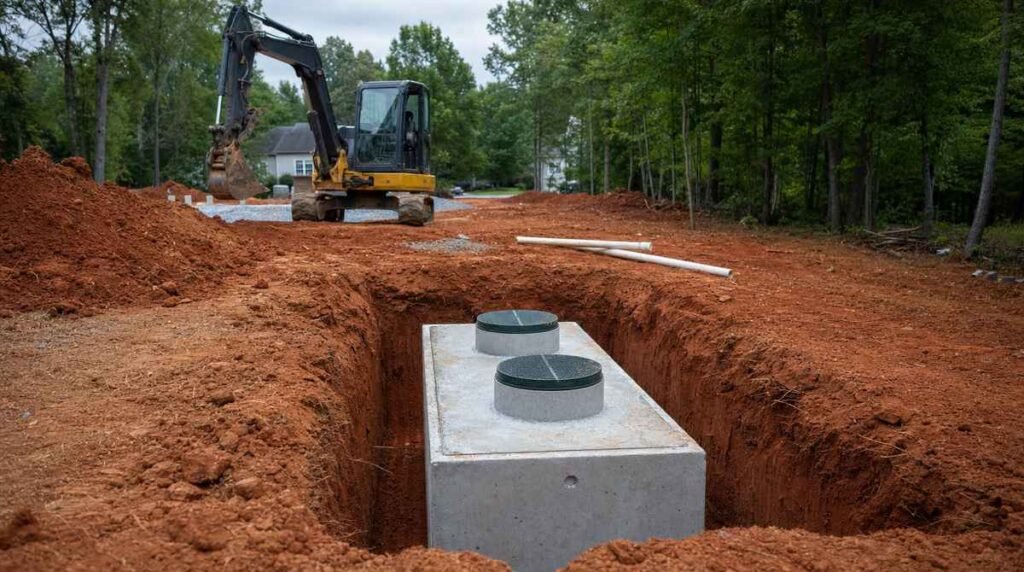
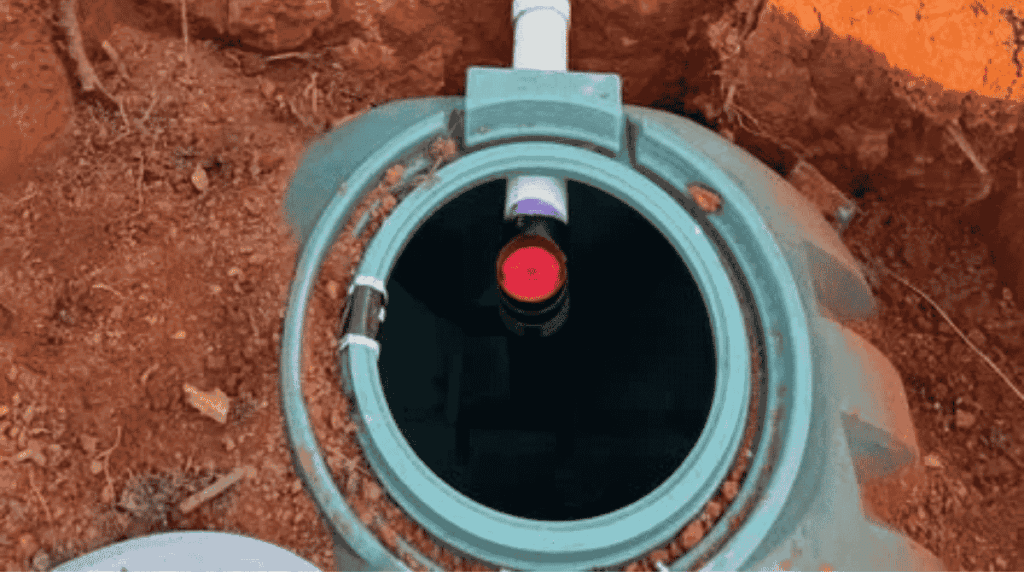
A standard septic system includes:
- Septic tank
- Inlet and outlet pipes
- Drain field (leach field)
- Soil filtration area
Wastewater from the home enters the septic tank, where solids settle and liquids move into the drain field for natural filtration.
Over time, components can wear out, clog, crack, or fail due to age, neglect, environmental conditions, or excessive use.
Common Septic System Problems
Septic issues can range from minor repairs to complete system failure.
Common Problems Include:
- Slow drains
- Sewage backups
- Broken pipes
- Cracked septic tanks
- Drain field saturation
- Tree root intrusion
- Foul odors
- Standing water in the yard
- Soil contamination
Some issues can be repaired affordably, while others may require full replacement.
When Septic Repairs Make Sense
In many cases, repairing a septic system is the most cost-effective solution — especially when problems are detected early.
Situations Where Repair Is Usually the Better Option
1. Minor Pipe Damage
Small cracks, loose fittings, or localized pipe blockages are often repairable without replacing the entire system.
2. A Full Septic Tank
Sometimes the issue is simply overdue maintenance. Pumping the tank may restore proper function quickly and affordably.
3. Isolated Drain Field Problems
If only a small portion of the drain field is affected, partial repairs may solve the issue.
4. Damaged Baffles or Filters
Baffles and filters help wastewater flow properly through the tank. Replacing these components is generally inexpensive compared to full installation.
5. Relatively New Systems
If your septic system is less than 10–15 years old, repairs often provide excellent long-term value.
Newer systems usually have plenty of remaining lifespan after targeted repairs.
Advantages of Septic Repairs
Lower Immediate Cost
Repairs are typically much less expensive upfront than full septic installation.
Faster Completion Time
Many repairs can be completed in one day with minimal property disruption.
Less Excavation
Repairing specific components may avoid major digging and landscaping damage.
Extended System Lifespan
Addressing small problems early can add years to the life of the existing system.
When Septic System Replacement Is the Better Investment
While repairs can save money in some situations, there are times when replacing the entire system is more financially responsible in the long run.
Signs You May Need a New Septic System
1. Frequent Repairs
If you constantly pay for septic service, temporary fixes may become more expensive than replacement.
Repeated repairs can quickly add up over time.
2. Aging Septic System
Most septic systems last around 20 to 40 years depending on maintenance and usage.
Older systems are more likely to experience:
- Cracked tanks
- Collapsing pipes
- Drain field failure
- Reduced efficiency
At a certain point, replacement becomes the more reliable option.
3. Drain Field Failure
Drain field problems are among the most serious septic issues.
Signs of drain field failure include:
- Standing water
- Sewage odors
- Wet soil
- Sewage surfacing in the yard
A failed drain field may require extensive replacement work.
4. Major Structural Damage
Cracked or collapsing septic tanks often require full replacement, especially if the damage affects system integrity.
5. Property Expansion or Increased Usage
If your household size has increased or you’ve added:
- Bedrooms
- Bathrooms
- Guest houses
- Commercial facilities
your current septic system may no longer meet capacity requirements.
A new installation may be necessary to handle higher wastewater demand.
Advantages of New Septic Installation
Long-Term Reliability
A new septic system offers dependable performance for decades with proper maintenance.
Reduced Future Repair Costs
New systems typically require fewer repairs and lower maintenance expenses during the early years.
Improved Efficiency
Modern septic systems are often more environmentally friendly and efficient than older models.
Increased Property Value
A newly installed septic system can improve resale value and reassure future buyers.
Better Compliance With Local Regulations
Older septic systems may not meet current environmental or building codes.
New installations are designed to comply with updated regulations.
Comparing the Costs: Repair vs. Replacement
The cost difference between repair and replacement is one of the biggest factors homeowners consider.
However, focusing only on immediate costs can sometimes lead to poor long-term decisions.
Short-Term Costs
Septic Repairs
Repairs are usually less expensive upfront because only specific components are addressed.
Common repair costs may include:
- Pipe replacement
- Tank pumping
- Filter replacement
- Minor excavation
- Drain cleaning
New Installation
A complete septic installation involves:
- Excavation
- Tank installation
- Drain field construction
- Soil testing
- Permits
- New piping
Initial installation costs are significantly higher.
Long-Term Costs
While repairs may cost less initially, repeated service calls can eventually exceed the cost of replacement.
A homeowner who spends money on frequent repairs every year may ultimately pay far more than the cost of installing a new system.
The “Repair vs. Replace” Rule
A common rule many septic professionals use is:
If repair costs approach 50% of replacement cost, replacement is often the smarter investment.
This is especially true for older systems nearing the end of their expected lifespan.
Environmental Considerations
A failing septic system can create serious environmental hazards.
Potential risks include:
- Groundwater contamination
- Soil pollution
- Nearby well contamination
- Health hazards from sewage exposure
Modern septic installations are typically more environmentally safe and efficient than outdated systems.
Questions Homeowners Should Ask Before Deciding
Before choosing repair or replacement, homeowners should consider:
How old is the current system?
Older systems may not justify major repairs.
How often has the system required service?
Frequent breakdowns usually indicate deeper problems.
What is the condition of the drain field?
Drain field replacement can significantly affect overall costs.
Will repairs solve the root problem?
Temporary fixes may not address underlying structural damage.
How long do you plan to stay in the home?
If you plan to sell soon, a new system may improve property value and buyer confidence.
Importance of Professional Septic Inspections
A professional septic inspection is essential before making any major decision.
A septic expert can evaluate:
- Tank condition
- Pipe integrity
- Drain field health
- Soil saturation
- Overall system lifespan
This assessment helps determine whether repair or replacement makes better financial sense.
Tips for Extending Septic System Life
Whether you repair or replace your system, proper maintenance is critical.
Pump the Tank Regularly
Most septic tanks should be pumped every 3–5 years.
Conserve Water
Excessive water use overloads the system.
Avoid Flushing Harmful Materials
Never flush:
- Wipes
- Grease
- Chemicals
- Feminine products
- Paper towels
Protect the Drain Field
Avoid:
- Parking heavy vehicles
- Building structures
- Planting trees near the system
Schedule Routine Inspections
Regular inspections help detect small issues before they become major expenses.
Repair or Replacement: Which Saves More Money?
The answer depends on your specific situation.
Repairs Usually Save More Money When:
- The system is relatively new
- Damage is minor
- Repairs are infrequent
- The drain field remains healthy
Replacement Often Saves More Money When:
- The system is old
- Repairs are becoming frequent
- Drain field failure exists
- Structural damage is severe
- Repair costs continue increasing
While a new installation requires a larger upfront investment, it may provide better long-term value, reliability, and peace of mind.
Final Thoughts
Deciding between septic system repair and full installation is a major financial decision for any homeowner. While repairs can often solve smaller problems affordably, there comes a point where replacement becomes the smarter long-term investment.
The key is acting early. Ignoring warning signs or delaying maintenance can turn minor septic issues into costly emergencies.
A professional septic inspection is the best way to determine the true condition of your system and evaluate your options. With the right guidance, homeowners can make informed decisions that protect both their property and their budget.
Whether your system needs a simple repair or a complete replacement, investing in proper septic care today can save significant money and stress in the future.