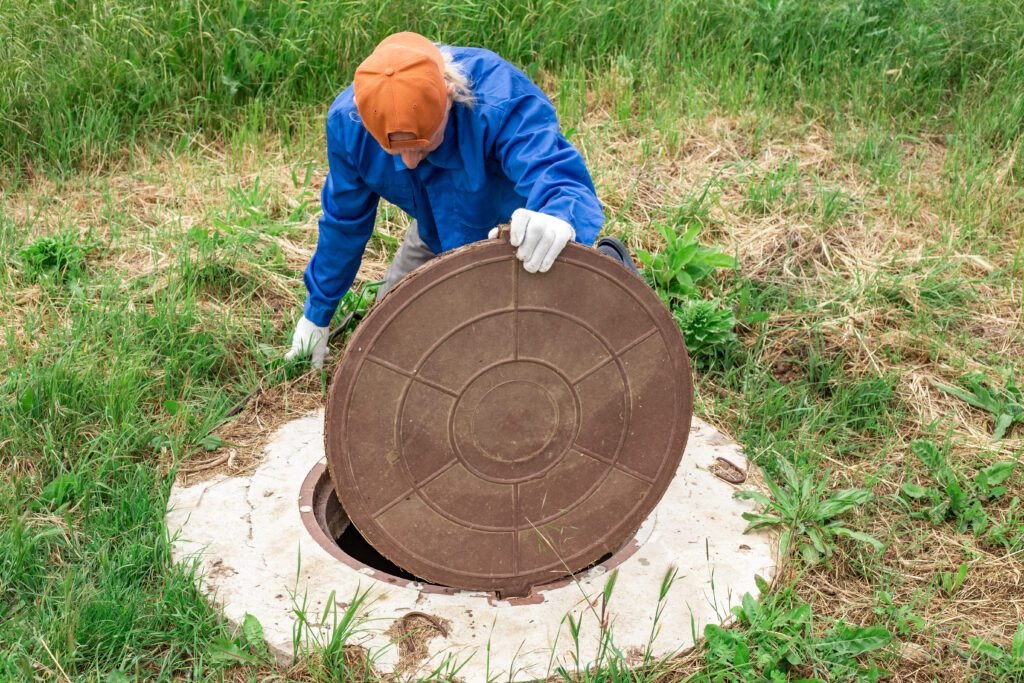
A properly functioning septic system is one of the most important parts of any home or commercial property. Most homeowners rarely think about their septic tank until something goes wrong — and by then, the repairs can become expensive, stressful, and disruptive.
Your septic system works quietly underground every day, handling wastewater from your sinks, toilets, showers, washing machines, and drains. But like any hardworking system, it requires regular maintenance and prompt attention when warning signs appear.
Ignoring early septic problems can lead to sewage backups, contaminated groundwater, foul odors, property damage, and costly system replacements. The good news is that your septic system usually gives several warning signs before a major failure occurs.
In this guide, we’ll cover the seven most common warning signs your septic tank needs immediate service and explain what you should do before the problem becomes worse.
Why Septic System Maintenance Matters
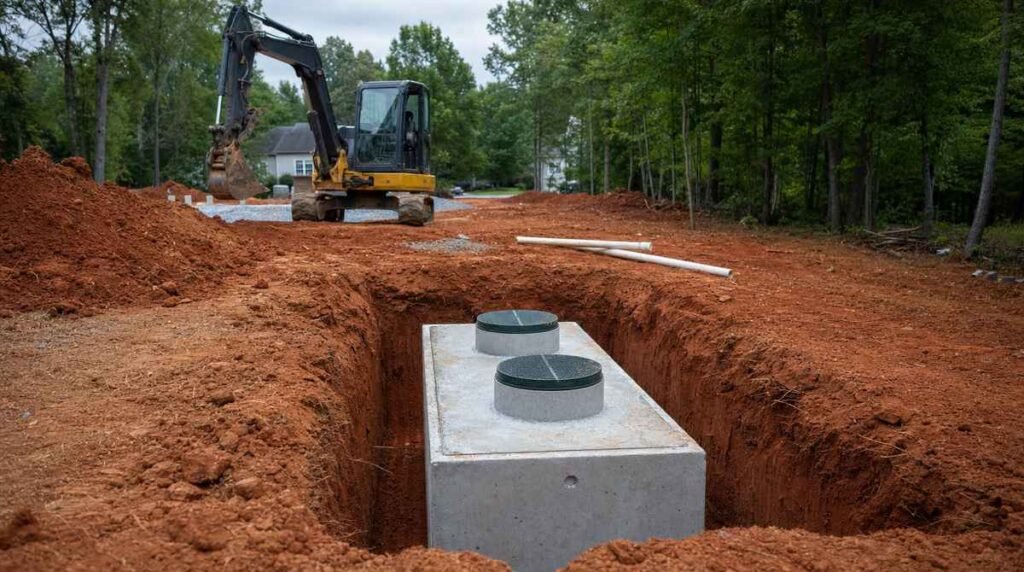
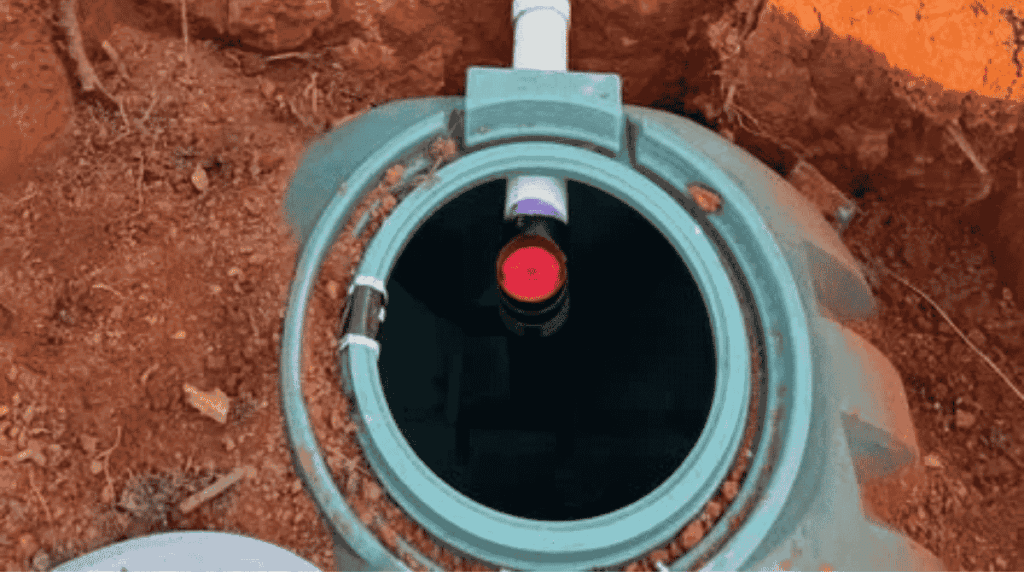
A septic system is designed to safely process and dispose of wastewater from your property. When functioning correctly, solids settle inside the septic tank while liquid wastewater flows into the drain field for natural filtration.
Over time, however, sludge and waste accumulate inside the tank. Tree roots, excessive water use, grease buildup, or damaged pipes can also create serious issues.
Routine septic inspections and pumping help prevent:
- Sewage backups
- Drain field failure
- Bad odors
- Pipe damage
- Expensive repairs
- Environmental contamination
Knowing the early warning signs can save thousands of dollars in future repairs.
1. Slow Drains Throughout the House
One of the earliest signs of septic trouble is slow drainage in multiple fixtures around your home.
You may notice:
- Sinks draining slowly
- Bathtubs taking longer to empty
- Toilets flushing sluggishly
- Water backing up in showers
While a single slow drain may indicate a local clog, multiple slow drains often point to a septic system issue.
What Causes Slow Drains?
Several septic-related problems can cause slow drainage:
- A full septic tank
- Pipe blockages
- Excessive sludge buildup
- Drain field saturation
- Tree root intrusion
If plunging or drain cleaners do not solve the issue, it’s important to schedule a professional septic inspection immediately.
Why You Shouldn’t Ignore It
Slow drains can quickly progress into full sewage backups, which can damage flooring, walls, plumbing systems, and personal belongings.
Prompt service can often prevent a much larger repair bill.
2. Sewage Backups Inside the Home
A sewage backup is one of the most serious signs your septic tank needs immediate attention.
Common signs include:
- Toilets overflowing unexpectedly
- Wastewater backing up into tubs or sinks
- Gurgling sounds in plumbing fixtures
- Sewage appearing in basement drains
This problem typically indicates your septic tank is completely full or there is a major blockage somewhere in the system.
Health Risks of Sewage Backups
Raw sewage contains harmful bacteria, viruses, and contaminants that can pose serious health risks to your family.
Exposure may cause:
- Respiratory problems
- Skin irritation
- Gastrointestinal illness
- Mold growth inside the home
Professional cleanup and septic repair are essential to safely restore your property.
Immediate Steps to Take
If you experience a sewage backup:
- Stop using water immediately
- Avoid contact with sewage
- Keep children and pets away
- Call a septic professional as soon as possible
The sooner the issue is addressed, the less damage your property will sustain.
3. Foul Odors Around Your Property
Your septic system should never produce strong odors around your home or yard.
Persistent smells such as:
- Rotten eggs
- Sulfur odors
- Sewage smells
- Musty wastewater odors
often indicate a septic problem.
Where Odors Commonly Appear
You may notice odors:
- Near the septic tank
- Around the drain field
- Inside bathrooms
- Near basement drains
- Outside near standing water
What Causes Septic Odors?
Common causes include:
- An overfilled septic tank
- Cracked pipes
- Venting issues
- Drain field failure
- Sewage leaks
Odors are often an early warning sign that wastewater is not being processed correctly.
Why Immediate Service Matters
Ignoring septic odors can allow hidden leaks and contamination to worsen underground. Fast service helps prevent environmental hazards and more extensive repairs.
4. Pooling Water or Soggy Areas in the Yard
If you notice wet patches or standing water near your septic tank or drain field, your system may be failing.
This issue often appears even during dry weather conditions.
Signs to Watch For
- Soggy grass
- Muddy areas
- Standing water
- Unusually green patches of lawn
- Soft ground around the septic area
What Causes Yard Saturation?
Pooling water usually means wastewater is not draining properly underground.
Possible causes include:
- A full septic tank
- Drain field overload
- Broken pipes
- Soil saturation
- Drain field failure
When untreated wastewater rises to the surface, it can create serious environmental and health concerns.
Environmental Risks
A leaking septic system can contaminate:
- Groundwater
- Nearby wells
- Streams and ponds
- Soil around your property
Immediate professional service is necessary to prevent further contamination.
5. Unusually Green or Fast-Growing Grass
While healthy grass is normally a good thing, overly lush grass near your septic system may actually signal trouble.
Why This Happens
Wastewater leaking from the septic system acts like fertilizer for your lawn. The excess nutrients cause grass to grow faster and appear greener than surrounding areas.
What It Means
Bright green patches near the drain field may indicate:
- A leaking septic tank
- Drain field problems
- Underground pipe damage
- Wastewater seepage
This issue often develops gradually and may be easy to overlook at first.
Don’t Ignore Lawn Changes
Although greener grass may seem harmless, it often points to hidden septic leaks that can worsen over time and eventually damage your entire system.
6. Gurgling Sounds in Plumbing Fixtures
Strange noises coming from your plumbing system are another common septic warning sign.
You may hear:
- Bubbling toilets
- Gurgling sinks
- Noisy drains after flushing
- Air sounds in pipes
Why Gurgling Happens
Gurgling typically occurs when trapped air cannot move properly through the plumbing system due to a blockage or septic issue.
Common causes include:
- Full septic tank
- Blocked pipes
- Drain field problems
- Vent stack issues
Early Detection Can Save Money
Many homeowners ignore plumbing noises until major backups occur. Catching the issue early may allow for a simple repair or septic pumping instead of a full system replacement.
7. It Has Been Years Since Your Last Septic Pumping
One of the biggest causes of septic failure is simply neglecting routine maintenance.
Many homeowners forget when their tank was last serviced — or may not know it needs regular pumping at all.
How Often Should a Septic Tank Be Pumped?
Most septic tanks should be pumped every:
- 3 to 5 years for average households
- More frequently for larger families
- Sooner if water usage is high
Factors affecting pumping frequency include:
- Household size
- Tank size
- Water usage habits
- Garbage disposal use
- Laundry frequency
What Happens If You Skip Pumping?
Without regular pumping:
- Sludge builds up inside the tank
- Solids enter the drain field
- Pipes become blocked
- System efficiency declines
- Full drain field replacement may become necessary
Routine maintenance is far less expensive than replacing a failed septic system.
How to Prevent Septic System Problems
Preventative care can dramatically extend the lifespan of your septic system.
Best Septic Maintenance Tips
Conserve Water
Excessive water use overloads the system.
Avoid Flushing Harmful Materials
Never flush:
- Grease
- Wipes
- Feminine products
- Chemicals
- Paper towels
Schedule Regular Pumping
Routine maintenance prevents sludge buildup.
Protect the Drain Field
Avoid parking vehicles or placing heavy structures over the drain field.
Watch for Tree Roots
Roots can damage underground pipes and tanks.
Get Routine Inspections
Professional inspections catch small problems before they become expensive emergencies.
When to Call a Septic Professional
You should contact a septic expert immediately if you notice:
- Sewage backups
- Standing water
- Persistent odors
- Slow drains throughout the house
- Gurgling plumbing
- Wet drain fields
- Sudden lawn changes
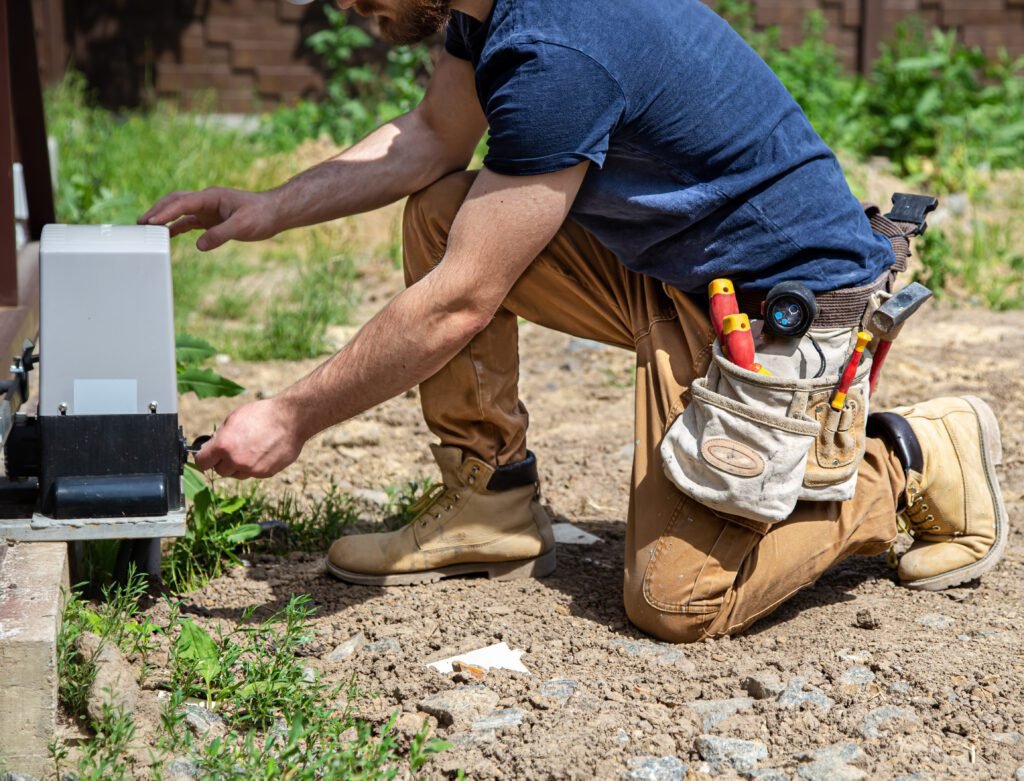
Professional technicians can inspect the system, identify the root cause, and recommend the most effective solution.
Final Thoughts
Your septic system plays a critical role in protecting your home, property, and health. Recognizing the warning signs of septic trouble early can help you avoid costly repairs, property damage, and system failure.
From slow drains and sewage backups to foul odors and soggy yards, these warning signs should never be ignored. Routine maintenance, inspections, and timely repairs are the best ways to keep your septic system operating efficiently for years to come.
If you’ve noticed any of these symptoms, don’t wait for the problem to worsen. Scheduling professional septic service now can save you significant time, stress, and money in the future.