If you own property in Denver, NC — whether a new build on the shores of Lake Norman or an older home ready for a system upgrade — one of the most important investments you’ll make is your septic system. Unlike properties connected to municipal sewer lines, homes in Denver rely on private, on-site wastewater treatment systems that must be properly designed, permitted, and installed to protect your family’s health and the environment.
This guide walks you through everything you need to know about septic installation in Denver, NC — from local permitting and soil testing to system types, timelines, and long-term maintenance — so you can move forward with confidence.
Why Denver, NC Properties Often Require Septic Systems
Denver is a fast-growing community in Lincoln County, nestled along the western shore of Lake Norman. Because large portions of the area are rural or semi-rural, many homes and new developments are simply too far from municipal sewer infrastructure to connect to it. That makes private septic systems the standard — and the right — solution for wastewater management.
Beyond necessity, a properly installed septic system adds real value to your property. It gives you control over your own wastewater treatment without ongoing sewer utility fees, and when maintained correctly, a quality system can last 25 to 40 years or more.
Step 1: Soil Evaluation and Site Assessment
Before a single permit is filed, your property needs a soil evaluation. In North Carolina, this is handled by a licensed soil scientist or sanitarian who assesses whether your land can support a conventional or alternative septic system.
They’ll look at:
- Soil type and texture — sandy soils drain quickly; clay-heavy soils drain slowly and may require an engineered system
- Seasonal high water table — the depth at which the water table rises during wet months, which directly affects drain field placement
- Available lot space — room for both the primary drain field and a required repair area
- Topography and slope — steep grades can require specialized pumping systems
If the soil evaluation comes back favorable, Lincoln County Environmental Health will issue an Improvement Permit, which authorizes the design and installation of a septic system for a specific number of bedrooms.
At Pro Site & Septic, we offer Free Pre-Job Surveys to assess your Denver property before any work begins — helping you understand your options and set realistic expectations before spending a dime.
Step 2: Permits and Compliance in Lincoln County
Septic installation in Denver, NC is regulated at the county level through Lincoln County Environmental Health. You’ll need two key permits:
- Improvement Permit — issued after the soil evaluation, authorizing system design for a specific structure and bedroom count
- Authorization to Construct — the actual permit to build, issued after a system design is submitted and approved
North Carolina also requires all septic work to be performed by a licensed on-site wastewater contractor. Hiring an unlicensed contractor can result in failed inspections, fines, and the costly removal of an improperly installed system.
Pro Site & Septic is fully licensed, bonded, and insured, and our team is well-versed in Lincoln County’s permitting process. We handle the coordination so that your project moves efficiently from approval to completion.
Step 3: Choosing the Right Septic System for Your Denver Property
Not all septic systems are the same. The type of system installed on your Denver, NC property depends on your soil evaluation results, lot size, household size, and local code requirements.
Conventional Gravity Systems
The most common and cost-effective type. Wastewater flows by gravity from the house through the septic tank and into a drain field (also called a leach field), where it is naturally filtered through the soil. Ideal for properties with favorable soil conditions and adequate flat space.
Pump-Assisted Systems
If your drain field sits at a higher elevation than your septic tank, or if gravity flow isn’t sufficient, a pump is added to move effluent to the drain field. These systems require electricity and periodic pump maintenance.
Low-Pressure Pipe (LPP) Systems
Used when soils have moderate limitations. Effluent is distributed through a network of small-diameter pipes under low pressure to ensure even distribution across the drain field.
Drip Irrigation Systems
An alternative system that delivers treated effluent in very small doses through subsurface drip lines. Often used on challenging soils or tighter lots. More expensive upfront but highly effective.
Mound Systems
When the seasonal water table is high or soils drain poorly, a mound system elevates the drain field above natural grade using imported sand fill. Common in low-lying areas near Lake Norman.
Our team will recommend the most appropriate system for your specific site conditions and help you understand the cost and maintenance implications of each option.
Step 4: The Installation Process
Once permits are approved and the system design is finalized, installation can begin. Here’s what a typical project looks like:
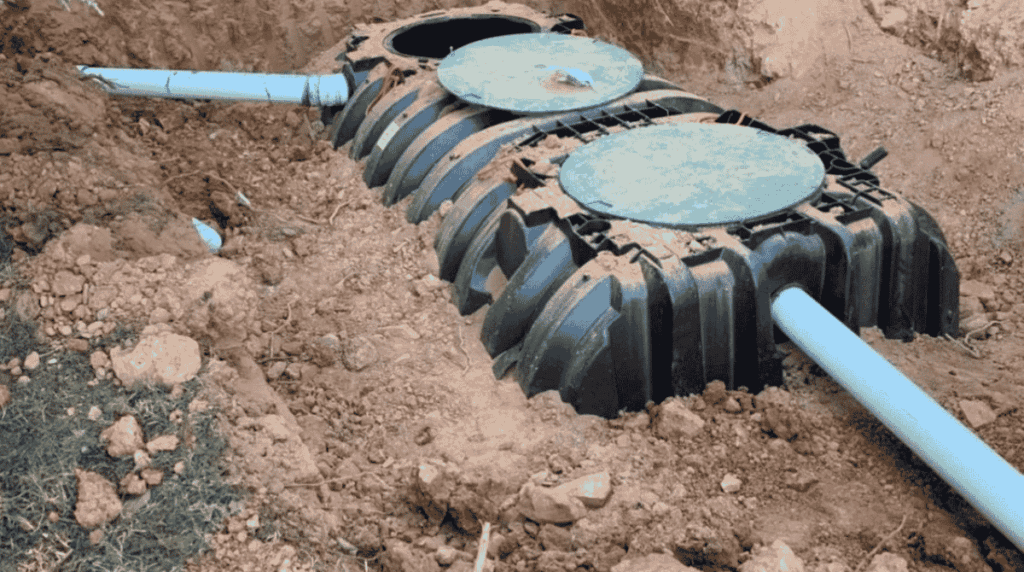
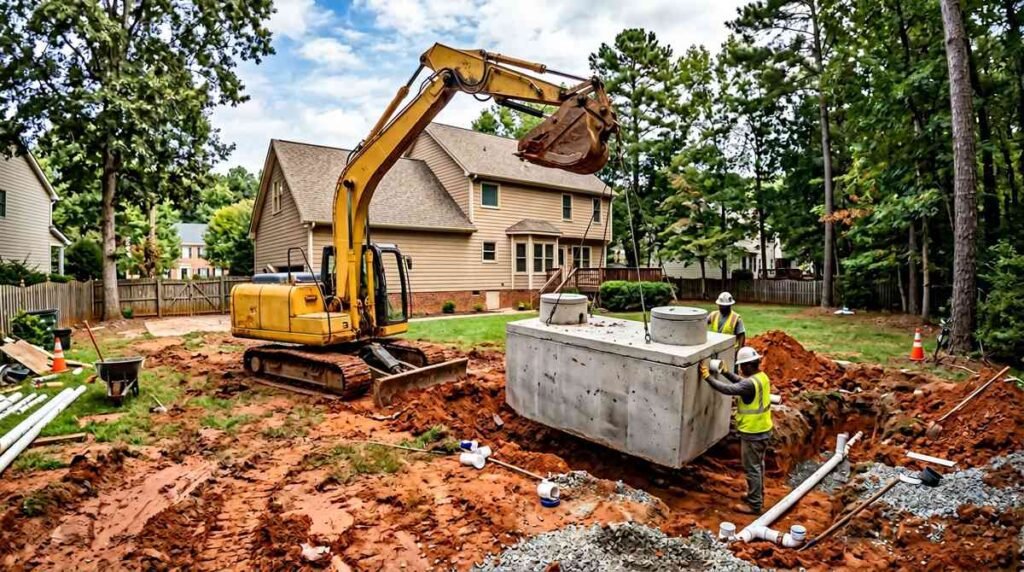
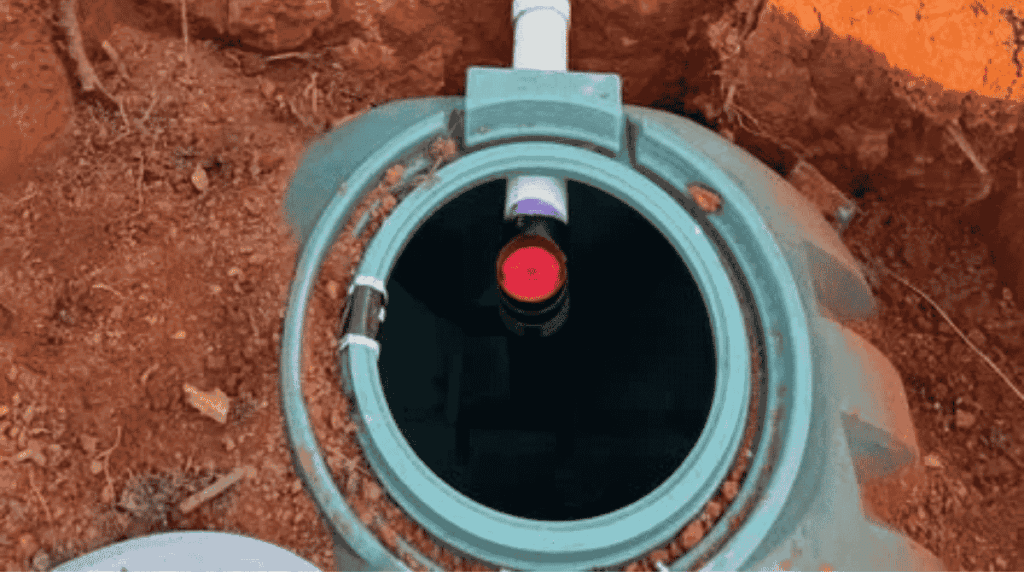
Day 1–2: Excavation and Tank Placement Heavy equipment is used to excavate the tank location and trench the drain field area. The septic tank — typically concrete or fiberglass, ranging from 1,000 to 1,500 gallons for most residential homes — is set in place and connected to the home’s plumbing.
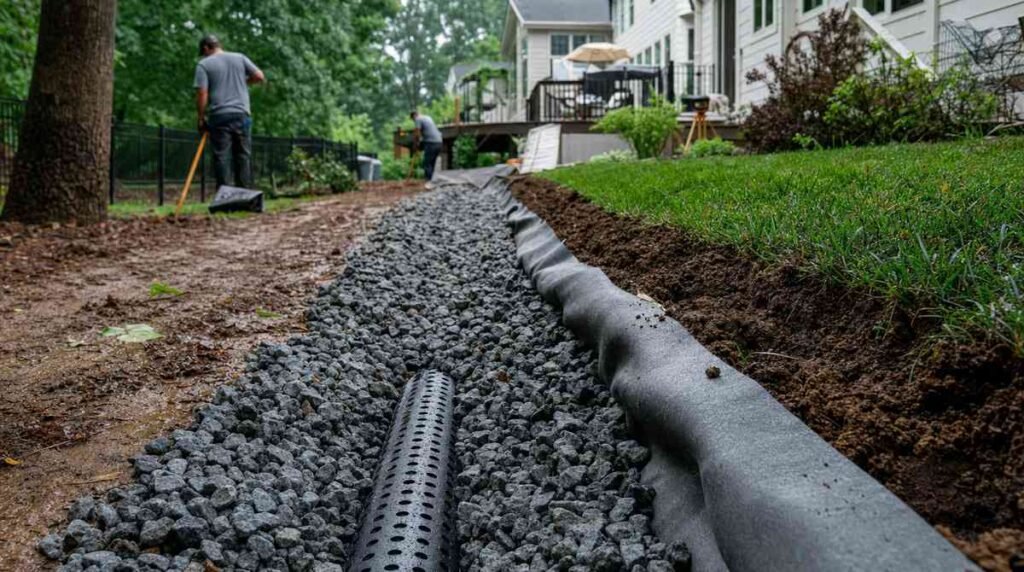
Day 2–3: Drain Field Installation The drain field trenches are prepared and filled with gravel and perforated pipe (or the appropriate alternative media for your system type). Distribution boxes or manifolds are installed to evenly spread effluent across the field.
Day 3–4: Backfill, Grading, and Inspection Once the system components are in place, trenches are backfilled and the site is graded to promote proper drainage and prevent surface water from pooling over the system. A Lincoln County inspector visits the site for final approval before the system is placed in service.
Standard installations in Denver typically take 2 to 4 days depending on soil conditions, system complexity, and weather. Engineered systems may take a day or two longer.
For properties that need surface drainage correction around the new system, our Septic Site Grading and Property Grading services ensure water moves away from your drain field and foundation properly.
Step 5: Inspections and Long-Term Maintenance
Installation is just the beginning. To protect your investment — and the Lincoln County environment — proper maintenance is essential.
Schedule Regular Pump-Outs
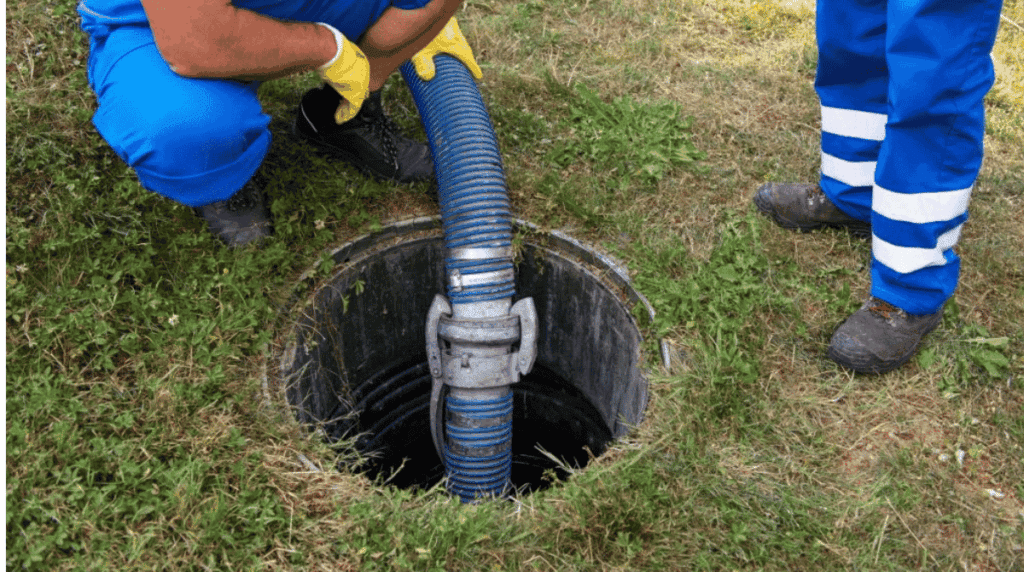
Most septic tanks need to be pumped every 3 to 5 years. Households with garbage disposals, large families, or high water usage may need service more frequently. Our Pump Out Services keep your system running smoothly and prevent costly backups.
Watch for Warning Signs
Don’t wait for a failure before calling a professional. Common signs that your system needs attention include:
- Slow drains throughout the house
- Gurgling sounds in pipes
- Foul odors near the tank or drain field
- Standing water or unusually lush green grass over the drain field
- Sewage backups inside the home
If you notice any of these, contact us for Inspections & Diagnostics right away. Early detection saves thousands in repair costs.
Septic Repairs in Denver
If your existing system is struggling, our Septic Repairs team can diagnose and fix issues including broken distribution boxes, clogged drain fields, cracked tanks, and failing pump components. In many cases, a targeted repair can extend the life of your system by years.
Drainage Solutions That Protect Your System
Denver’s clay-heavy soils and proximity to Lake Norman mean water management is critical. Poor surface drainage can saturate your drain field and cause premature failure. Our French Drains and Driveway Drainage services redirect surface water away from your septic system and home, keeping everything functioning as designed.
What Does Septic Installation Cost in Denver, NC?
Installation costs vary significantly based on system type, lot conditions, and household size. Here’s a general range:
- Conventional gravity system: $8,000 – $15,000
- Pump-assisted system: $10,000 – $18,000
- Alternative/engineered system (mound, LPP, drip): $15,000 – $30,000+
These figures include tank, drain field, labor, and typical permit fees. Soil conditions in Denver can influence cost — areas with high clay content or elevated water tables near the lake often require engineered systems.
Pro Site & Septic provides transparent, upfront quotes with no hidden fees. Schedule your Free Pre-Job Survey to get an accurate estimate for your specific property.
Serving Denver, NC and All of Lincoln County
Pro Site & Septic proudly serves homeowners and builders throughout Denver, NC and the surrounding Greater Charlotte Metro. Whether you’re installing a new system on a lakefront lot, replacing a failing system on an older property, or managing drainage after a new build, our licensed team has the equipment and expertise to get the job done right.
We’re also just a short drive from neighboring communities including Lincolnton, NC, Huntersville, NC, Mount Holly, NC, and Stanley, NC.
Call us today at (980) 888-2378 or schedule your free survey online to get started.
Frequently Asked Questions: Septic Installation in Denver, NC
Q: Do I need a permit to install a septic system in Denver, NC?
Yes. All septic system installations in Denver, NC require an Improvement Permit and an Authorization to Construct from Lincoln County Environmental Health. Work must be performed by a licensed on-site wastewater contractor. Pro Site & Septic handles all permitting coordination on your behalf.
Q: How long does a septic installation take in Denver?
Most standard gravity system installations take 2 to 4 days from excavation to final inspection. Engineered systems — such as mound or drip systems — may take slightly longer depending on the complexity of the design and site conditions.
Q: How do I know what type of septic system my property needs?
Your property will need a soil evaluation by a licensed soil scientist or sanitarian. Based on the results, Lincoln County will determine the appropriate system type. Our team can walk you through the process and help you understand your options during a free pre-job survey.
Q: Can a septic system be installed near Lake Norman?
Yes, but properties near Lake Norman require extra care due to the proximity of surface water and often higher seasonal water tables. Engineered systems like mound or drip systems are common in these areas. We’re experienced with lake-adjacent installations in the Denver area and ensure full environmental compliance.
Q: How often does a new septic system need to be pumped?
For most households in Denver, we recommend pumping every 3 to 5 years. Homes with larger families or garbage disposals may need service every 2 to 3 years. Our Pump Out Services are available 7 days a week.
Q: What happens if my new septic system fails inspection?
If a system fails final inspection, corrections must be made before the system can be placed in service. Working with a licensed contractor like Pro Site & Septic significantly reduces the risk of failed inspections because our work is designed and executed to meet Lincoln County and NC state code requirements from the start.
Q: Does Pro Site & Septic handle both installation and future maintenance in Denver?
Absolutely. We offer full-service septic care including installation, pump-outs, inspections, repairs, and drainage solutions. Many of our Denver-area clients trust us for the life of their system — from the day of installation through routine maintenance and any repairs that arise over the years.