For many homeowners, the septic system is one of the most overlooked parts of the property — until something goes wrong. Unlike city sewer systems, a septic tank requires regular maintenance to function properly. One of the most important parts of that maintenance is routine septic tank pumping.
Unfortunately, many homeowners are unsure how often their septic tank should be pumped. Some wait until there’s a backup or foul odor before taking action, which can lead to expensive repairs and even complete system failure.
The good news is that proper septic maintenance is simple when you understand the basics. Regular pumping helps your septic system work efficiently, prevents major plumbing issues, and extends the life of the entire system.
In this complete homeowner’s guide, we’ll explain how septic tanks work, how often they should be pumped, warning signs of a full tank, and the best ways to keep your septic system in excellent condition.
What Does a Septic Tank Do?
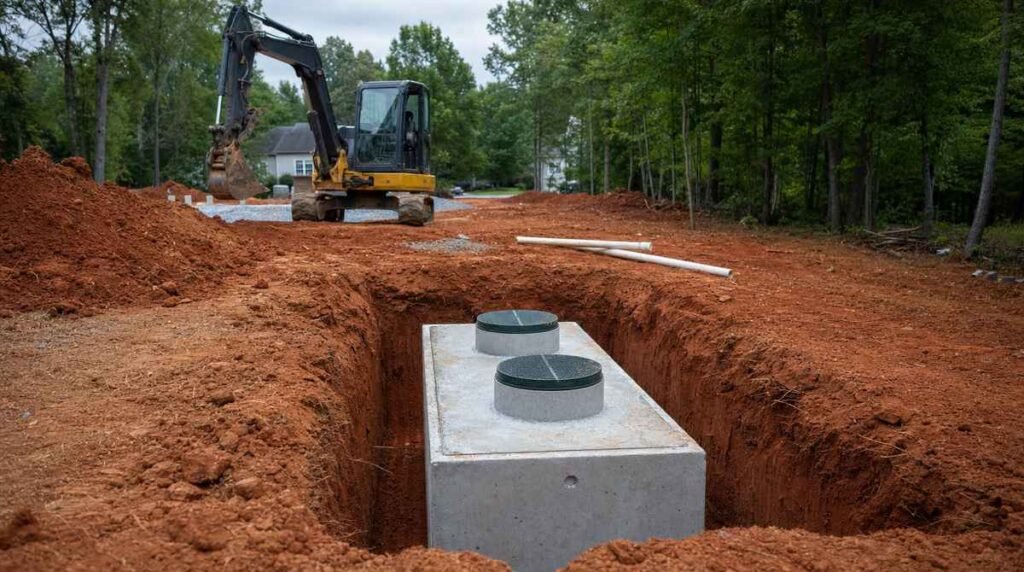
A septic system is an underground wastewater treatment system commonly used in homes that are not connected to municipal sewer lines.
Every time you use:
- Toilets
- Sinks
- Showers
- Washing machines
- Dishwashers
wastewater flows into the septic tank.
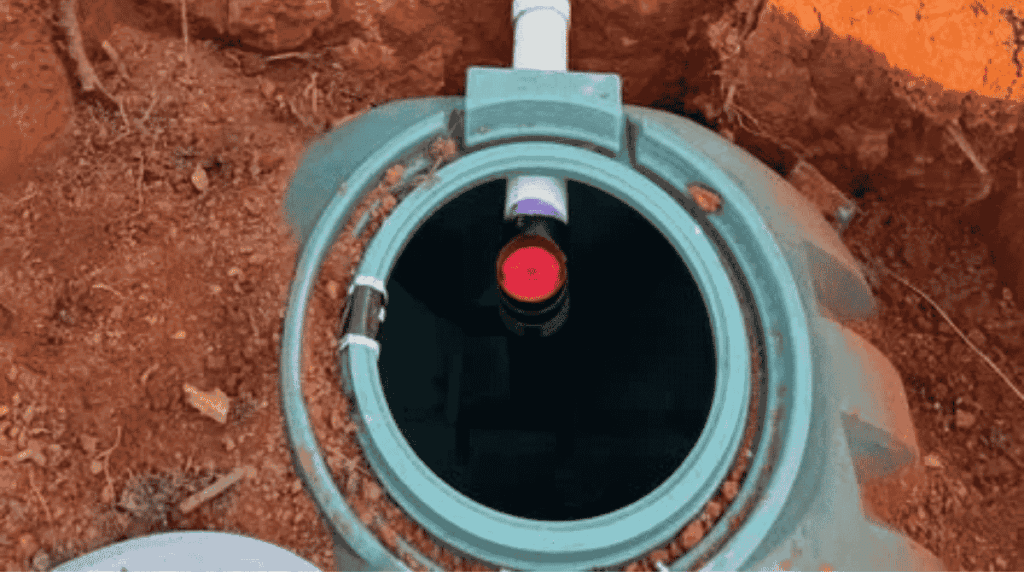
Inside the tank, the wastewater separates into three layers:
- Scum Layer – Oils, grease, and lightweight materials float to the top.
- Effluent Layer – Liquid wastewater remains in the middle.
- Sludge Layer – Heavy solids settle at the bottom.
The liquid wastewater then flows into the drain field, where it is naturally filtered through the soil.
Over time, the sludge and scum layers continue to grow. If they are not removed through pumping, they can overflow into the drain field and cause serious damage.
Why Septic Tank Pumping Is Important
Routine septic pumping is essential for preventing costly problems and maintaining a healthy system.
Benefits of Regular Septic Pumping
Prevents Sewage Backups
A full septic tank can force wastewater back into your home through sinks, tubs, and toilets.
Extends System Lifespan
Proper maintenance can help a septic system last 20 to 40 years or longer.
Protects the Drain Field
Excess solids entering the drain field can clog the soil and lead to failure.
Saves Money
Routine pumping costs far less than repairing or replacing a failed septic system.
Protects the Environment
A neglected septic system can contaminate groundwater, nearby wells, and surrounding soil.
How Often Should You Pump Your Septic Tank?
In general, most septic tanks should be pumped every 3 to 5 years.
However, the exact schedule depends on several important factors.
Factors That Affect Septic Pumping Frequency
1. Household Size
The more people living in your home, the more wastewater your septic system must process.
General Guidelines:
- 1–2 people: every 5 years
- 3–4 people: every 3–4 years
- 5+ people: every 2–3 years
Larger households create more solid waste, causing sludge to accumulate faster.
2. Septic Tank Size
Larger septic tanks can hold more waste before requiring pumping.
For example:
- A 1,000-gallon tank fills faster than a 1,500-gallon tank
- Smaller tanks require more frequent maintenance
A professional inspection can help determine your tank size and ideal pumping schedule.
3. Water Usage Habits
High water usage can overload your septic system and increase pumping needs.
Activities that increase septic strain include:
- Frequent laundry loads
- Long showers
- Running multiple appliances at once
- Excessive dishwasher use
Reducing water usage can help extend the time between pumpings.
4. Garbage Disposal Usage
Garbage disposals add extra food waste and solids to the septic tank.
Common food waste problems include:
- Grease buildup
- Slow decomposition
- Increased sludge accumulation
Homes using garbage disposals often need more frequent septic pumping.
5. Type of Waste Entering the System
Flushing inappropriate materials can create blockages and accelerate septic issues.
Never flush:
- Wet wipes
- Feminine hygiene products
- Paper towels
- Grease or oils
- Harsh chemicals
- Cat litter
These items do not break down properly and can damage the system.
Signs Your Septic Tank Needs Pumping
Even if you follow a maintenance schedule, your septic system may show signs that pumping is needed sooner.
1. Slow Drains
If sinks, tubs, and toilets drain slowly throughout the house, your septic tank may be nearing capacity.
2. Sewage Backups
Wastewater backing up into the home is one of the clearest signs of a full tank.
This issue requires immediate professional attention.
3. Bad Odors
Strong sewage smells near drains, the tank, or the yard often indicate septic problems.
4. Standing Water in the Yard
Pooling water or soggy areas near the drain field may mean wastewater is not draining correctly.
5. Extra Green Grass
Bright green grass over the septic area may signal wastewater leakage underground.
6. Gurgling Plumbing Sounds
Bubbling or gurgling noises from drains and toilets can indicate a septic blockage or full tank.
What Happens During Septic Tank Pumping?
Many homeowners are unsure what septic pumping actually involves.
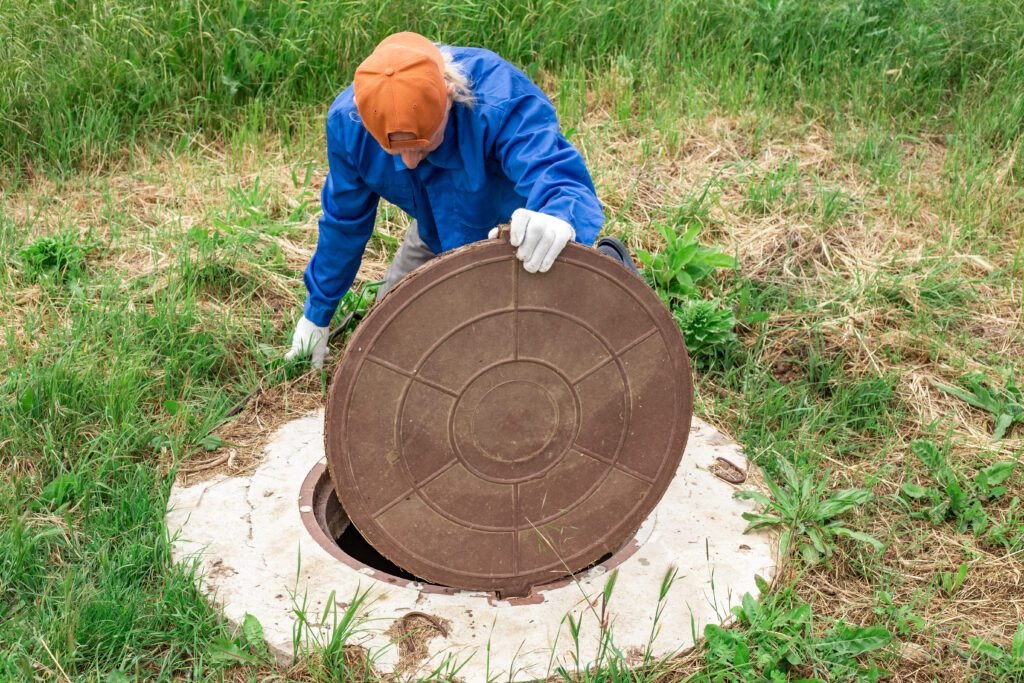
Step 1: Locate the Tank
The technician identifies and accesses the septic tank lid.
Step 2: Inspect the System
A visual inspection checks for:
- Cracks
- Leaks
- Pipe damage
- Drain field issues
Step 3: Pump the Tank
Specialized vacuum equipment removes:
- Sludge
- Scum
- Wastewater
The tank is cleaned thoroughly to restore capacity.
Step 4: Final Evaluation
The technician may recommend repairs or maintenance if issues are detected.
Regular inspections help catch small problems before they become expensive emergencies.
How Much Does Septic Tank Pumping Cost?
The cost of septic pumping varies based on:
- Tank size
- Accessibility
- Waste levels
- Property location
On average, homeowners can expect routine septic pumping to cost significantly less than repairing a failed system.
Ignoring maintenance may lead to:
- Drain field replacement
- Excavation costs
- Plumbing repairs
- Property damage cleanup
Routine service is one of the best long-term investments for homeowners with septic systems.
How Long Does a Septic System Last?
With proper care, many septic systems last between 20 and 40 years.
Some systems last even longer when homeowners follow good maintenance practices.
Septic Maintenance Tips Every Homeowner Should Follow
Conserve Water
Reducing water usage prevents overloading the system.
Helpful Tips:
- Fix leaking faucets
- Install water-efficient fixtures
- Spread laundry loads throughout the week
- Avoid excessive water use in one day
Be Careful What You Flush
Your septic system is designed for human waste and toilet paper only.
Avoid flushing anything non-biodegradable.
Protect the Drain Field
Your drain field is a critical part of the system.
Never:
- Park vehicles on it
- Build structures over it
- Plant large trees nearby
Heavy pressure and roots can damage underground pipes.
Schedule Routine Inspections
Professional inspections help identify:
- Cracks
- Root intrusion
- Drainage problems
- Early system wear
Preventative maintenance reduces repair costs over time.
Keep Maintenance Records
Tracking pumping dates and inspections helps ensure timely service.
This information is also useful when selling your home.
Common Septic System Mistakes Homeowners Make
Waiting Too Long to Pump
Many homeowners wait until problems appear, which often means damage has already occurred.
Overusing Chemical Additives
Some septic additives claim to eliminate pumping needs, but many are ineffective and can harm the system.
Routine pumping is still necessary.
Ignoring Warning Signs
Small problems rarely fix themselves. Early action prevents major repairs.
Flushing “Flushable” Wipes
Even products labeled “flushable” can clog septic systems and pipes.
When Should You Call a Septic Professional?
Contact a septic expert immediately if you notice:
- Sewage backups
- Standing water
- Strong odors
- Slow drains
- Gurgling sounds
- Wet drain fields
- Plumbing issues throughout the home
Professional service can diagnose the issue before it becomes a costly emergency.
Final Thoughts
Routine septic tank pumping is one of the most important responsibilities for homeowners with septic systems. While most tanks should be pumped every 3 to 5 years, the ideal schedule depends on household size, water usage, tank capacity, and overall maintenance habits.
Ignoring septic maintenance can lead to sewage backups, drain field failure, environmental contamination, and expensive repairs. Fortunately, regular inspections and pumping can keep your system running efficiently for decades.
By understanding the warning signs and following proper septic care practices, homeowners can protect their property, avoid emergencies, and extend the life of their septic system.
If it’s been several years since your last septic pumping, now is the perfect time to schedule a professional inspection and ensure your system is operating at its best.