
Installing a new septic system involves much more than placing a tank underground and connecting pipes. One of the biggest factors that determines whether a septic system performs efficiently for years—or develops expensive problems early—is what happens before installation even begins.
Proper site grading and soil evaluation are essential steps that influence drainage, wastewater treatment, system lifespan, environmental safety, and overall performance. Skipping or rushing these steps can lead to standing water, failing drain fields, backups, poor absorption, and costly repairs.
For homeowners and property developers in the Greater Charlotte area, understanding the importance of grading and soil testing is especially important because regional soil conditions, rolling terrain, seasonal rain, and clay-heavy ground create unique challenges for septic installation.
Investing time in proper site preparation helps ensure that a septic system works effectively from day one.
Understanding How Septic Systems Depend on the Ground Beneath Them
Unlike municipal sewer systems that transport wastewater to treatment facilities, septic systems rely heavily on the surrounding land.
A typical septic setup includes:
- Septic tank
- Distribution system
- Drain field or leach field
- Soil absorption area
After wastewater leaves the tank, partially treated liquid enters the drain field.
At this stage, the soil becomes an active part of treatment.
The ground filters contaminants, absorbs moisture, and helps complete the purification process.
If the soil cannot absorb water correctly or the land directs excess runoff toward the system, performance suffers.
This is why evaluating site conditions before installation matters so much.
What Is Site Grading?
Site grading refers to shaping and preparing land elevations so water moves properly across a property.
The process may involve:
- Cutting high areas
- Filling low sections
- Adjusting slopes
- Improving drainage paths
- Stabilizing soil
- Preparing building areas
Grading affects how rainwater behaves after storms.
Without proper grading:
- Water may pool
- Soil becomes saturated
- Drain fields remain wet
- Erosion increases
- Septic performance declines
A well-graded site protects both the home and the septic system.
What Is Soil Evaluation for Septic Installation?
Soil evaluation determines whether the ground can safely support wastewater treatment.
Professionals assess several factors, including:
Soil Texture
Different soil types absorb water differently.
Examples include:
- Sand
- Silt
- Clay
- Loam
- Mixed soils
Sandy soils drain quickly.
Clay soils hold water longer.
The balance affects septic design.
Percolation Rate
A percolation test measures how quickly water moves through soil.
If water drains too slowly:
- Wastewater may back up
- Drain fields remain saturated
- System efficiency drops
If water drains too quickly:
- Filtration may become inadequate
The goal is balanced absorption.
Seasonal Water Tables
Groundwater levels change throughout the year.
High water tables may interfere with wastewater treatment.
Evaluations help determine safe installation depths.
Soil Depth
Adequate soil depth supports filtration.
Shallow soils limit system options.
Rock layers, compacted earth, and hardpan conditions also influence design.
Why Site Grading Matters Before Septic Installation
1. Proper Water Flow Prevents Saturation
A drain field works best when surrounding soil remains balanced.
Poor grading allows rainwater to collect around the system.
Excess water reduces absorption.
This may eventually cause:
- Slow drains
- Standing water
- Wastewater surfacing
- Reduced treatment efficiency
Proper grading directs runoff away.
Keeping the drain field dry improves long-term performance.
2. Grading Protects Against Erosion
Uncontrolled runoff removes soil gradually.
Erosion creates several risks:
- Exposed pipes
- Uneven surfaces
- Drain line damage
- Soil displacement
Sloped properties in the Charlotte region often experience runoff challenges during heavy rain.
Correct grading stabilizes these areas.
Preserving soil structure protects septic components.
3. Site Preparation Supports System Longevity
Many septic failures begin with poor preparation.
Improper slopes create continuous stress.
Drain fields exposed to repeated saturation age faster.
Professional grading reduces unnecessary pressure.
A properly prepared site often extends system life significantly.
4. Grading Helps Control Surface Water
Roof runoff, driveway drainage, and landscape changes influence water movement.
Without planning, these sources may direct water toward the septic area.
Grading creates controlled flow paths.
Common solutions include:
- Drainage swales
- Diversion channels
- Elevation adjustments
- Surface shaping
Managing runoff early prevents future problems.
Why Soil Evaluation Is Critical Before Installation
Soil Determines System Design
No two properties have identical soil conditions.
A system that works well on one lot may fail on another.
Soil testing influences:
- Tank size recommendations
- Drain field dimensions
- Installation depth
- Distribution methods
- Drainage strategies
Skipping evaluation increases risk.
Proper design begins with understanding the ground.
Clay Soil Challenges in the Greater Charlotte Area
Many properties throughout the Greater Charlotte region contain clay-rich soils.
Clay offers benefits but presents septic concerns.
Clay often:
- Drains slowly
- Retains moisture
- Expands when wet
- Contracts when dry
These characteristics affect wastewater movement.
Drain fields installed without accounting for clay conditions may struggle during wet periods.
Additional grading and drainage planning often become necessary.
Preventing Drain Field Failure
Drain fields depend on healthy soil absorption.
Improper soil conditions lead to:
- Waterlogging
- Surface seepage
- Reduced filtration
- Premature failure
Soil evaluations identify potential risks before installation begins.
Early corrections cost less than replacement.
Environmental Protection
Poorly performing septic systems may affect:
- Groundwater
- Nearby streams
- Surface water
- Surrounding landscapes
Proper soil evaluation supports environmental safety.
It helps ensure wastewater receives adequate treatment before entering natural systems.
Common Problems Caused by Skipping Site Preparation
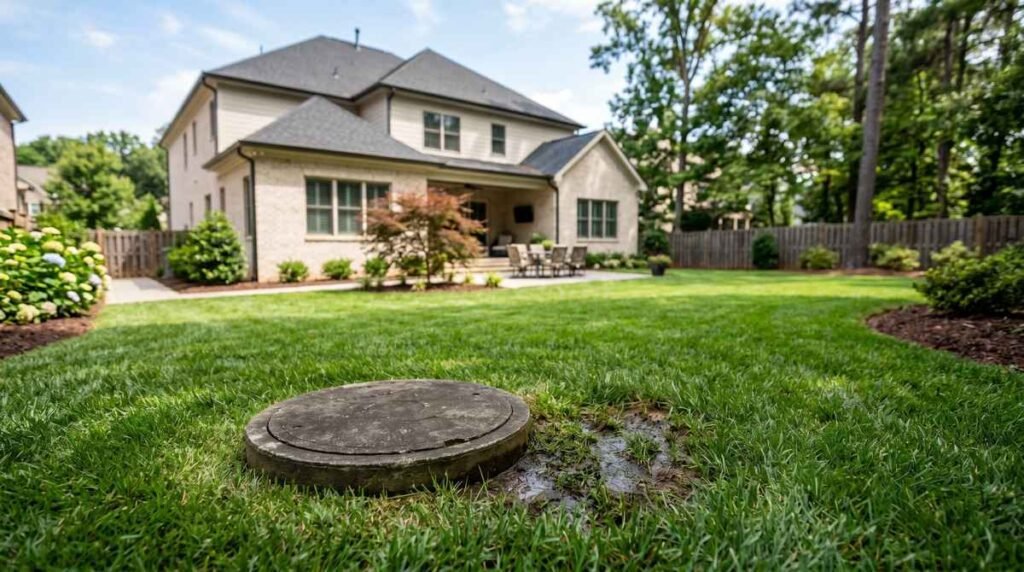
Standing Water Around the System
Improper grading often creates low spots.
Rainwater accumulates around the drain field.
Over time:
- Soil remains saturated
- Treatment slows
- Drainage decreases
Standing water frequently becomes one of the earliest signs of trouble.
Septic Backups
Water must move through the system efficiently.
Poor soil conditions interfere with flow.
This may lead to:
- Slow drains
- Gurgling fixtures
- Interior backups
- Overflow events
Backups are expensive and disruptive.
Proper preparation reduces these risks.
Shortened System Life
A poorly planned installation may function temporarily.
However, continuous stress accelerates wear.
Drain fields exposed to excess moisture often fail sooner than expected.
Replacing systems costs far more than preparing the site correctly.
Expensive Repairs and Rework
Fixing drainage after installation usually requires:
- Excavation
- Soil replacement
- Regrading
- Pipe adjustments
- Landscape restoration
Addressing conditions beforehand is more efficient.
Factors Unique to the Greater Charlotte Area
Seasonal Rainfall Patterns
Charlotte experiences changing weather throughout the year.
Heavy storms increase runoff.
Extended wet periods create saturated conditions.
Properties without proper grading often reveal drainage problems quickly.
Rolling Terrain
Many lots contain natural slopes.
While slopes help drainage, they also create erosion challenges.
Improper septic placement on uneven land may result in:
- Soil movement
- Water concentration
- Uneven absorption
Grading balances these issues.
Expanding Development
Residential growth continues across many surrounding communities.
New construction frequently alters:
- Natural drainage paths
- Soil structure
- Water flow
Site evaluations help identify changes caused by development activities.
Mixed Soil Conditions
Some properties contain multiple soil layers.
A single lot may include:
- Clay pockets
- Sandy sections
- Compacted fill
- Variable depths
Testing ensures system designs match actual conditions.
The Role of Drainage Planning in Septic Success
Drainage planning goes hand in hand with grading and soil evaluation.
Professionals may recommend:
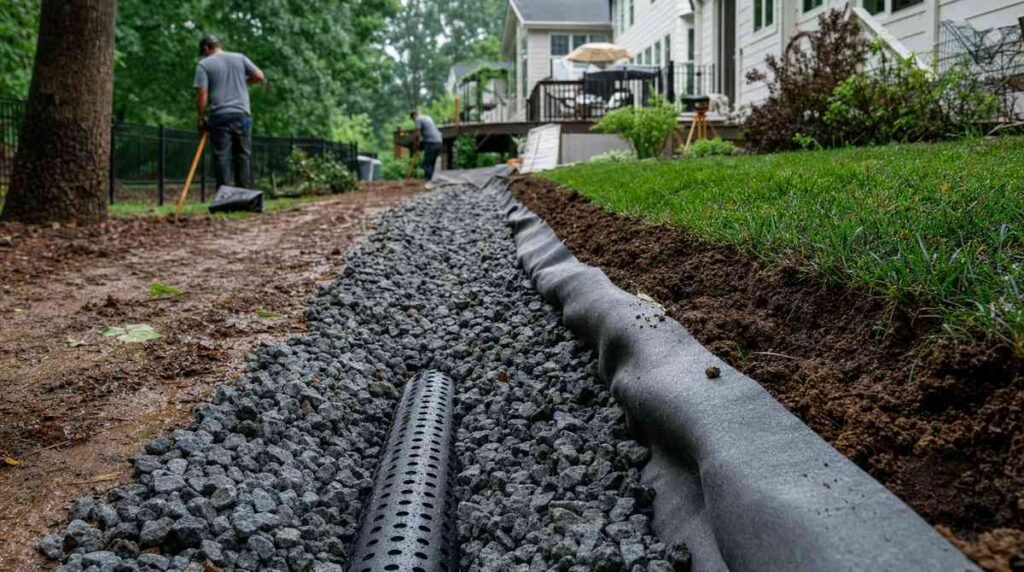
French Drains
French drains redirect groundwater.
These systems reduce saturation around septic areas.
Swales
Swales are shallow channels designed to move runoff safely.
They help protect drain fields.
Downspout Extensions
Roof water should never discharge near septic systems.
Extensions direct runoff elsewhere.
Retention Areas
Some properties benefit from designated water collection zones.
These reduce pressure on sensitive areas.
Combining drainage planning with site preparation improves performance.
Steps Typically Involved Before Installing a Septic System
Step 1: Property Assessment
Professionals evaluate:
- Topography
- Drainage
- Soil conditions
- Existing structures
Step 2: Soil Testing
Percolation and soil analysis determine suitability.
Step 3: Site Grading Plan
Elevation adjustments are designed.
Runoff paths are identified.
Step 4: Drainage Improvements
Additional systems may be installed if needed.
Step 5: Final Septic Design
Tank location, drain field placement, and layout are finalized.
This process creates a stronger foundation for installation.
Tips for Homeowners Preparing for Septic Installation
Avoid Rushing Site Work
Quick installations may overlook important issues.
Allow time for:
- Testing
- Planning
- Drainage review
- Soil analysis
Preparation protects long-term investment.
Preserve Natural Drainage Patterns
Avoid unnecessary grading changes before evaluation.
Moving soil too early may alter runoff behavior.
Discuss Future Property Plans
Consider:
- Pools
- Garages
- Additions
- Driveways
- Landscaping
Future construction affects septic placement.
Planning ahead prevents conflicts.
Work With Experienced Site Preparation Professionals
Septic installation involves more than excavation.
Knowledge of grading, drainage, soil behavior, and regional conditions improves outcomes.
Experienced professionals help identify risks early.
Long-Term Benefits of Proper Site Grading and Soil Evaluation
Investing in preparation delivers long-term advantages.
Benefits include:
- Improved septic efficiency
- Lower repair costs
- Better drainage performance
- Longer system lifespan
- Reduced environmental risks
- Fewer backups
- Healthier landscapes
- Better property value protection
Good preparation reduces future surprises.
The upfront effort often saves substantial money later.
Final Thoughts
Installing a septic system is a major investment, and its success depends heavily on what happens before construction begins. Site grading and soil evaluation provide the foundation that allows wastewater treatment systems to operate safely and efficiently.
For homeowners across the Greater Charlotte area, factors such as clay soils, seasonal rainfall, rolling terrain, and changing drainage patterns make these steps even more important.
Proper grading controls water movement, protects drain fields, and reduces erosion. Soil evaluation ensures the ground can support wastewater treatment and helps determine the best system design.
Skipping these processes may save time initially, but it often leads to expensive repairs, reduced system life, and long-term performance issues.
Careful site preparation creates a stronger, more reliable septic installation and helps protect both the property and the investment for years to come.