
For homeowners who rely on a septic system, routine maintenance is an important part of protecting both the property and the people living on it. Unlike municipal sewer systems, a private wastewater system requires ongoing care to operate efficiently. Problems can develop underground and remain unnoticed until they cause unpleasant odors, slow drains, sewage backups, or expensive property damage.
Regular septic inspections help homeowners identify potential issues before they become major repairs. They can also support proper system performance, protect the surrounding soil and groundwater, and help preserve the value of the property.
Understanding why these evaluations matter can help homeowners make smarter maintenance decisions and avoid unnecessary expenses.
What Is a Septic Inspection?
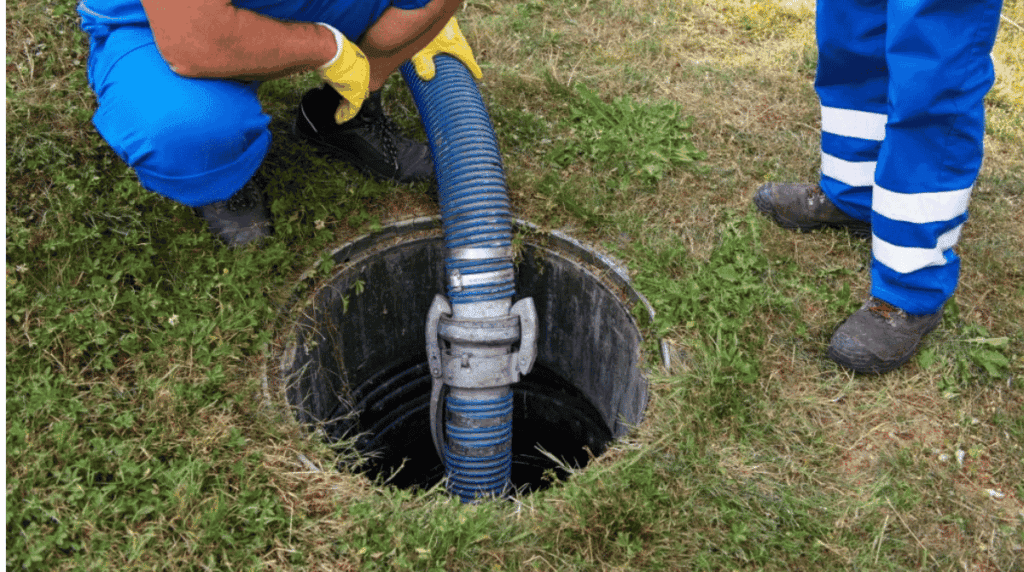
A septic inspection is a professional evaluation of a property’s wastewater treatment system. Depending on the system and local requirements, an inspection may involve checking the tank, inlet and outlet components, pipes, distribution system, drainfield, and signs of leaks or other problems.
Professionals may also look for sludge and scum levels, structural damage, drainage concerns, unusual odors, standing water, and evidence that the system is not functioning properly.
The exact inspection process can vary based on the type of system, property conditions, and local regulations. A qualified professional can explain which evaluations are appropriate for your property.
1. Prevents Expensive Septic Repairs
One of the biggest benefits of routine maintenance is early problem detection. Small issues can become significantly more expensive when they are ignored.
For example, a damaged component or developing blockage may initially cause only minor drainage problems. Over time, continued use can put additional stress on the system and potentially contribute to backups or drainfield damage.
Early identification gives homeowners an opportunity to address the problem before extensive repairs are required.
Instead of waiting until wastewater reaches the yard or backs up into the house, proactive maintenance allows problems to be managed while they are still more manageable.
2. Helps Prevent Sewage Backups
A sewage backup is one of the most unpleasant problems a homeowner can experience. Wastewater can enter bathrooms, floors, basements, or other areas of the property, creating cleanup challenges and potential health concerns.
Backups may occur because of excessive solids, blockages, damaged pipes, overloaded systems, or other problems.
Routine evaluations can help identify warning signs before wastewater begins moving in the wrong direction. Homeowners should also pay attention to slow drains, gurgling plumbing, unpleasant odors, or unusually wet areas around the system.
These signs should not be ignored.
3. Protects Your Drainfield
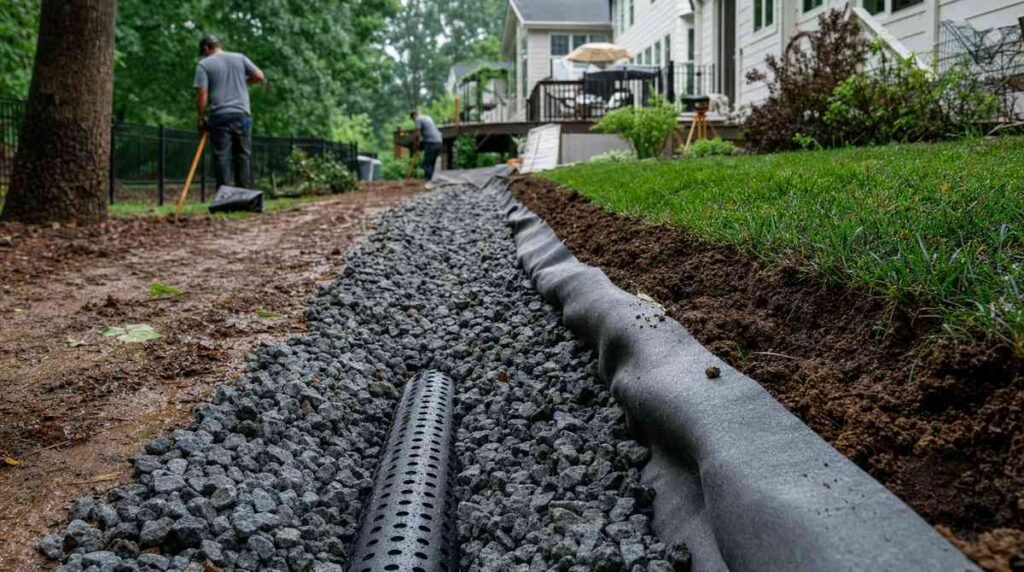
The drainfield is an essential part of a septic system because it helps treat and disperse wastewater into the surrounding soil. Damage to this area can be costly and difficult to correct.
Too much wastewater, compacted soil, poor drainage, invasive roots, or a failing tank can negatively affect drainfield performance.
Professional evaluations can help identify conditions that may threaten this area. Homeowners should also avoid driving heavy vehicles over the drainfield or placing structures, patios, or large landscaping features on top of it unless specifically permitted by a qualified professional.
Protecting this area can extend the useful life of the entire system.
4. Protects Soil and Groundwater
A properly maintained wastewater system helps treat household wastewater before it reaches the surrounding environment. When a system fails, untreated wastewater can potentially move into soil or nearby water sources.
This can create environmental concerns and may affect wells, streams, ponds, or other water resources depending on the property’s location.
Routine maintenance helps identify leaks, overflow, and other conditions that could contribute to environmental contamination.
For rural homeowners who depend on private wells, protecting the surrounding environment is especially important because groundwater quality can directly affect household water supplies.
5. Helps Maintain Property Value
A functioning wastewater system can be an important part of a property’s value. When homeowners eventually decide to sell, prospective buyers may want information about the condition and maintenance history of the system.
A neglected system can create uncertainty during a real estate transaction. Buyers may become concerned about potential repair or replacement costs.
Maintaining records of professional evaluations, pumping, repairs, and other services can demonstrate that the system has received appropriate attention.
A documented maintenance history can also help homeowners understand the condition of their property before listing it for sale.
6. Supports Better System Performance
A wastewater system works best when household usage is appropriate and the components are in good condition.
Excessive water use can place unnecessary stress on the system. Leaking toilets, dripping faucets, inefficient appliances, and large amounts of wastewater entering the tank in a short period can affect normal operation.
Professional evaluations can reveal signs that the system is struggling to handle household demand.
Homeowners can support better performance by fixing plumbing leaks, spreading laundry throughout the week, avoiding unnecessary water consumption, and following professional recommendations.
7. Identifies Warning Signs Early
Many wastewater problems begin with subtle symptoms. Homeowners may notice a slow drain and assume it is simply a plumbing issue. They may see a wet patch in the yard and attribute it to rain.
However, recurring symptoms can indicate a deeper problem.
Warning signs that deserve professional attention include:
- Slow drains throughout the home
- Frequent plumbing backups
- Gurgling sounds from drains
- Unpleasant sewage odors
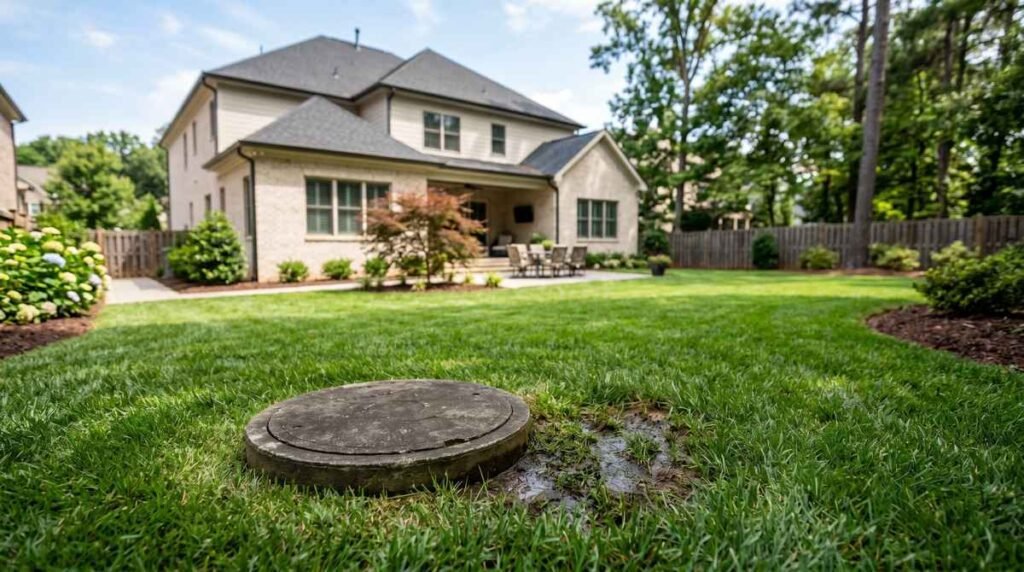
- Standing water near the tank or drainfield
- Unusually green or fast-growing grass over the system
- Sewage surfacing in the yard
- Toilet flushing problems
One isolated plumbing issue does not necessarily mean the septic system is failing, but repeated symptoms should be evaluated.
8. Helps With Long-Term Maintenance Planning
A professional evaluation can provide homeowners with useful information about the current condition of their system. This makes it easier to plan future maintenance instead of reacting to emergencies.
Depending on the findings, a professional may recommend pumping, repairs, additional monitoring, or other maintenance.
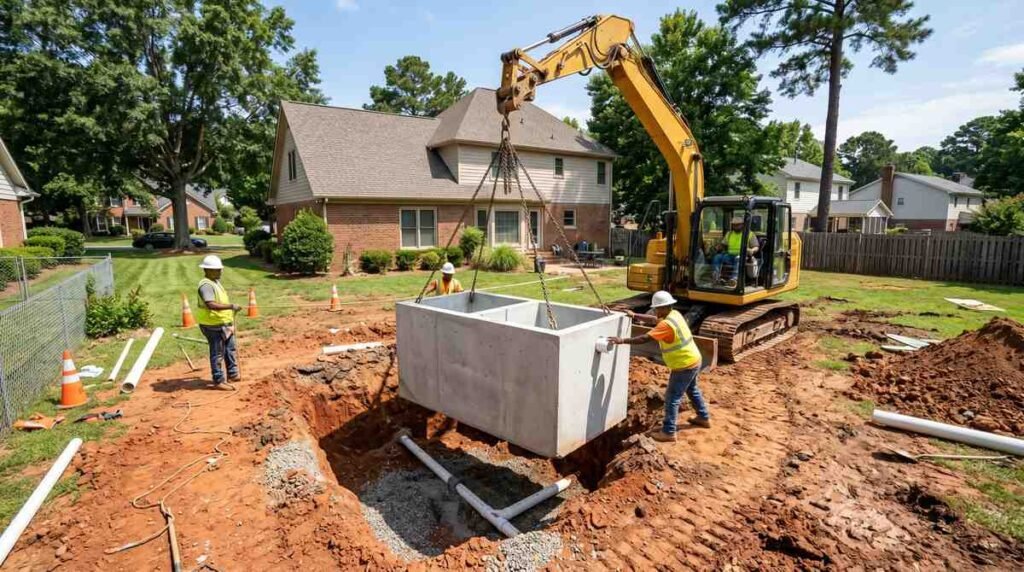
Planning ahead can also make budgeting easier. Major system replacement can be expensive, so understanding the condition of an aging system gives homeowners more time to prepare financially.
How Often Should a Septic System Be Inspected?
There is no universal schedule that applies to every property. Inspection and pumping needs can vary depending on tank size, household size, wastewater volume, system design, soil conditions, and usage habits.
Many homeowners follow a regular maintenance schedule recommended by a qualified professional and local authorities.
If you recently purchased a home, do not assume the previous owner maintained the system properly. Establishing a baseline evaluation can help you understand its current condition and determine future maintenance needs.
Always follow applicable local requirements and recommendations from qualified professionals.
How Homeowners Can Protect Their Septic System
Professional maintenance is only one part of protecting a wastewater system. Homeowners can also take practical steps every day.
Avoid flushing items that do not break down easily, including wipes, paper towels, feminine hygiene products, and household trash. Use septic-safe products when appropriate, but remember that no product can replace proper maintenance.
Be careful about pouring grease, oils, harsh chemicals, or large quantities of household cleaners down drains. Excessive use of certain chemicals may interfere with the biological processes that support wastewater treatment.
Conserve water whenever possible and repair plumbing leaks promptly.
It is also important to know where the tank and drainfield are located. Keep these areas accessible for professional service and avoid damaging them with vehicles or heavy equipment.
Why Professional Service Matters
DIY septic maintenance can create additional problems if homeowners do not have the appropriate knowledge or equipment. Underground components can be difficult to locate, and tanks may contain hazardous gases and wastewater.
Professional technicians have the training and equipment needed to evaluate the system safely and identify potential problems.
If a problem is discovered, professional guidance can also help determine whether pumping, repairs, component replacement, or additional evaluation is appropriate.
Final Thoughts
Regular care is one of the smartest ways to protect a property that depends on a private wastewater system. Routine evaluations can help identify developing problems, reduce the risk of sewage backups, protect the drainfield, and support the long-term performance of the system.
Homeowners should not wait until there is wastewater in the yard or a backup inside the house before taking action. Slow drains, unusual odors, standing water, and other warning signs deserve timely attention.
A proactive approach can also help protect property value and reduce the possibility of unexpected emergency expenses. By combining professional maintenance with responsible water use and proper household habits, homeowners can help their wastewater system operate effectively for years to come.
For dependable professional guidance and maintenance, ProSite and Septic can help homeowners protect their property and maintain a properly functioning wastewater system.
Frequently Asked Questions
1. How often should a septic system be inspected?
The recommended frequency depends on factors such as tank size, household occupancy, system design, wastewater usage, and local requirements. A qualified professional can recommend an appropriate maintenance schedule.
2. What are the signs of septic system failure?
Common warning signs include slow drains, sewage odors, gurgling plumbing, standing water, unusually lush grass over the drainfield, recurring backups, and wastewater surfacing in the yard.
3. Does a septic inspection include pumping?
Not necessarily. An inspection and tank pumping are different services, although pumping may be recommended if the inspection finds high levels of accumulated solids.
4. Can regular maintenance extend the life of a septic system?
Proper maintenance can help identify problems early and reduce unnecessary strain on the system. Responsible water use and appropriate household practices can also support long-term performance.
5. Why is septic maintenance important when selling a home?
A well-maintained system can provide prospective buyers with greater confidence about the property’s wastewater infrastructure. Maintenance records may also help demonstrate that the system has received appropriate care.