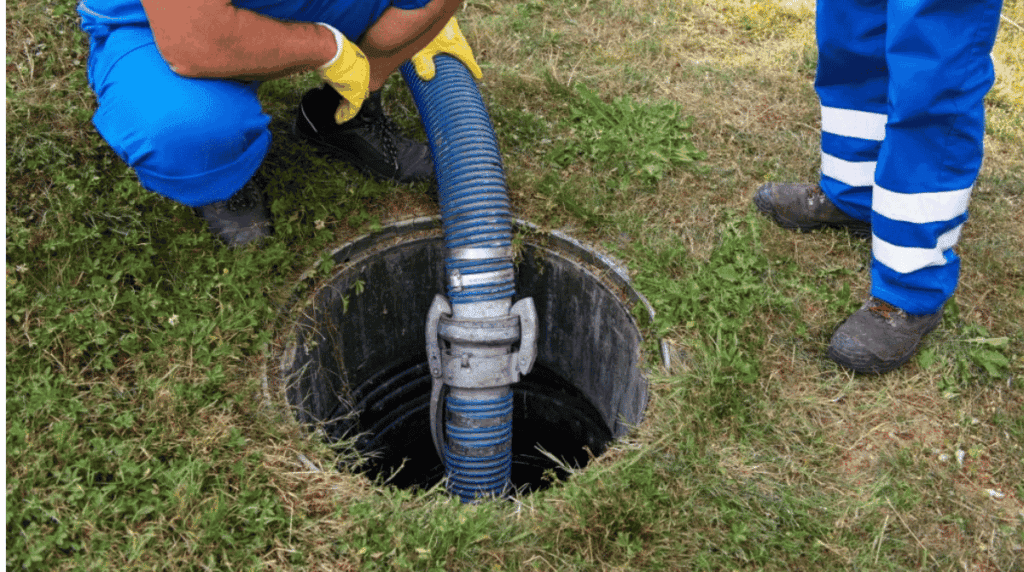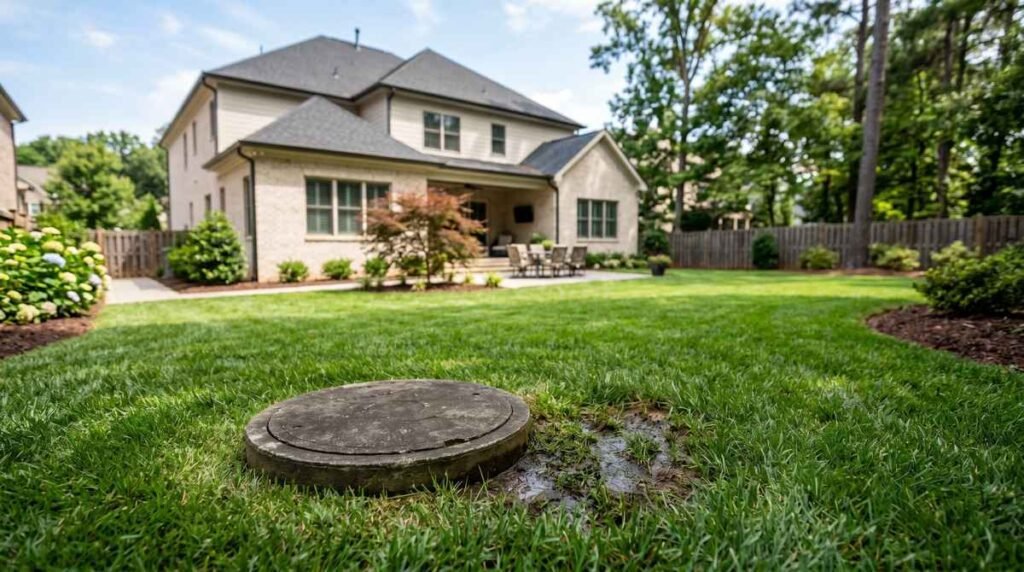

A septic system plays an essential role in managing wastewater for many homes and properties that are not connected to a municipal sewer system. When everything is working properly, it is easy to forget about the tank, drain field, pipes, and other components beneath the property. But when a septic problem suddenly occurs, ignoring the warning signs can lead to sewage backups, property damage, unpleasant odors, and potentially expensive repairs.
Knowing when to call an emergency septic service can help homeowners respond quickly and reduce the risk of a minor problem becoming a major failure. Some issues can wait for a scheduled appointment, while others require immediate professional attention.
Here are the most important situations that should prompt you to seek urgent help.
1. Sewage Is Backing Up Into Your Home
A sewage backup is one of the clearest signs of a serious septic problem. Wastewater may begin coming back through toilets, sinks, showers, bathtubs, or floor drains.
This is more than an inconvenience. Raw sewage can contain harmful microorganisms and create an unhealthy environment inside your home.
What to do:
Stop using sinks, toilets, washing machines, showers, and other water-consuming fixtures. Avoid direct contact with wastewater and keep children and pets away from contaminated areas.
Contact a septic professional as soon as possible so the cause can be identified and addressed.
2. Multiple Drains Are Draining Slowly
One slow drain does not necessarily mean the septic system has failed. It could be caused by a localized blockage in a household pipe.
However, when several drains throughout the home become slow at the same time, the problem may be farther down the plumbing system. A full septic tank, blocked outlet, damaged pipe, or other system issue could be responsible.
What to do:
Pay attention to whether the problem affects multiple fixtures. If several drains slow down simultaneously, arrange for professional inspection instead of repeatedly using chemical drain cleaners.
Early attention may prevent wastewater from backing up into the property.
3. Your Septic Tank Is Overflowing
An overflowing tank can indicate that the tank is full, the outlet is blocked, or wastewater is not moving properly through the system.
You may notice wet areas, standing wastewater, unusually strong odors, or sewage surfacing around the tank or drain field.
What to do:
Keep people and pets away from the affected area. Do not attempt to open the tank or handle sewage yourself.
A qualified technician can determine whether pumping, cleaning, repairs, or additional diagnostics are required.
4. You Notice Strong Sewage Odors
A properly functioning septic system should not produce persistent sewage odors around the home or yard.
Strong odors may indicate an overflowing tank, damaged components, drain field problems, broken pipes, or gases escaping from the system.
What to do:
Do not ignore persistent odors, particularly when they are accompanied by slow drains, wet ground, or wastewater surfacing.
A professional inspection can help determine where the odor is coming from and whether there is an immediate system failure.
5. Wastewater Is Pooling in the Yard
Standing water in the yard can be caused by rain, poor drainage, or irrigation. But if pooling occurs near the septic tank or drain field and has a sewage odor, it may indicate a septic issue.
A saturated drain field may no longer be absorbing wastewater properly.
What to do:
Avoid walking through the affected area. Keep vehicles, children, and pets away from the wet ground and contact a septic professional.
Driving heavy equipment over a drain field can also damage the system and make the situation worse.
6. Toilets Gurgle or Water Levels Change Unexpectedly
Gurgling toilets can be an early warning sign of trouble in the plumbing or septic system. You may also notice unusual changes in toilet water levels or bubbling when sinks or other fixtures are used.
These symptoms can occur when wastewater is struggling to move through the system.
What to do:
Monitor whether the symptoms occur repeatedly or across multiple fixtures. If they continue, have the system inspected before a complete backup develops.
Addressing early warning signs can be considerably easier than responding after wastewater enters the home.
7. Your Septic Tank Has Not Been Pumped in a Long Time
Routine maintenance is one of the best ways to reduce the likelihood of an emergency. The appropriate pumping schedule depends on household size, tank capacity, water usage, and other factors.
Waiting until wastewater backs up is not a good maintenance strategy.
What to do:
Keep records of previous pumping and inspections. Ask a septic professional to recommend a maintenance schedule appropriate for your property and usage.
If you cannot remember the last time the tank was serviced, it may be worth scheduling an inspection.
8. You Hear Unusual Sounds From the Plumbing
Gurgling, bubbling, or unusual sounds from toilets, sinks, or drains can indicate an obstruction or drainage problem.
While occasional noises may not indicate an emergency, persistent sounds combined with slow drainage, odors, or backups deserve attention.
What to do:
Avoid putting additional strain on the system by limiting unnecessary water use until the problem is evaluated.
9. The Drain Field Appears Damaged
The drain field is an important part of the septic system because it receives and treats wastewater after it leaves the tank. Problems in this area can become expensive if ignored.
Signs of possible trouble include unusually green grass over the drain field, soggy soil, standing water, sewage odors, or wastewater surfacing.
What to do:
Keep vehicles and heavy equipment away from the area. Do not plant deep-rooted trees directly over the drain field without professional guidance.
A technician can evaluate whether the issue is related to saturation, blockage, hydraulic overload, or another cause.
10. Heavy Rain Has Caused Septic Problems
Periods of heavy rainfall can saturate the soil surrounding a drain field. When the ground is already saturated, wastewater may have difficulty being absorbed.
This can cause slow drainage, standing water, backups, and other problems.
What to do:
Reduce unnecessary water usage during periods of severe saturation. If wastewater begins surfacing or backing up into the home, seek professional assistance promptly.
Why Fast Action Matters
Delaying septic repairs can create a chain reaction. A small blockage may become a backup. A minor leak may contaminate soil. An overloaded system may eventually damage the drain field.
Quick action can help limit property damage and reduce the possibility of costly repairs.
Homeowners should also remember that septic wastewater can present sanitation concerns. Direct contact should be avoided, and contaminated areas should be handled appropriately by qualified professionals.
What Not to Do During a Septic Emergency
When a septic problem occurs, homeowners may be tempted to solve it themselves. Some actions, however, can make the situation worse.
Avoid:
- Opening the septic tank yourself
- Entering or leaning over an open tank
- Touching sewage without proper protection
- Using excessive chemical drain cleaners
- Driving vehicles over the drain field
- Continuing to run large amounts of water
- Ignoring recurring backups
- Attempting major repairs without professional expertise
Instead, reduce water usage, keep people away from contaminated areas, and contact a qualified septic technician.
How to Prevent Septic Emergencies
Although not every failure can be prevented, regular maintenance can significantly reduce the risk.
Be careful about what goes down household drains. Avoid flushing wipes, paper towels, feminine hygiene products, grease, harsh chemicals, and other materials that can interfere with wastewater treatment or create blockages.
Spread out water usage when possible instead of running several high-water appliances simultaneously.
Regular inspections and pumping can also help identify potential problems before they become emergencies.
When Is It Not an Emergency?
Not every septic concern requires immediate emergency service. A routine inspection, scheduled pumping, or minor maintenance issue may be appropriate for a standard appointment.
For example, if your system is functioning normally but you are due for routine pumping, you may not need emergency assistance.
However, sewage backups, wastewater surfacing, severe odors, rapidly worsening drainage, or an overflowing tank should receive prompt professional attention.
When in doubt, contacting a septic professional for guidance can help you determine the appropriate response.
Final Thoughts
A septic emergency can quickly disrupt your household and create significant sanitation and property concerns. Sewage backups, standing wastewater, strong odors, overflowing tanks, multiple slow drains, gurgling fixtures, and drain field problems should never be ignored.
The safest approach is to reduce water usage, keep people and pets away from contaminated areas, and contact a qualified professional when serious warning signs appear. Regular pumping, inspections, responsible water usage, and proper disposal habits can also help reduce the risk of unexpected failures.
When urgent septic problems occur, ProSite and Septic can help homeowners address the situation and determine the appropriate next steps for restoring proper wastewater function.
Frequently Asked Questions
1. What is considered a septic emergency?
Sewage backing up into the home, wastewater surfacing in the yard, an overflowing tank, severe drainage problems, or strong sewage odors accompanied by other symptoms can indicate an emergency.
2. What should I do if sewage backs up into my house?
Stop using water immediately, keep children and pets away from the contaminated area, avoid direct contact, and contact a qualified septic professional for assistance.
3. How often should a septic tank be pumped?
The ideal schedule depends on tank size, household occupancy, water consumption, and system conditions. A septic professional can recommend a schedule based on your property.
4. Can heavy rain cause septic problems?
Yes. Heavy rainfall can saturate the soil around a drain field, making it harder for wastewater to be absorbed. This may contribute to slow drainage, pooling, or backups.
5. Can I fix a septic emergency myself?
Major septic problems should be evaluated by a qualified professional. Opening tanks, handling sewage, or attempting complex repairs can expose homeowners to serious safety and sanitation hazards.