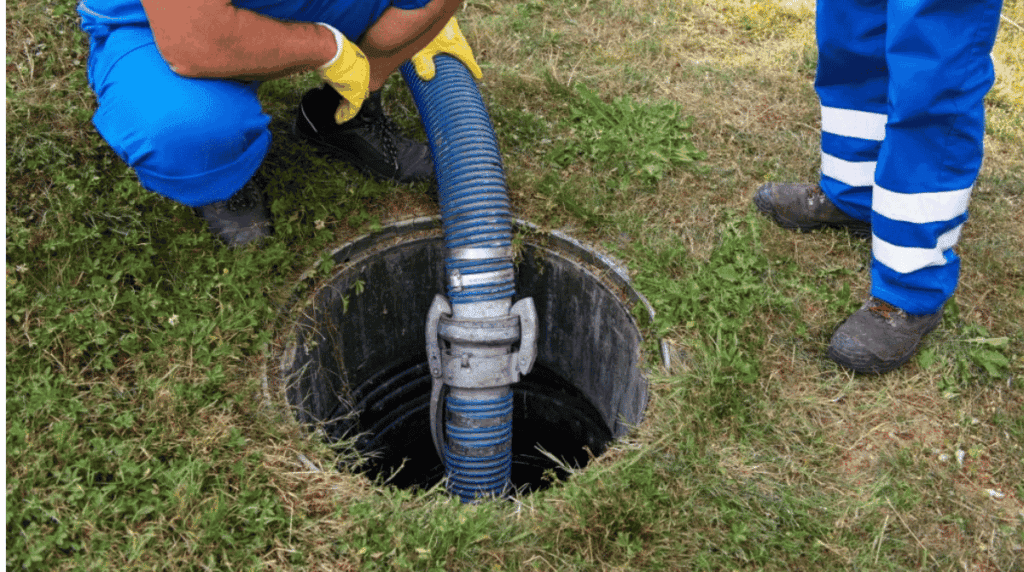

A septic system backup is one of the most stressful plumbing emergencies a homeowner can face. Wastewater returning into sinks, toilets, or drains is not only unpleasant but also a serious health hazard. Acting quickly can minimize property damage, reduce repair costs, and restore your home’s sanitation. In this guide, we’ll explain the causes, warning signs, immediate steps to take, and long-term prevention strategies for septic emergencies.
What Is a Septic Backup?
A septic backup occurs when wastewater cannot flow properly through your septic system and instead reverses direction into your home. This usually happens when the system is overloaded, blocked, or damaged.
Common areas where backups appear include:
- Toilets gurgling or overflowing
- Slow or clogged drains
- Water pooling near floor drains
- Sewage odors inside or outside the home
Ignoring these early signs can quickly escalate into a full-scale emergency.
Top Causes of Septic System Failures
Understanding what leads to septic issues can help prevent future problems.
1. Overloaded System
Excessive water usage from laundry, showers, and dishwashing can overwhelm the tank.
2. Lack of Maintenance
Skipping routine pumping allows sludge to build up, leading to blockages.
3. Tree Root Intrusion
Roots can penetrate pipes, causing cracks and obstructions.
4. Flushing Non-Biodegradable Items
Items like wipes, diapers, and grease clog the system and disrupt flow.
5. Drain Field Failure
A saturated or damaged drain field prevents proper wastewater absorption.
Warning Signs You Should Never Ignore
Recognizing early warning signals can save you from costly repairs:
- Slow-draining sinks and tubs
- Gurgling noises in pipes
- Foul sewage smells
- Standing water near the septic area
- Toilets backing up frequently
If you notice multiple symptoms, immediate action is necessary.
What to Do During a Septic Backup Emergency
When a septic emergency strikes, follow these steps to limit damage:
1. Stop Using Water Immediately
Avoid flushing toilets, running sinks, or using appliances that require water.
2. Turn Off Electrical Systems Near Affected Areas
Water and electricity are dangerous together—ensure safety first.
3. Keep People and Pets Away
Contaminated water contains harmful bacteria and pathogens.
4. Identify the Source
Check whether the issue is isolated to one drain or affecting the entire system.
5. Call a Professional Service
Emergency septic services can diagnose and resolve the issue quickly using specialized tools.
Why Quick Action Matters
Delaying repairs can result in:
- Structural damage to your home
- Contaminated groundwater
- Expensive system replacement
- Health risks from exposure to bacteria
Prompt action not only protects your property but also ensures your family’s safety.
Professional Solutions for Septic Emergencies
Experts typically use the following methods to resolve septic issues:
Pumping the Tank
Removes accumulated sludge and restores system capacity.
Hydro Jetting
Clears stubborn blockages in pipes using high-pressure water.
Camera Inspection
Identifies cracks, leaks, or root intrusion inside pipes.
Drain Field Repair
Restores proper wastewater absorption in the soil.
Hiring trained professionals ensures the problem is fixed correctly and safely.
How to Prevent Future Septic Backups
Prevention is always better than emergency repairs. Follow these tips:
- Schedule septic pumping every 3–5 years
- Avoid flushing non-degradable items
- Limit water usage during peak times
- Keep heavy vehicles off the drain field
- Install water-efficient fixtures
Regular maintenance extends the life of your septic system and reduces the risk of failure.
The Role of Routine Inspections
Annual inspections help detect minor issues before they become major problems. Professionals can assess sludge levels, check for leaks, and ensure all components are functioning properly.
Environmental Impact of Septic Failures
A failing septic system doesn’t just affect your home—it can harm the environment. Untreated wastewater can contaminate soil and nearby water sources, affecting ecosystems and public health.
Responsible maintenance protects both your property and the surrounding environment.
Choosing the Right Emergency Septic Service
When selecting a service provider, look for:
- 24/7 emergency availability
- Licensed and insured technicians
- Advanced diagnostic tools
- Transparent pricing
- Positive customer reviews
A reliable provider ensures quick response and long-lasting solutions.
Conclusion
Septic backups are messy, hazardous, and disruptive—but they are manageable with the right knowledge and quick action. By recognizing warning signs early, taking immediate steps, and investing in regular maintenance, you can avoid costly damage and keep your system running efficiently. For fast, reliable help during emergencies, trust the experienced team at ProSite and Septic to restore your system and protect your home.
FAQs
1. What causes a septic backup suddenly?
Sudden backups are usually caused by blockages, heavy water usage, or a full septic tank that hasn’t been pumped regularly.
2. Is a septic backup dangerous?
Yes, it exposes you to harmful bacteria and can cause serious health risks if not handled properly.
3. How much does emergency septic repair cost?
Costs vary depending on the issue but typically range from minor cleaning fees to more expensive repairs if damage is severe.
4. Can I fix a septic backup myself?
Temporary measures may help, but professional service is recommended for safe and complete resolution.
5. How often should I maintain my septic system?
Routine maintenance, including pumping, should be done every 3–5 years to prevent emergencies.