
Installing a septic system is a significant investment for homeowners, especially in areas without access to municipal sewer lines. Understanding what influences the septic system installation cost can help you plan effectively and avoid unexpected expenses.
From soil conditions to system type, several factors determine how much you’ll spend. This guide breaks down everything you need to know so you can make informed decisions and get the best value for your investment.
Understanding Septic System Installation
A septic system is an underground wastewater treatment structure commonly used in rural areas. It typically consists of a septic tank and a drain field, working together to treat and disperse household wastewater.
Proper installation is essential to ensure long-term functionality, environmental safety, and compliance with local regulations.
Average Cost of Septic System Installation
The total cost can vary widely depending on multiple factors. On average, homeowners can expect to pay between $3,000 and $15,000 or more.
Basic systems are more affordable, while advanced systems designed for challenging soil conditions can be significantly more expensive.
Key Factors That Affect Installation Costs
1. Type of Septic System
Different systems come with different price points.
- Conventional systems are generally the most affordable
- Aerobic systems are more advanced and costly
- Mound systems are used in areas with poor soil drainage
- Engineered systems are designed for specific site conditions
The type you choose plays a major role in overall cost.
2. Soil Conditions and Testing
Soil quality is one of the most critical factors.
Before installation, a percolation test is conducted to determine how well the soil absorbs water. Poor soil conditions may require specialized systems, increasing costs.
Rocky or clay-heavy soil can also make excavation more difficult and expensive.
3. System Size and Household Needs
The size of your system depends on the number of bedrooms and water usage.
Larger homes require bigger tanks and drain fields, which increases material and labor costs. Choosing the right size ensures efficient performance and prevents future issues.
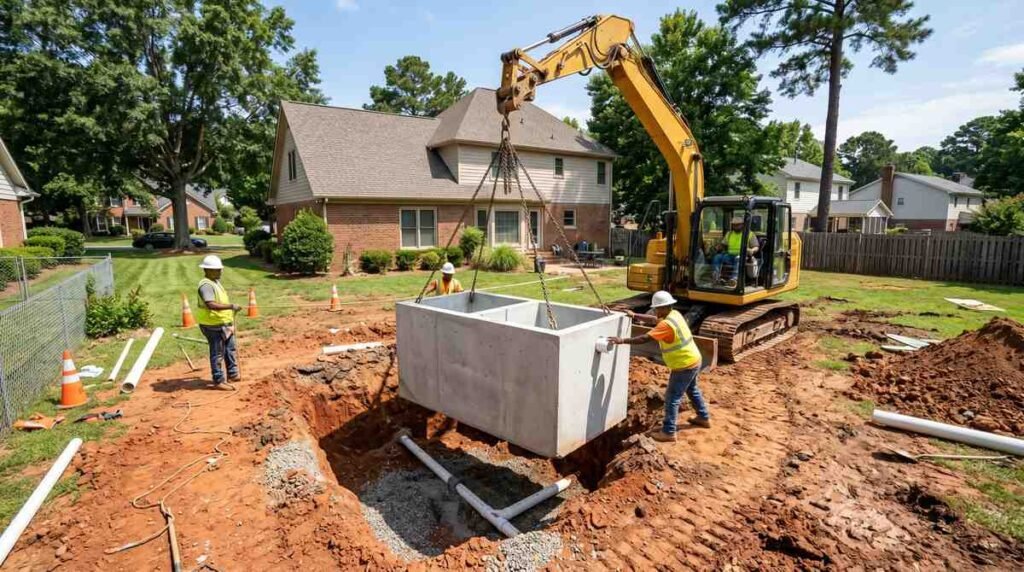
4. Land Preparation and Excavation
The condition of your property affects installation complexity.
- Sloped land may require additional grading
- Tree removal can add to costs
- Limited access for equipment may increase labor time
Proper site preparation is essential for a successful installation.
5. Permits and Local Regulations
Obtaining permits is a necessary step in the process.
Costs vary by location, but permits, inspections, and compliance with local health department regulations can add to the overall expense.
Working with professionals ensures all legal requirements are met.
6. Labor Costs
Labor is a significant portion of the total cost.
Experienced contractors may charge more, but their expertise ensures proper installation and reduces the risk of future problems.
Hiring qualified professionals is always a worthwhile investment.
7. Materials and Equipment
The quality and type of materials used also impact costs.
Concrete tanks are durable but more expensive, while plastic tanks are more affordable but may have a shorter lifespan.
Advanced filtration systems and pumps can also increase the total price.
8. Drain Field Design
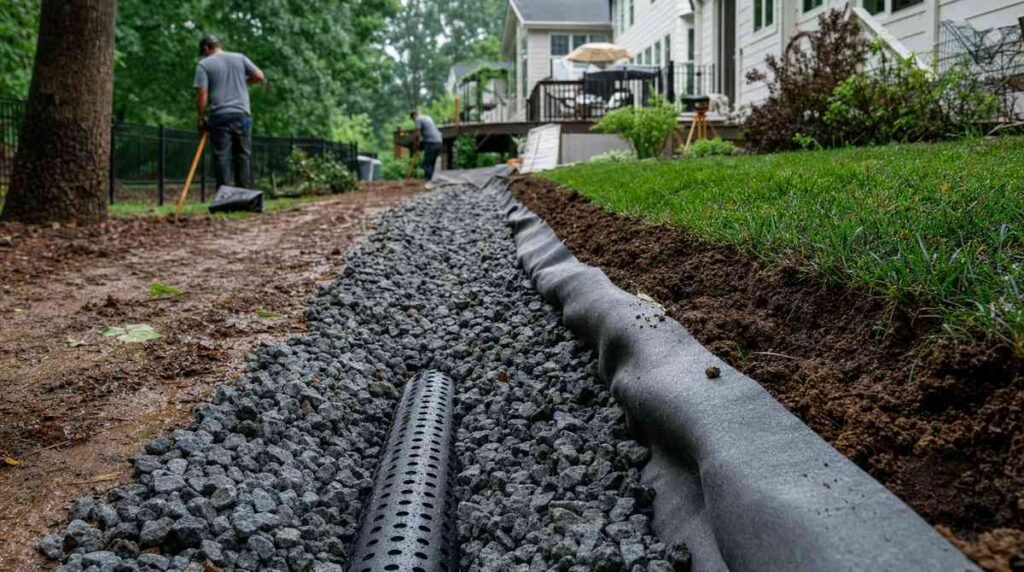
The drain field is a crucial component of the system.
Its size and design depend on soil conditions and household usage. Complex designs require more materials and labor, increasing costs.
Proper design ensures effective wastewater treatment and long-term reliability.
9. Accessibility of the Site
If your property is difficult to access, installation becomes more challenging.
Narrow spaces, steep terrain, or remote locations may require specialized equipment, which can increase costs.
10. Maintenance Considerations
While not part of the initial installation cost, maintenance plays a role in long-term expenses.
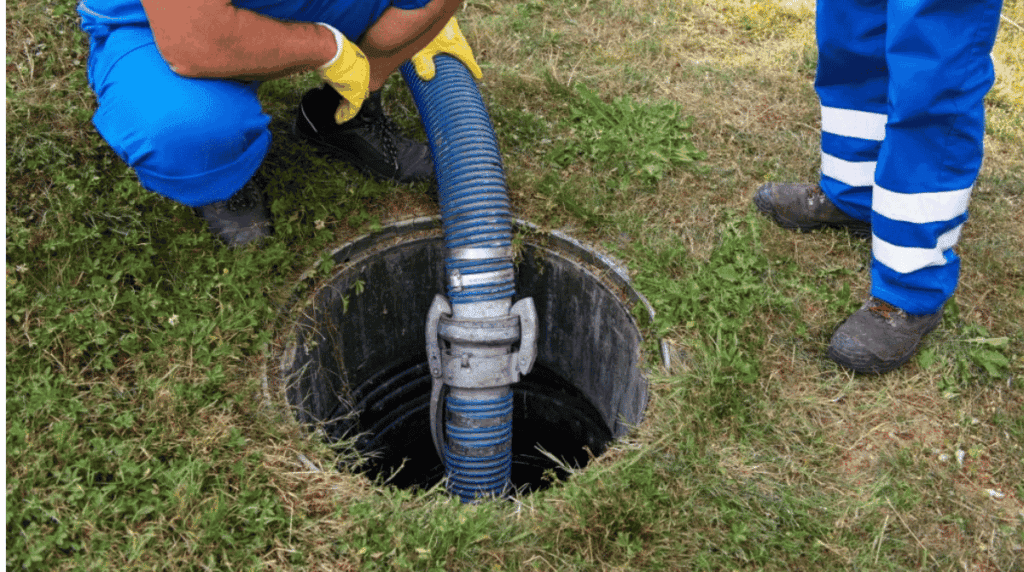
Regular pumping, inspections, and minor repairs are necessary to keep the system functioning properly.
Investing in quality installation can reduce maintenance costs over time.
Additional Costs to Consider
Beyond the main factors, there are other potential expenses:
- Soil testing and surveys
- Landscaping restoration
- Utility line adjustments
- Inspection fees
Planning for these costs helps you avoid surprises during the project.
Ways to Save on Installation Costs
Compare Multiple Quotes
Getting estimates from different contractors helps you find competitive pricing.
Choose the Right System
Selecting a system that fits your property avoids unnecessary expenses.
Maintain Your System
Proper maintenance prevents costly repairs and extends the system’s lifespan.
Plan Ahead
Scheduling installation during off-peak seasons may reduce labor costs.
Importance of Professional Installation
Installing a septic system is not a DIY project.
Professional contractors have the expertise, equipment, and knowledge to handle complex installations safely and efficiently. They also ensure compliance with local regulations, reducing the risk of fines or system failure.
Environmental Impact of Septic Systems
A properly installed system protects the environment by treating wastewater effectively.
Poor installation or maintenance can lead to contamination of groundwater and nearby water sources. Investing in quality installation helps safeguard your property and the environment.
Signs You May Need a New Septic System
If you already have a system, watch for these warning signs:
- Slow drains or backups
- Unpleasant odors
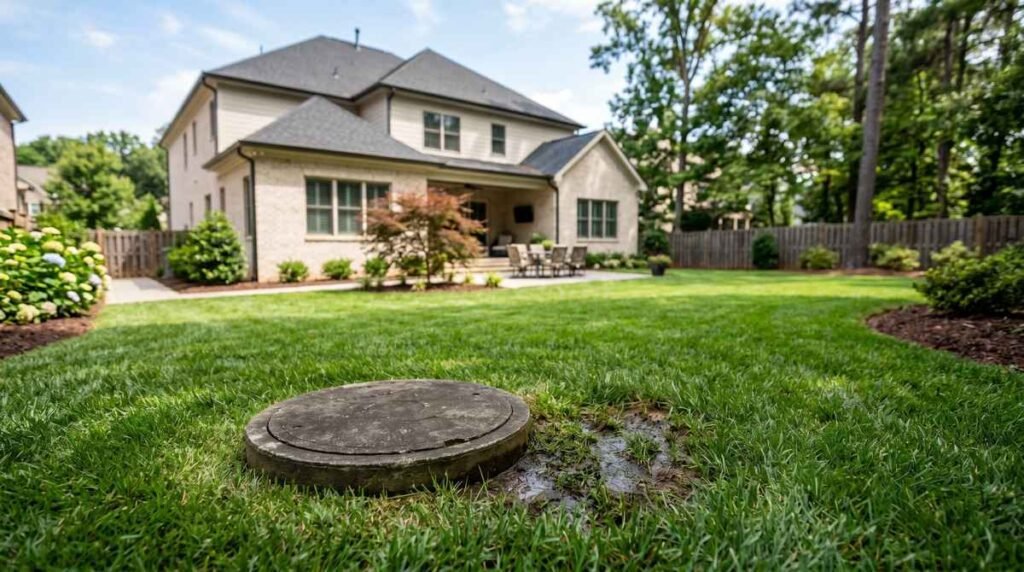
- Standing water near the drain field
- Lush grass growth in specific areas
These issues may indicate the need for replacement or major repairs.
Long-Term Value of a Septic System
While the initial cost may seem high, a well-installed system provides long-term benefits:
- Reliable wastewater management
- Increased property value
- Reduced environmental impact
- Lower long-term maintenance costs
Proper installation ensures your system performs efficiently for decades.
Frequently Asked Questions (FAQs)
1. How long does septic system installation take?
Most installations take 2 to 5 days, depending on site conditions and system complexity.
2. What is a percolation test?
It’s a soil test that determines how quickly water drains, helping decide the type of system needed.
3. Can I install a septic system myself?
No, professional installation is required to meet safety and legal standards.
4. How often should a septic tank be pumped?
Typically every 3 to 5 years, depending on usage.
5. What is the lifespan of a septic system?
With proper maintenance, systems can last 20 to 40 years.
Conclusion
Understanding the factors that influence septic system installation costs allows homeowners to plan effectively and make informed decisions. From soil conditions and system type to labor and permits, every element plays a role in determining the final price. Investing in professional installation ensures reliability, safety, and long-term performance.
For expert guidance and dependable service, ProSite and Septic provides professional solutions tailored to your property’s unique needs, helping you achieve a reliable and efficient wastewater system.