A properly functioning septic system is one of the most important parts of any home that isn’t connected to a municipal sewer line. Unfortunately, many homeowners forget about their septic tank until a problem arises. By then, unpleasant odors, slow drains, sewage backups, and expensive repairs may already be unavoidable.
Routine septic pumping is one of the easiest and most affordable ways to protect your property. Whether you own a new home or have relied on a septic system for years, regular maintenance helps keep everything operating efficiently while reducing the risk of major failures.
If you’re a homeowner in Charlotte, NC, understanding when and why your septic tank should be pumped can help you avoid unexpected expenses and extend the lifespan of your entire wastewater system.

Why Routine Septic Pumping Matters
Every time you use your sinks, toilets, washing machine, or shower, wastewater flows into your septic tank. Inside the tank, solids settle to the bottom while oils and grease float to the top. The partially treated liquid then moves into the drain field for further filtration.
Over time, the layer of sludge grows thicker. If it isn’t removed regularly, solid waste can overflow into the drain field, leading to severe damage that often requires complete system replacement.
Routine pumping helps by:
- Preventing sewage backups
- Reducing unpleasant odors
- Improving drainage throughout the home
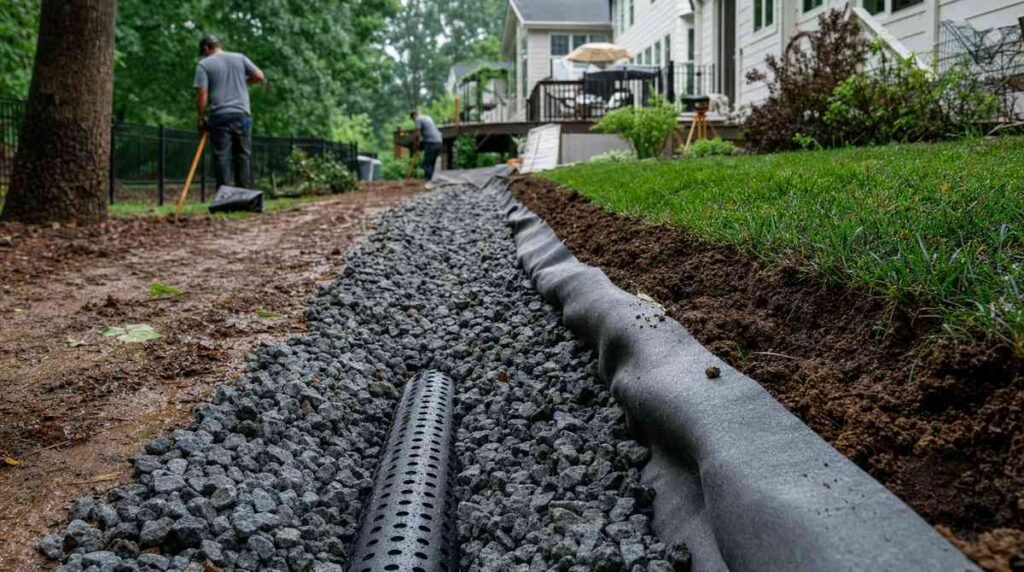
- Protecting the drain field
- Extending septic system life
- Lowering long-term maintenance costs
A small investment in preventive maintenance today can save thousands of dollars in future repair bills.
How Often Should a Septic Tank Be Pumped?
There is no universal schedule because every household uses water differently. However, most residential septic tanks should be pumped every three to five years.
Several factors influence the ideal pumping interval:
Household Size
More people generate more wastewater. Larger families typically require more frequent maintenance.
Tank Capacity
Smaller tanks fill faster than larger systems.
Daily Water Usage
Frequent laundry, long showers, and excessive water consumption increase the workload on your septic tank.
Garbage Disposal Usage
Food waste adds extra solids that accumulate more quickly inside the tank.
Age of the System
Older systems often require closer monitoring and more regular maintenance.
A professional inspection can determine the best schedule based on your home’s specific needs.
Warning Signs Your Septic Tank Needs Pumping
Waiting until your septic system fails can lead to expensive damage. Instead, watch for these early warning signs.
Slow Drains
If multiple sinks, tubs, or showers drain slowly, your septic tank may be reaching capacity.
Gurgling Pipes
Strange sounds coming from plumbing fixtures often indicate restricted wastewater flow.
Sewage Odors
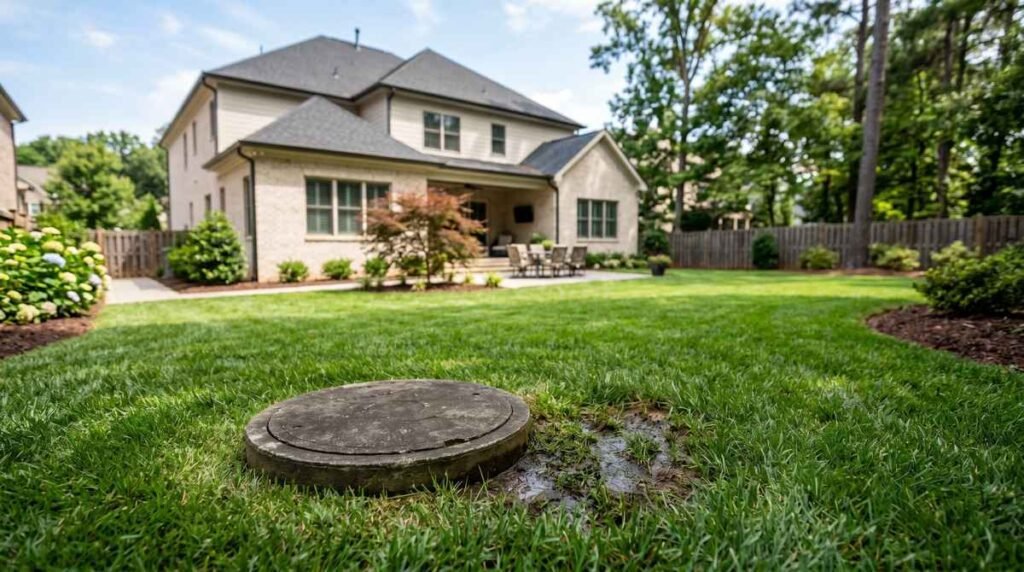
Persistent odors near drains, your yard, or around the septic tank are signs that maintenance is overdue.
Standing Water
Wet areas around your drain field may indicate wastewater is no longer flowing properly.
Lush Green Grass
Unusually green patches over the septic system can suggest wastewater leakage.
Toilet Backups
Frequent toilet backups are one of the clearest indicators that your septic tank requires immediate attention.
Ignoring these symptoms can result in significant system damage.
Benefits of Preventive Septic Maintenance
Routine pumping offers more than just cleaner plumbing. It provides long-term protection for your home’s wastewater infrastructure.
Prevent Expensive Repairs
Drain field replacement is one of the costliest septic repairs. Removing accumulated sludge helps prevent solids from reaching the drain field.
Extend Equipment Life
Regular maintenance reduces strain on tanks, pipes, and distribution components.
Improve Household Health
Proper wastewater treatment reduces harmful bacteria and contamination risks.
Protect Property Value
A well-maintained septic system is attractive to future buyers and helps avoid inspection issues during a home sale.
Support Environmental Protection
Properly functioning septic systems help prevent groundwater contamination and protect nearby streams and lakes.
Common Habits That Damage Septic Systems
Many homeowners unknowingly shorten the life of their septic system through everyday habits.
Avoid flushing:
- Baby wipes
- Paper towels
- Feminine hygiene products
- Cotton swabs
- Dental floss
- Diapers
Never pour into drains:
- Grease
- Cooking oil
- Paint
- Chemicals
- Solvents
- Harsh cleaners
Also avoid:
- Parking vehicles over the drain field
- Planting large trees near the septic system
- Overloading the system with excessive water usage
Small changes in daily habits can significantly improve septic performance.
Seasonal Septic Care Tips for Charlotte Homeowners
Charlotte experiences heavy rainfall throughout much of the year, making seasonal maintenance especially important.
Spring
Inspect for standing water after heavy rains and schedule pumping if needed.
Summer
Higher household activity often increases water usage. Monitor drains for early warning signs.
Fall
Clear leaves and debris from septic access points while checking for surface drainage problems.
Winter
Reduce excessive water use during holidays when additional guests place more demand on the system.
Consistent seasonal inspections help identify issues before they become emergencies.
Professional Septic Pumping Process
Many homeowners wonder what happens during a routine pumping appointment.
A professional service generally includes:
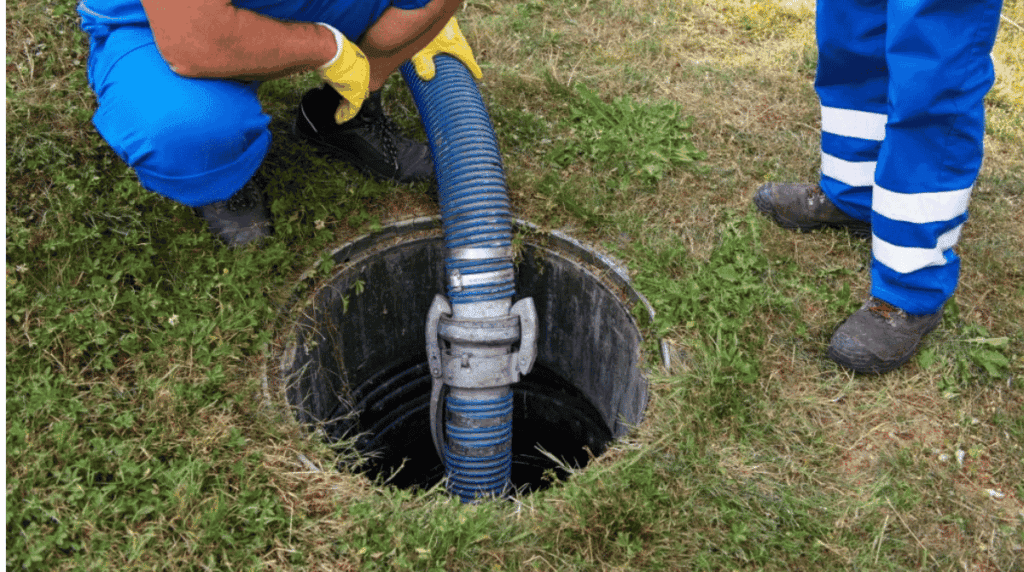
- Locating and opening the septic tank
- Measuring sludge and scum levels
- Removing accumulated waste
- Inspecting the tank for cracks or leaks
- Checking inlet and outlet baffles
- Identifying signs of future problems
- Replacing lids securely
- Providing maintenance recommendations
The process is usually completed within a few hours and helps ensure your system continues operating efficiently.
Why Professional Service Is Essential
Some maintenance tasks can be performed by homeowners, but septic pumping should always be left to trained professionals.
Experienced technicians have specialized equipment that safely removes waste without damaging the tank. They can also identify early signs of structural damage, leaks, root intrusion, or drain field problems before they become major repairs.
Professional inspections provide peace of mind while helping homeowners avoid unexpected emergencies.
Tips to Keep Your Septic System Healthy
Following a few simple maintenance practices can maximize your septic system’s lifespan.
- Schedule regular pumping.
- Fix plumbing leaks promptly.
- Spread laundry loads throughout the week.
- Conserve household water.
- Avoid flushing non-biodegradable items.
- Keep accurate maintenance records.
- Schedule routine inspections.
- Protect the drain field from heavy traffic.
Preventive care is always more affordable than emergency repairs.
Conclusion
Routine septic pumping is one of the smartest investments homeowners can make to protect their property. Regular maintenance helps prevent backups, preserves your drain field, improves system efficiency, and reduces costly repairs over time. By recognizing warning signs early and following recommended maintenance schedules, homeowners in Charlotte can enjoy dependable wastewater treatment for many years. For trusted septic maintenance and expert pumping services, Pro Site & Septic provides reliable solutions tailored to your home’s needs.
FAQs
1. How often should I schedule septic pumping?
Most homes need pumping every three to five years, depending on household size, water usage, and tank capacity.
2. What are the signs my septic tank is full?
Slow drains, sewage odors, standing water, gurgling pipes, and toilet backups are common warning signs.
3. Can routine pumping prevent septic system failure?
Yes. Regular pumping removes accumulated sludge before it damages the drain field or causes wastewater backups.
4. Is septic pumping messy or disruptive?
No. Professional technicians use specialized equipment to remove waste safely with minimal disruption to your property.
5. What should never be flushed into a septic system?
Avoid flushing wipes, paper towels, grease, chemicals, feminine hygiene products, diapers, and other non-biodegradable materials.