
A septic system is one of the most important parts of a home that many property owners rarely think about until a problem appears. When everything works correctly, wastewater leaves the house, moves into the septic tank, and flows through the drain field without causing any issues. However, poor property drainage can quietly disrupt this process and lead to expensive septic failures.
In Charlotte and surrounding areas, changing weather conditions, heavy rainfall, clay-rich soils, and improper yard grading often create drainage challenges that directly affect septic performance. Water pooling in yards, oversaturated soil, and runoff problems may seem like landscaping concerns at first, but they frequently become septic issues if ignored.
Understanding how drainage affects septic systems helps homeowners protect their investment, avoid costly repairs, and maintain long-term system performance.

Understanding How a Septic System Works
Before discussing drainage problems, it helps to understand the basic function of a septic system.
A standard residential septic system generally includes:
- Septic tank
- Distribution box
- Drain field or leach field
- Soil filtration area
Wastewater from sinks, toilets, showers, and appliances enters the septic tank. Solids settle at the bottom while oils and lighter materials float to the top. The partially treated water then moves into the drain field where soil filters and absorbs it.
For the system to function properly, the surrounding soil must maintain a balance between moisture and absorption. Too little moisture is usually not a concern, but excessive water around the system creates serious problems.
That is where drainage becomes critical.
Why Property Drainage Matters for Septic Systems
Property drainage controls how water moves across and through a yard.
When drainage works correctly:
- Rainwater moves away from structures
- Surface water flows into proper channels
- Soil maintains healthy moisture levels
- Septic components remain stable
Poor drainage creates the opposite effect.
Water begins collecting around:
- Drain fields
- Septic tanks
- Distribution lines
- Yard depressions
- Foundation edges
Excess moisture prevents soil from processing wastewater efficiently.
When the drain field becomes saturated, wastewater has nowhere to go.
Eventually, homeowners may experience:
- Slow drains
- Sewage odors
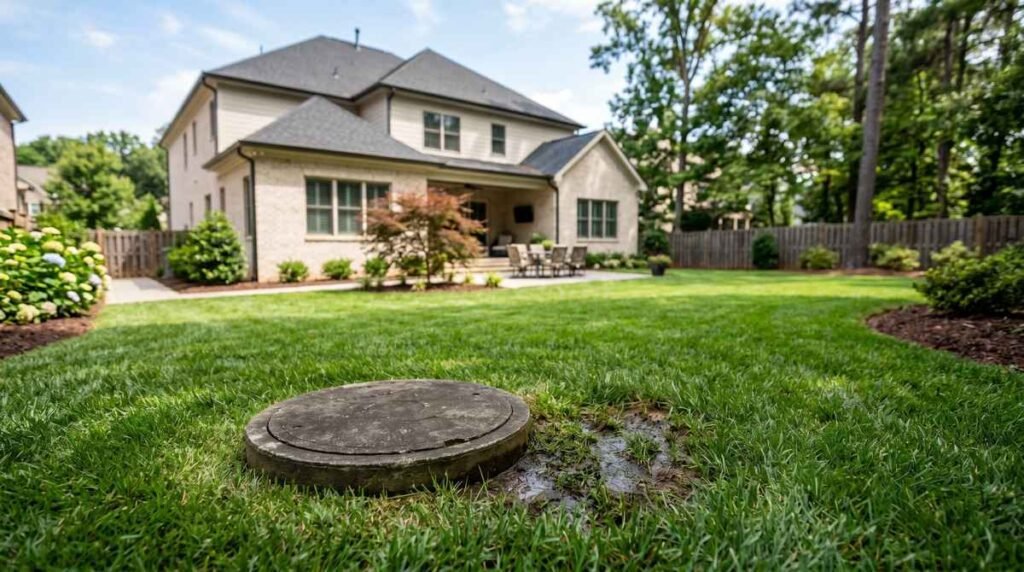
- Wet spots in yards
- Backups inside the home
- System overload
These symptoms often appear gradually, which is why drainage issues can go unnoticed for months.
Common Drainage Problems That Damage Septic Systems
1. Improper Yard Grading
Grading refers to the slope of the property.
A yard should guide water away from buildings and septic areas.
If the property slopes toward the septic field, rainwater repeatedly collects around the system.
Common grading issues include:
- Flat yards with little runoff movement
- Depressions around drain fields
- Soil settlement over time
- Incorrect landscaping changes
- Poor construction preparation
Even small grading mistakes can redirect thousands of gallons of rainwater annually.
Over time, saturated conditions reduce soil absorption and place stress on the septic system.
2. Standing Water and Yard Pooling
After storms, some homeowners notice puddles remaining for days.
Standing water usually indicates:
- Compacted soil
- Poor drainage routes
- Low elevations
- Inadequate runoff control
When water remains near the septic area, oxygen levels in soil decrease.
Healthy septic treatment depends partly on aerobic activity within the soil. Excess water reduces this activity and slows wastewater treatment.
Persistent pooling may eventually cause:
- Drain field flooding
- Wastewater surfacing
- Pipe stress
- Soil instability
If water repeatedly appears over the drain field, immediate inspection is recommended.
3. Heavy Clay Soil Conditions
Charlotte-area properties often contain clay-heavy soil.
Clay presents unique challenges because it absorbs water slowly.
Problems associated with clay include:
- Reduced infiltration rates
- Longer water retention
- Increased runoff
- Saturation during storms
A septic system relies on surrounding soil to absorb and filter wastewater.
When clay stays wet for extended periods, the drain field may struggle to process incoming water efficiently.
Homeowners sometimes mistake these symptoms for a failing tank when the actual issue involves drainage and soil conditions.
4. Roof Runoff Directed Toward Septic Areas
Downspouts play a major role in property drainage.
Improper downspout placement sends large amounts of water toward septic components.
Consider how much water a roof sheds during a storm.
A moderate rainfall event can release hundreds or even thousands of gallons around the home.
If this runoff reaches the drain field:
- Soil becomes oversaturated
- Wastewater movement slows
- Drain field efficiency decreases
- Long-term damage may occur
Redirecting roof runoff is one of the easiest ways to protect septic systems.
5. Driveway and Hardscape Runoff
Concrete surfaces change how water behaves.
Driveways, patios, retaining walls, and walkways often redirect runoff unexpectedly.
Water that once spread naturally across the yard may suddenly flow directly toward septic zones.
Potential problems include:
- Accelerated erosion
- Water concentration near drain fields
- Soil compaction
- Drainage channel formation
Construction projects should always consider septic locations before altering grading patterns.
Warning Signs That Poor Drainage Is Affecting Your Septic System
Drainage problems usually show warning signs before total failure occurs.
Homeowners should watch for:
Slow Interior Drains
Sinks, tubs, and toilets draining slowly may indicate restricted wastewater movement.
Although clogs are possible, saturated drain fields frequently create similar symptoms.
Wet Areas Above the Drain Field
Soft ground, muddy patches, or unexplained moisture often indicate excessive water accumulation.
The area may remain wet even during dry weather.
Sewage Odors Outdoors
Unpleasant smells around the yard suggest wastewater may not be filtering properly.
Oversaturated soil can force gases upward.
Extra Green Grass
Grass growing faster above septic lines may indicate excess moisture.
While healthy lawns are normal, unusually lush patches deserve attention.
Gurgling Plumbing Sounds
Air trapped by slow wastewater movement may create bubbling or gurgling noises.
These sounds sometimes appear before backups occur.
Frequent Backups
Repeated plumbing issues often point toward larger system concerns rather than isolated clogs.
How Charlotte Weather Increases Septic Risks
Charlotte experiences varying rainfall patterns throughout the year.
Heavy storms create sudden water loads across residential properties.
During extended wet periods:
- Soil remains saturated longer
- Drain fields process less efficiently
- Surface runoff increases
- Yard drainage weaknesses become obvious
Hurricane remnants and seasonal downpours can add additional stress.
Older properties with outdated grading designs are especially vulnerable.
Even systems that function normally during dry months may struggle after repeated rain events.
This makes preventive drainage planning essential.
Prevention Strategies Homeowners Can Use
Improve Property Grading
Professional grading adjustments help redirect water away from septic zones.
Proper grading should:
- Move runoff away from structures
- Prevent water collection
- Maintain smooth drainage paths
- Protect drain fields
Minor elevation changes often produce major improvements.
Homeowners should avoid adding soil randomly without understanding flow patterns.
Improper changes may worsen drainage.
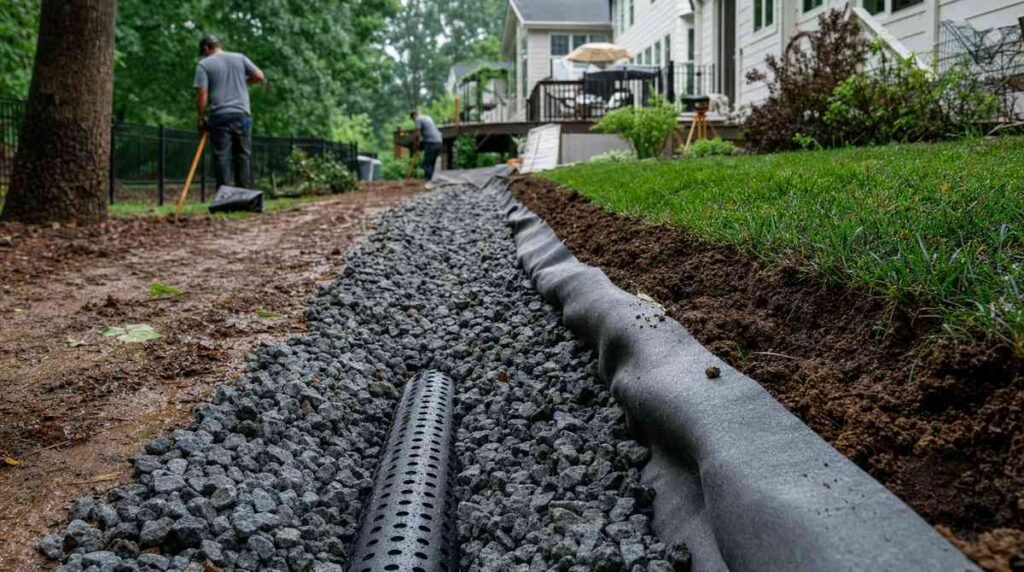
Install French Drains
French drains help capture and redirect groundwater.
These systems usually include:
- Gravel trenches
- Perforated piping
- Drain outlets
French drains work well when properties experience:
- Persistent wet spots
- Drain field runoff
- Side-yard pooling
- Water migration
Proper placement is important because incorrect installation may interfere with septic components.
Redirect Downspouts
Simple gutter changes often reduce water accumulation dramatically.
Recommended practices include:
- Extending downspouts
- Using splash blocks
- Diverting runoff away from drain fields
- Monitoring storm discharge areas
Roof water should never empty directly onto septic zones.
Protect the Drain Field Area
Many homeowners accidentally damage drain fields without realizing it.
Avoid:
- Parking vehicles
- Building sheds
- Installing patios
- Placing heavy equipment
- Excessive landscaping loads
Compaction reduces soil absorption and worsens drainage performance.
Keeping the area open preserves system efficiency.
Schedule Septic Inspections
Routine inspections identify small issues before major failures occur.
Professionals can evaluate:
- Tank condition
- Water levels
- Soil moisture
- Drain field performance
- Drainage patterns
Early detection often prevents expensive replacements.
Landscaping Choices That Help Septic Performance
Landscaping influences water movement more than many homeowners realize.
Good landscaping practices include:
Selecting Appropriate Plants
Choose shallow-root vegetation near septic areas.
Deep roots may damage lines or disrupt soil structure.
Suitable options often include:
- Native grasses
- Ground covers
- Low-root ornamental plants
Avoid large trees directly over septic systems.
Controlling Erosion
Erosion changes elevation and redirects runoff.
Methods for erosion control include:
- Mulching
- Ground cover installation
- Retaining features
- Vegetative stabilization
Maintaining soil stability protects both drainage and septic performance.
Creating Controlled Water Paths
Drainage swales help guide runoff safely.
These shallow channels move water away naturally.
When designed correctly, swales reduce pooling and protect drain fields.
The Cost of Ignoring Drainage Problems
Some homeowners delay drainage improvements because puddles seem harmless.
Unfortunately, septic failures become expensive quickly.
Potential costs may include:
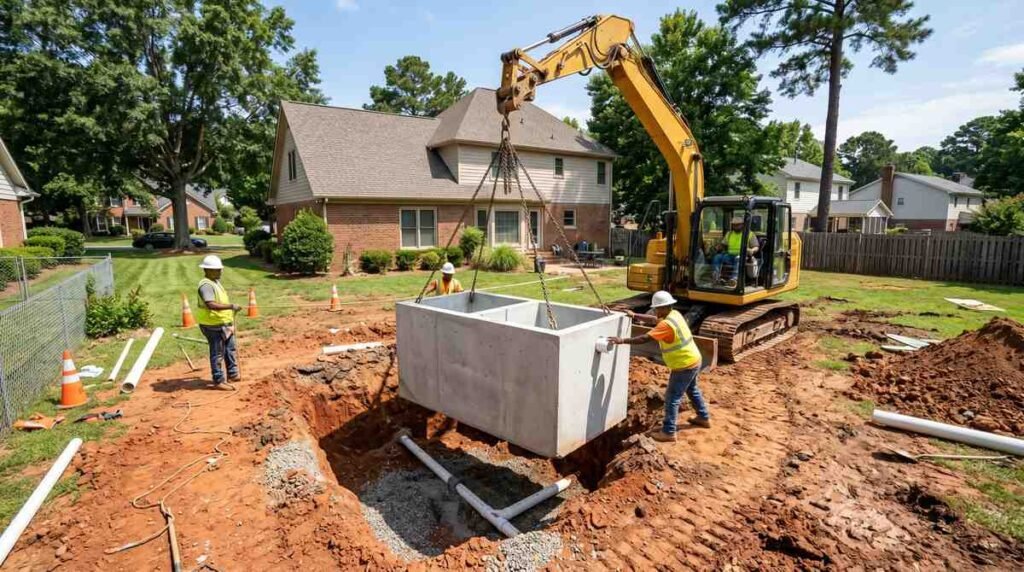
- Drain field replacement
- Tank repairs
- Excavation work
- Soil restoration
- Landscape repairs
- Interior cleanup after backups
Complete system replacements often cost far more than preventive drainage improvements.
Ignoring standing water today may lead to major construction tomorrow.
When to Call a Septic and Drainage Professional
Homeowners should seek professional help if they notice:
- Recurring wet spots
- Slow drains throughout the home
- Standing water after storms
- Sewage odors
- Repeated plumbing backups
- Erosion near septic areas
- Yard depressions around drain fields
A combined drainage and septic evaluation provides a clearer understanding of the issue.
Sometimes the septic system itself remains functional while drainage corrections solve the problem.
Other times, both systems require attention.
Professional assessments help determine the right solution.
Long-Term Maintenance Tips for Charlotte Homeowners
Protecting a septic system involves ongoing maintenance.
Consider these best practices:
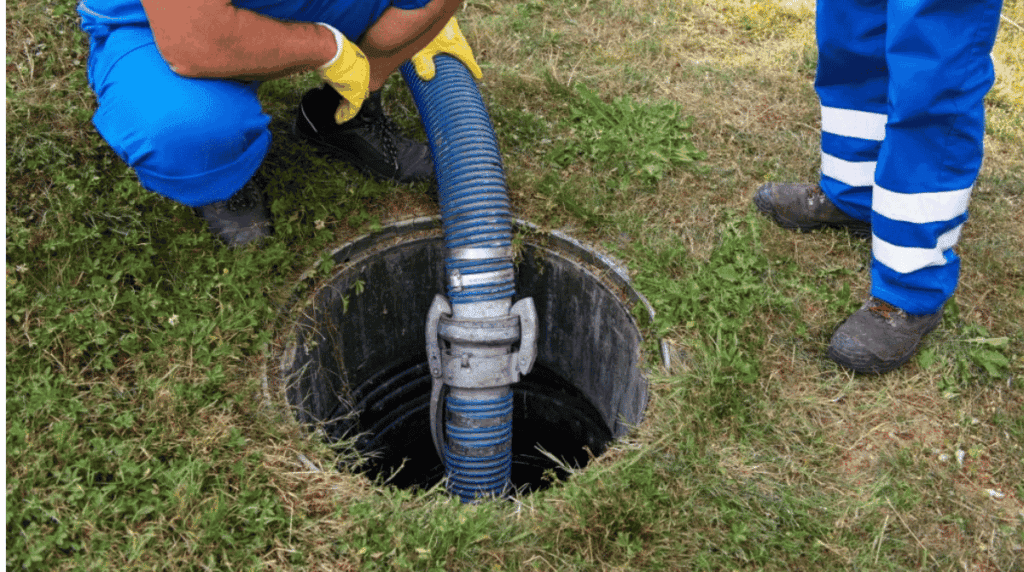
Pump Tanks Regularly
Routine pumping prevents solid buildup.
Follow recommended schedules based on:
- Household size
- Tank capacity
- Water usage
Monitor Water Use
Excess water entering the system increases pressure.
Reduce unnecessary use by:
- Fixing leaks
- Using efficient fixtures
- Spacing laundry loads
- Managing irrigation
Inspect After Major Storms
Heavy rain events may reveal new drainage issues.
Walk the property and check for:
- Pooling water
- Soil movement
- Sink areas
- Erosion
Early intervention keeps small problems manageable.
Maintain Gutters and Drainage Features
Blocked gutters cause overflow.
Keep:
- Gutters clean
- Downspouts functioning
- Drain outlets open
- Swales free of debris
Consistent maintenance supports healthy runoff movement.
Final Thoughts
Poor property drainage is one of the most overlooked causes of septic system failure. Water that pools around a drain field, oversaturates soil, or repeatedly floods septic components gradually reduces system performance and increases the risk of backups, odors, and expensive repairs.
Charlotte homeowners face unique challenges due to seasonal rainfall patterns, clay soils, and changing property grades. Fortunately, many drainage-related septic issues can be prevented through proper grading, runoff management, inspections, and landscaping improvements.
Addressing drainage problems early protects not only the septic system but also the overall health, value, and functionality of the property.
A proactive approach today can save homeowners significant repair costs and extend the life of their septic systems for many years to come.