
For many homeowners in Mooresville, North Carolina, a septic system is an essential part of daily life. Unlike properties connected to municipal sewer systems, homes with septic tanks rely on a private wastewater treatment system that must be properly maintained to function efficiently. While septic systems are designed to last for decades, neglecting routine maintenance can lead to expensive repairs, environmental hazards, and major disruptions to household activities.
One of the most important aspects of septic system maintenance is regular septic pumping. Unfortunately, many homeowners overlook this service until warning signs appear, often when significant damage has already occurred. Regular septic pumping is a simple preventive measure that can save thousands of dollars in repair costs and help ensure your septic system continues operating reliably for years to come.
This guide explains why septic pumping matters, how septic systems work, common causes of system failures, and how homeowners in Mooresville can protect their investment through proper maintenance.
Understanding How a Septic System Works
Before discussing the importance of pumping, it helps to understand the basic components of a septic system.
A typical residential septic system includes:
- Septic tank
- Distribution box
- Drain field (also called a leach field)
- Connecting pipes
When wastewater leaves your home from sinks, toilets, showers, washing machines, and dishwashers, it flows into the septic tank.
Inside the tank, waste separates into three layers:
Scum Layer
The top layer contains oils, grease, and floating materials.
Effluent Layer
The middle layer consists of partially treated liquid wastewater.
Sludge Layer
The bottom layer contains solid waste and organic matter that settles over time.
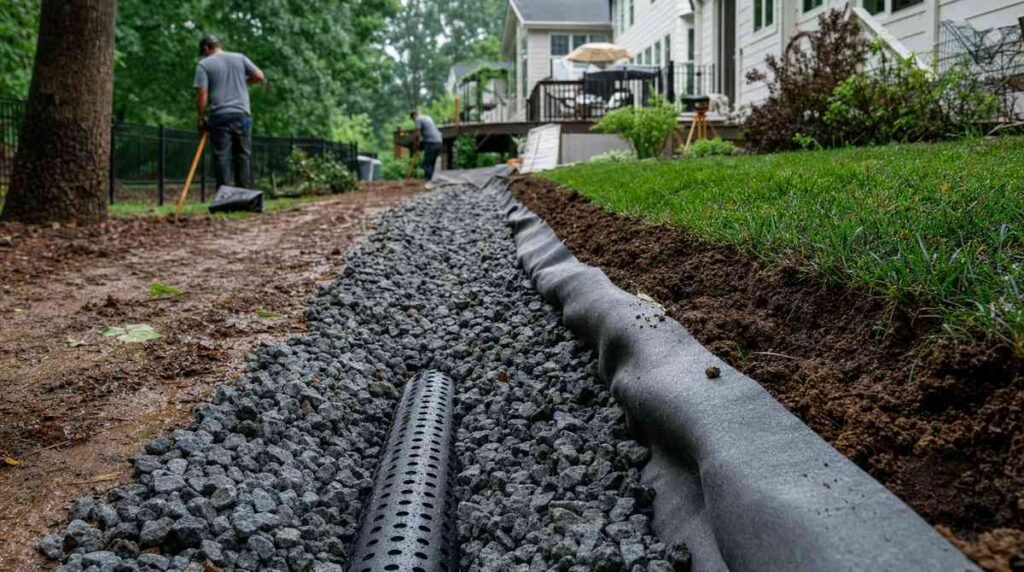
The liquid effluent flows out of the tank and into the drain field, where it is naturally filtered through soil before returning to the environment.
While bacteria inside the tank break down some waste materials, they cannot eliminate everything. Over time, sludge and scum accumulate and must be removed through professional pumping.
Why Septic Pumping Is Necessary
Every septic tank has a limited storage capacity.
As solids continue to build up, the available space inside the tank decreases. Eventually, excess solids can move into the drain field and cause severe damage.
Regular pumping removes accumulated sludge and scum before they reach dangerous levels.
Without pumping, homeowners risk:
- Sewage backups
- Drain field failure
- Pipe blockages
- Groundwater contamination
- Emergency repairs
- Complete system replacement
Routine pumping is far less expensive than addressing these major issues.
The High Cost of Septic System Failure
Many homeowners delay septic maintenance because the system appears to be functioning normally. However, septic problems often develop slowly and remain hidden underground until serious damage occurs.
Emergency Repairs
A neglected septic system can suddenly back up into sinks, showers, and toilets.
Emergency service calls often involve:
- Pumping
- Pipe cleaning
- Repairs
- Diagnostic inspections
These unexpected expenses can quickly add up.
Drain Field Damage
One of the most costly septic failures involves the drain field.
When excessive solids leave the septic tank, they can clog the soil surrounding drain field pipes.
Once a drain field becomes saturated or blocked, wastewater can no longer disperse properly.
Repairing or replacing a drain field may cost several thousand dollars and often requires extensive excavation.
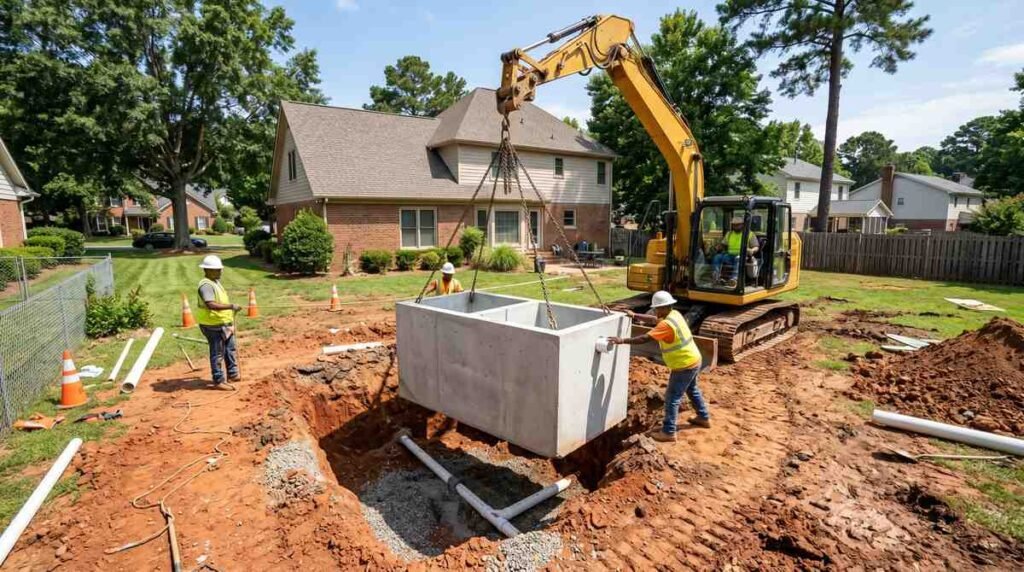
Full Septic System Replacement
In severe cases, homeowners may need to replace the entire septic system.
Factors influencing replacement costs include:
- Property size
- Soil conditions
- System design
- Permit requirements
- Excavation work
A complete replacement can become one of the most expensive home maintenance projects a homeowner will ever face.
How Regular Pumping Prevents Major Problems
Routine septic pumping removes accumulated waste before it creates serious complications.
Prevents Tank Overflows
As sludge levels rise, wastewater has less room inside the tank.
Regular pumping restores storage capacity and prevents overflow conditions.
Protects the Drain Field
Keeping solids inside the septic tank is essential.
Pumping removes excess sludge before it escapes into the drain field, helping preserve the system’s most valuable component.
Reduces Risk of Sewage Backups
Few household emergencies are as unpleasant as sewage backing up into the home.
Regular pumping helps maintain smooth wastewater flow and minimizes the likelihood of blockages.
Extends System Lifespan
A properly maintained septic system can often last 20 to 40 years or longer.
Routine pumping is one of the simplest ways to maximize the lifespan of your investment.
Recommended Septic Pumping Frequency
There is no one-size-fits-all pumping schedule.
Several factors determine how often a septic tank should be serviced.
Household Size
More people generate more wastewater and solid waste.
Larger households typically require more frequent pumping.
Tank Capacity
Smaller tanks fill more quickly than larger tanks.
A professional inspection can help determine whether your tank size is adequate for your home’s occupancy.
Water Usage Habits
Heavy water usage accelerates waste accumulation.
Common contributors include:
- Long showers
- Frequent laundry loads
- High-capacity tubs
- Large families
Garbage Disposal Usage
Garbage disposals add significant amounts of food waste to septic tanks.
Homes that frequently use garbage disposals often require more frequent pumping.
General Guidelines
Most residential septic tanks should be pumped every three to five years.
However, some households may benefit from more frequent service depending on usage patterns and system size.
A professional septic contractor can recommend an appropriate maintenance schedule based on your specific system.
Warning Signs Your Septic Tank Needs Pumping
Even with a maintenance schedule in place, homeowners should remain alert for potential warning signs.
Slow Drains
If sinks, tubs, or showers drain slowly throughout the house, the septic tank may be nearing capacity.
Gurgling Pipes
Unusual sounds from plumbing fixtures often indicate restricted wastewater flow.
Sewage Odors
Persistent sewage smells inside or outside the home should never be ignored.
These odors may signal a full tank or developing system problem.
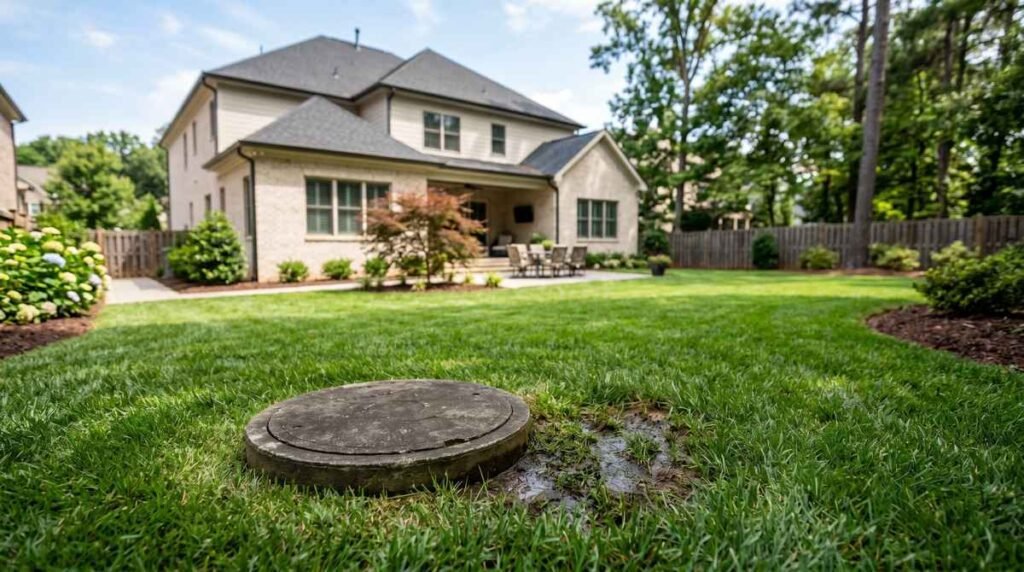
Standing Water
Pooled water near the drain field can indicate wastewater is no longer being properly absorbed.
Unusually Green Grass
While healthy grass is desirable, patches of exceptionally lush growth near the septic area may suggest wastewater leakage.
Sewage Backups
Any sewage backup requires immediate professional attention and often indicates serious septic system issues.
Common Septic System Mistakes That Lead to Failure
Many costly septic failures result from avoidable homeowner habits.
Flushing Non-Biodegradable Items
Items that should never enter a septic system include:
- Baby wipes
- Paper towels
- Feminine hygiene products
- Cotton swabs
- Dental floss
Even products labeled “flushable” can contribute to clogs.
Pouring Grease Down Drains
Grease and cooking oils solidify over time and create blockages inside septic tanks and pipes.
Excessive Water Use
Overloading the system with water can reduce treatment efficiency and place unnecessary stress on the drain field.
Ignoring Maintenance
Skipping routine pumping remains one of the leading causes of septic system failure.
Driving Over the Drain Field
Vehicles and heavy equipment can compact soil and damage underground pipes.
Seasonal Considerations for Mooresville Homeowners
Mooresville experiences varying weather conditions throughout the year that can impact septic systems.
Heavy Rainfall
Periods of substantial rainfall may saturate soil surrounding the drain field.
When the ground becomes overly saturated, wastewater may struggle to disperse effectively.
Regular maintenance helps reduce additional strain during wet conditions.
Summer Gatherings
Many homeowners host guests during warmer months.
Additional visitors increase water usage and wastewater production, potentially accelerating tank filling.
Scheduling pumping before large gatherings can help avoid unexpected problems.
Property Sales and Inspections
Mooresville’s active housing market often involves septic inspections during home sales.
Maintaining a documented pumping history can reassure buyers and help transactions proceed more smoothly.
Environmental Benefits of Regular Septic Pumping
Routine septic maintenance protects more than just your home.
It also helps safeguard the surrounding environment.
Groundwater Protection
Failing septic systems can release untreated wastewater into nearby groundwater supplies.
Proper pumping reduces contamination risks.
Surface Water Protection
Lakes, streams, and other water sources can be affected by leaking or malfunctioning septic systems.
Responsible maintenance supports cleaner local waterways.
Public Health Protection
Untreated sewage contains harmful bacteria and pathogens.
Preventing septic failures helps protect families, neighbors, and communities from potential health hazards.
What Happens During a Professional Septic Pumping Service?
Many homeowners are unsure what to expect during a pumping appointment.
A professional service typically includes:
Tank Location and Access
Technicians locate and uncover access ports if necessary.
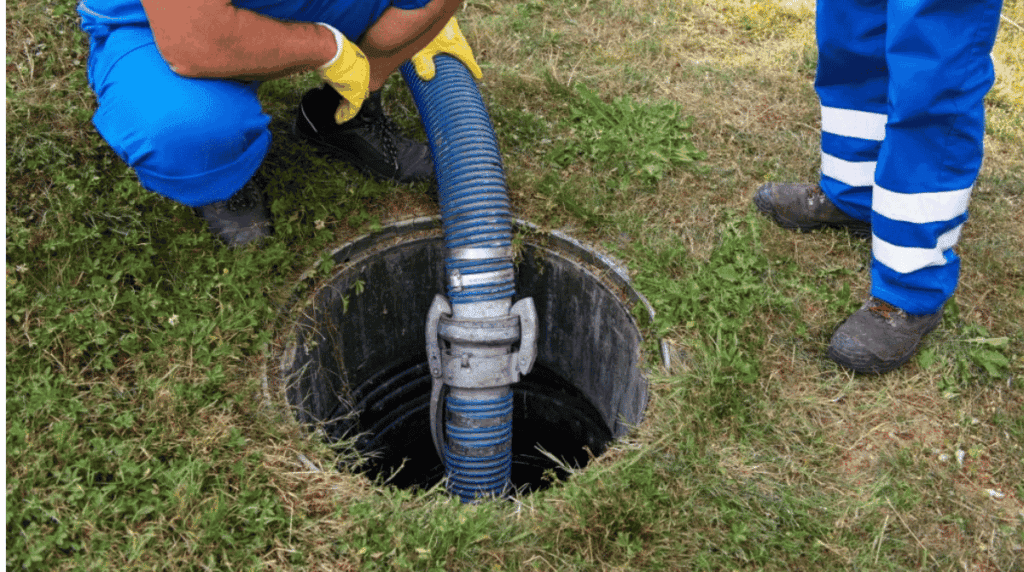
Waste Removal
Specialized vacuum equipment removes sludge, scum, and wastewater from the tank.
Visual Inspection
The technician evaluates the tank’s condition and identifies potential concerns.
Component Assessment
Key components such as baffles and inlet/outlet pipes may be inspected for wear or damage.
Maintenance Recommendations
Homeowners receive guidance regarding future pumping schedules and any necessary repairs.
The process is generally straightforward and can provide valuable insight into the health of the system.
Why Preventive Maintenance Saves Money
Some homeowners view septic pumping as an unnecessary expense until problems arise.
In reality, preventive maintenance is one of the most cost-effective investments a homeowner can make.
Routine pumping:
- Prevents emergency repairs
- Reduces risk of drain field failure
- Extends system lifespan
- Protects property value
- Minimizes environmental risks
- Helps avoid costly replacements
Compared to the expense of replacing a drain field or entire septic system, regular pumping is a relatively small investment that delivers significant long-term savings.
Choosing a Professional Septic Service Provider in Mooresville
Not all septic service companies offer the same level of expertise.
When selecting a provider, homeowners should look for:
- Experience with local septic systems
- Proper licensing and certifications
- Positive customer reviews
- Transparent pricing
- Comprehensive inspections
- Knowledge of local regulations
Working with a trusted septic professional ensures maintenance is performed correctly and helps identify potential issues before they become major problems.
Final Thoughts
A septic system is one of the most important yet often overlooked components of a home. Because much of the system operates underground, problems can develop unnoticed until they become expensive emergencies. Fortunately, regular septic pumping provides a simple and effective way to prevent many of the most common causes of system failure.
For homeowners in Mooresville, NC, routine septic maintenance helps protect property value, extend system lifespan, avoid costly repairs, and support environmental health. By following a consistent pumping schedule and addressing warning signs promptly, homeowners can enjoy reliable septic performance for decades while avoiding the substantial costs associated with neglected systems.
Investing in regular septic pumping today can save thousands of dollars tomorrow and provide peace of mind knowing your home’s wastewater system is functioning safely and efficiently.