For homeowners in Charlotte, North Carolina, maintaining a properly functioning septic system is essential for protecting property value, ensuring household safety, and avoiding expensive repairs. While many homeowners focus on visible aspects of home maintenance, the septic system often remains out of sight and out of mind until a problem develops. Unfortunately, waiting until warning signs appear can result in costly damage and significant inconvenience.
Professional septic inspections and diagnostics play a critical role in identifying potential issues before they become major problems. Whether you’re purchasing a home, preparing to sell, or simply maintaining your property, routine evaluations help ensure your wastewater system operates efficiently and complies with local regulations.
In this guide, we’ll explore the importance of septic inspections, common system problems, diagnostic methods, and why Charlotte homeowners should prioritize regular maintenance.
Why Septic Inspections Matter
A septic system is responsible for treating and disposing of wastewater generated by your household. When functioning properly, it safely processes waste underground without causing health or environmental concerns.
However, problems can develop gradually over time due to age, usage patterns, soil conditions, and lack of maintenance.
Regular inspections help:
- Detect hidden issues early
- Prevent unexpected failures
- Protect groundwater quality
- Extend system lifespan
- Reduce repair costs
- Support real estate transactions
- Ensure regulatory compliance
Professional evaluations provide peace of mind and help homeowners avoid emergency situations.
Understanding How a Septic System Works
Before discussing inspections, it’s helpful to understand the basic components of a septic system.
A typical residential system includes:
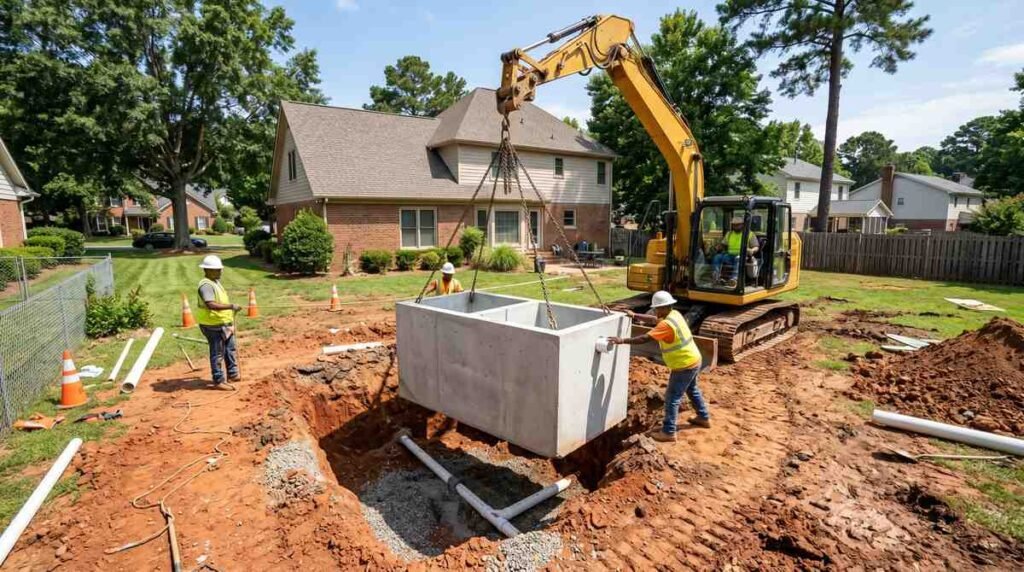
Septic Tank
The tank collects wastewater from the home and separates solids from liquids.
Distribution Box
This component distributes treated wastewater evenly throughout the drain field.
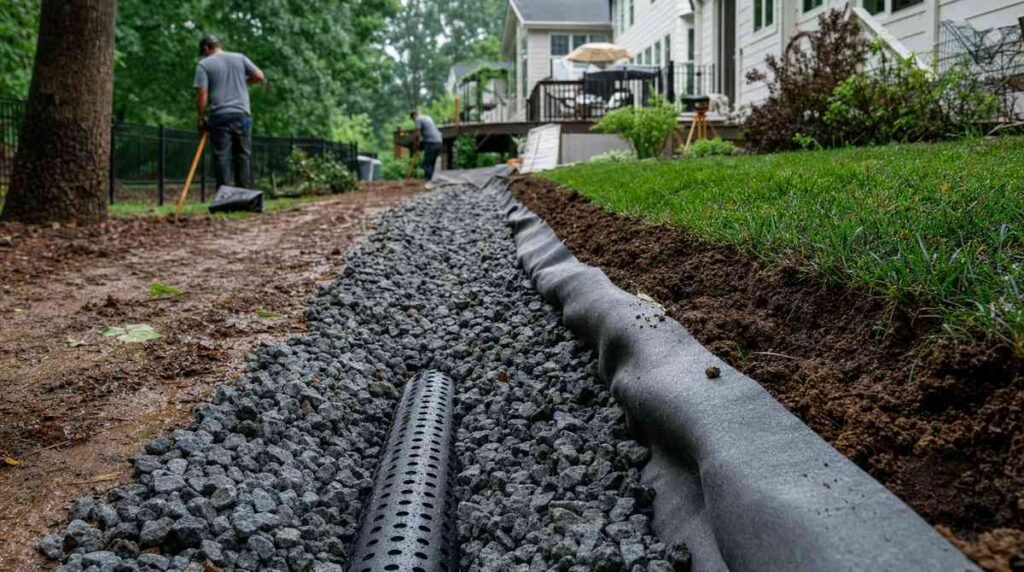
Drain Field
Also known as a leach field, this area allows wastewater to filter naturally through soil.
Connecting Pipes
Pipes transport wastewater between the home, tank, and drain field.
Each component must function correctly for the system to operate efficiently.
Common Septic Problems Found During Inspections
Professional inspections frequently uncover issues that homeowners may not immediately notice.
Excessive Sludge Accumulation
Over time, solid waste accumulates inside the tank.
Without routine pumping, sludge can:
- Reduce system capacity
- Cause backups
- Damage the drain field
- Increase repair costs
Cracked or Damaged Tanks
Concrete, fiberglass, and plastic tanks can develop structural damage due to age, shifting soil, or external pressure.
Cracks may allow wastewater to leak into surrounding soil or groundwater.
Drain Field Saturation
When wastewater is not properly absorbed, the drain field can become saturated.
Common causes include:
- Soil compaction
- Excessive water usage
- Poor drainage
- System overload
Pipe Blockages
Clogs within the system can restrict wastewater flow and increase pressure throughout the network.
Root Intrusion
Tree roots are a common cause of septic damage in residential properties.
Roots can invade pipes and obstruct wastewater movement, leading to costly repairs if left untreated.
Signs You May Need a Septic Inspection
Homeowners should schedule an inspection immediately if they notice any warning signs.
Slow Drains
Multiple slow-draining fixtures throughout the home often indicate septic-related issues rather than simple plumbing clogs.
Sewage Odors
Unpleasant smells around drains, the yard, or near the tank area should never be ignored.
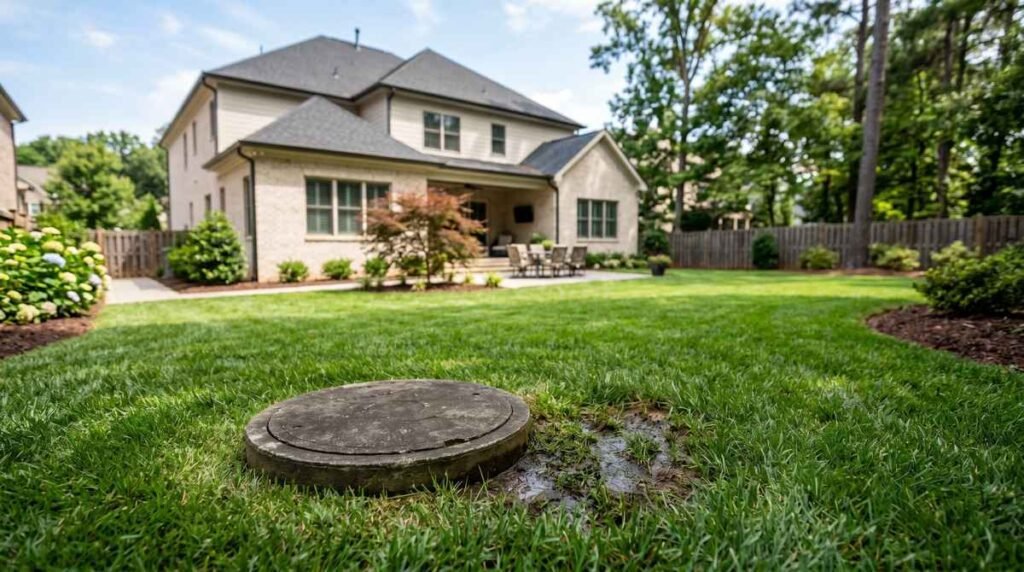
Standing Water
Wet spots near the drain field may signal drainage problems or system failure.
Frequent Backups
Wastewater backing up into sinks, showers, or toilets requires immediate professional evaluation.
Lush Green Grass
Excessively green vegetation near the drain field can indicate leaking wastewater.
Septic Inspections for Home Buyers
A septic inspection is one of the most important steps during a real estate transaction.
Many buyers focus on:
- Roofing
- Electrical systems
- HVAC equipment
- Structural components
However, overlooking the septic system can lead to unexpected expenses after closing.
Benefits for Buyers
A professional inspection helps buyers:
- Understand system condition
- Identify necessary repairs
- Estimate future maintenance costs
- Avoid purchasing a failing system
Benefits for Sellers
Sellers can benefit by addressing issues before listing a property, reducing the likelihood of delays during negotiations.
What Happens During a Septic Inspection?
A thorough inspection evaluates multiple aspects of the wastewater system.
Visual Assessment
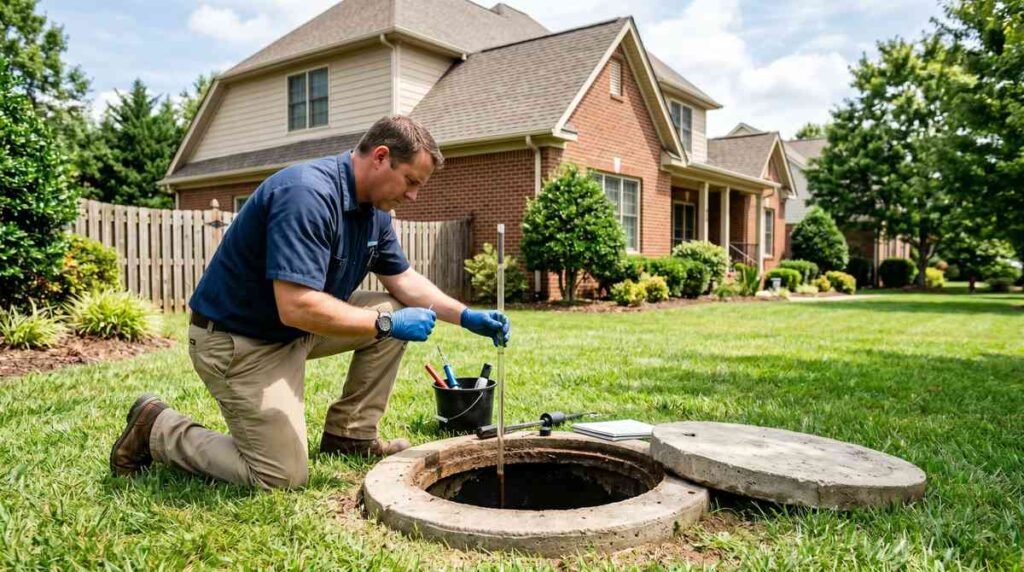
Technicians inspect visible components for signs of damage, leaks, and deterioration.
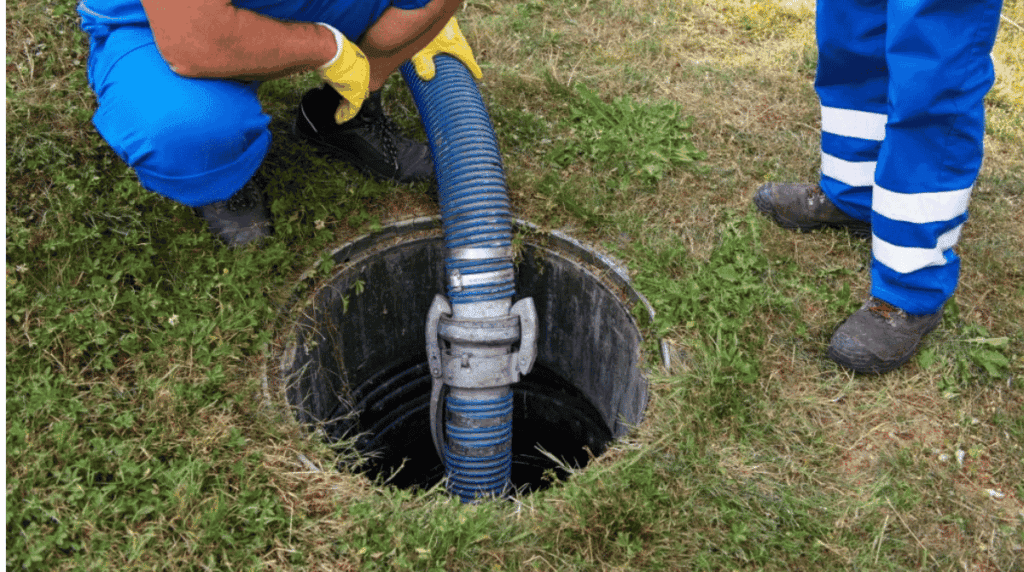
Tank Examination
The tank is opened and evaluated for:
- Structural integrity
- Sludge levels
- Scum accumulation
- Baffle condition
Flow Testing
Water flow is tested to ensure proper movement throughout the system.
Drain Field Evaluation
Professionals inspect the drain field for signs of saturation, ponding, or poor absorption.
System Mapping
In some cases, inspectors identify and map underground components to improve future maintenance planning.
Advanced Septic Diagnostics
Modern diagnostic tools allow professionals to identify issues more accurately than ever before.
Camera Inspections
Specialized cameras can be inserted into pipes to locate:
- Cracks
- Blockages
- Root intrusion
- Pipe collapse
Hydraulic Load Testing
This process evaluates the drain field’s ability to handle wastewater volume.
Soil Evaluation
Soil conditions play a major role in system performance.
Testing can reveal issues related to:
- Drainage
- Compaction
- Absorption rates
Leak Detection
Advanced equipment helps identify hidden leaks that may otherwise go unnoticed.
Why Charlotte Homeowners Need Regular Inspections
Charlotte’s growing population and diverse property types make routine inspections especially important.
Several regional factors can impact septic system performance:
Seasonal Rainfall
Heavy rainfall can saturate soil and reduce drain field efficiency.
Expanding Development
Construction and landscaping changes may affect system performance over time.
Aging Infrastructure
Many older homes in the Charlotte area rely on systems that may require increased monitoring and maintenance.
Soil Conditions
Different soil types throughout the region can influence wastewater absorption and drainage effectiveness.
How Often Should Septic Systems Be Inspected?
Inspection frequency depends on several factors, including household size, system age, and usage levels.
General recommendations include:
- Every 1–3 years for routine maintenance
- Before purchasing a property
- Before selling a property
- After major plumbing issues
- Following significant landscaping projects
Routine evaluations help identify small concerns before they become expensive repairs.
Benefits of Professional Septic Diagnostics
Early Problem Detection
Finding issues early can significantly reduce repair costs.
Improved System Performance
Routine evaluations help maintain optimal efficiency.
Longer Lifespan
Regular maintenance and timely repairs can extend system longevity.
Environmental Protection
Properly functioning systems help prevent groundwater contamination.
Increased Property Value
A documented maintenance history can improve buyer confidence and support resale value.
Tips for Maintaining Your Septic System
Homeowners can reduce the risk of system problems by following simple maintenance practices.
Schedule Regular Pumping
Most systems should be pumped every three to five years.
Conserve Water
Reducing water usage helps prevent system overload.
Avoid Flushing Harmful Materials
Never flush:
- Wipes
- Grease
- Paper towels
- Chemicals
- Feminine hygiene products
Protect the Drain Field
Keep vehicles and heavy equipment away from the drain field area.
Monitor Landscaping
Avoid planting large trees too close to septic components.
Choosing a Septic Inspection Company in Charlotte
When selecting a provider, consider:
Experience
Choose professionals with extensive experience evaluating residential systems.
Licensing and Certifications
Verify appropriate qualifications and compliance with local regulations.
Modern Equipment
Advanced diagnostic tools often provide more accurate assessments.
Detailed Reporting
Comprehensive reports help homeowners understand system condition and recommended actions.
Local Knowledge
Professionals familiar with Charlotte-area soil conditions and regulations can provide valuable insights.
Conclusion
A septic system is one of the most important yet overlooked components of a home. Regular inspections and advanced diagnostics help identify hidden issues, prevent costly failures, and ensure long-term system performance. Whether you’re purchasing a property, maintaining your current home, or preparing to sell, professional evaluations provide the information needed to make informed decisions and protect your investment. For trusted expertise and comprehensive septic services in the Charlotte area, Pro Site & Septic offers the knowledge and experience homeowners can rely on.
Frequently Asked Questions
1. How often should a septic inspection be performed?
Most experts recommend inspections every one to three years, depending on system age, household size, and usage.
2. What does a septic inspection include?
Inspections typically involve tank evaluation, sludge measurement, flow testing, drain field assessment, and component inspections.
3. Is a septic inspection required when buying a home?
While requirements vary, a septic inspection is highly recommended to identify potential issues before purchasing a property.
4. What are common signs of septic system failure?
Slow drains, sewage odors, standing water, lush grass near the drain field, and wastewater backups are common warning signs.
5. Can septic diagnostics detect hidden problems?
Yes. Advanced tools such as camera inspections, leak detection equipment, and hydraulic testing can uncover issues that are not visible during a standard inspection.