
Selling a home involves much more than cleaning, staging, and setting the right price. For homeowners with a septic system, one of the most important steps before listing is ensuring the system is functioning properly. Septic issues discovered during a home sale can delay closing, reduce buyer confidence, trigger costly negotiations, or even cause a deal to fall apart entirely.
Many buyers today are aware of the importance of a healthy septic system and often request inspections before finalizing a purchase. Unfortunately, problems that have gone unnoticed for years can surface during this process. The good news is that most common septic issues can be identified and addressed before a property goes on the market.
This guide explores the most common septic problems found during home sales and provides practical solutions homeowners can implement to improve their chances of a smooth, successful transaction.
Why Septic Systems Matter During a Home Sale
Unlike municipal sewer systems, septic systems are privately owned and maintained by homeowners. Buyers understand that repairing or replacing a septic system can be expensive, making the condition of the system a significant factor in purchasing decisions.
A properly functioning septic system offers several benefits during a sale:
- Increased buyer confidence
- Reduced risk of negotiation disputes
- Faster closing process
- Better property value perception
- Compliance with local regulations and lender requirements
By proactively addressing septic concerns, sellers can eliminate surprises and position their property more competitively.
Common Septic Problems Found During Home Inspections
1. Full or Overdue Septic Tank
One of the most common issues discovered during home sales is an overloaded septic tank that hasn’t been pumped regularly.
Warning Signs
- Slow-draining sinks and tubs
- Frequent toilet backups
- Gurgling sounds in plumbing
- Sewage odors around the property
- Standing water near the drain field
Why It Raises Concerns
A full tank may indicate poor maintenance practices. Buyers and inspectors often view neglected maintenance as a warning sign that larger issues may exist.
How to Fix It
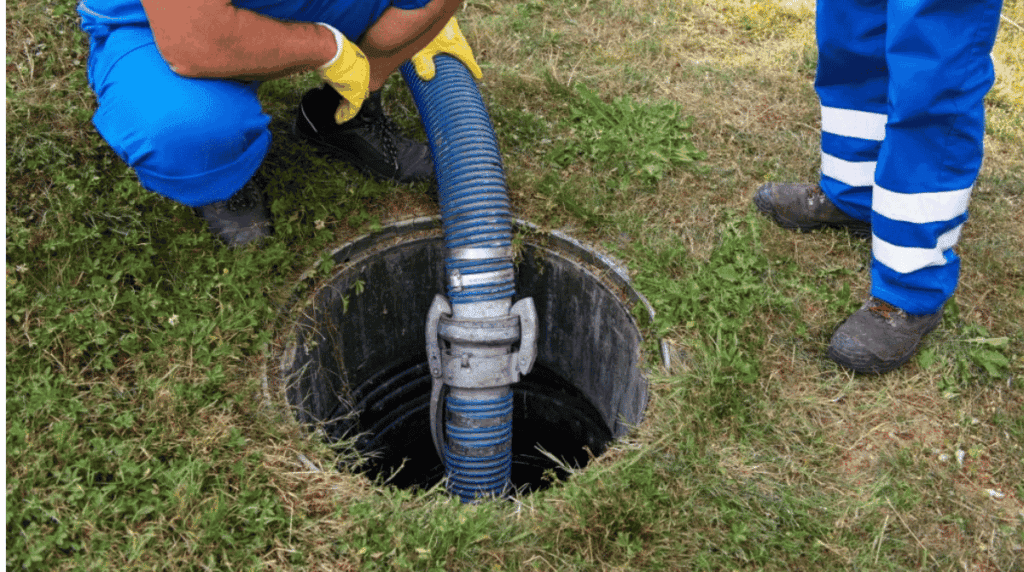
Schedule professional septic pumping before listing the property. Retain service records to demonstrate responsible ownership and maintenance. Providing documentation can reassure potential buyers and simplify negotiations.
2. Drain Field Failure
The drain field is responsible for filtering wastewater back into the soil. When it fails, wastewater cannot disperse properly, creating health and environmental hazards.
Common Symptoms
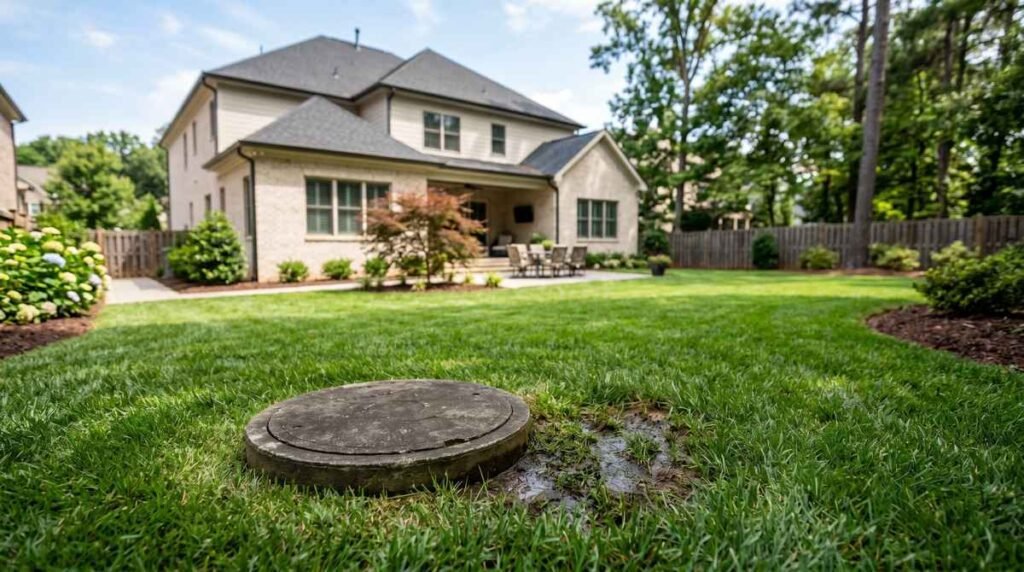
- Wet or soggy patches in the yard
- Persistent foul odors
- Lush, unusually green grass over the drain field
- Sewage backing up into the home
Causes
- Excessive water use
- Soil compaction
- Tree root intrusion
- Poor maintenance
- Aging system components
How to Fix It
The appropriate solution depends on the severity of the damage.
Possible repairs include:
- Resting portions of the drain field
- Improving drainage around the area
- Repairing damaged distribution lines
- Replacing sections of the drain field
Addressing drain field concerns before listing prevents buyers from facing potentially significant future expenses.
3. Tree Root Intrusion
Trees and shrubs naturally seek moisture, making septic pipes and drain fields attractive targets. Roots can infiltrate pipes, block wastewater flow, and damage critical components.
Signs of Root Problems
- Slow drains throughout the home
- Frequent backups
- Wet areas in the yard
- Reduced system efficiency
Why Buyers Notice
Inspectors often identify root intrusion during septic evaluations. Buyers may be hesitant if they anticipate recurring maintenance issues.
How to Fix It
Professional septic contractors can:
- Remove invasive roots
- Repair damaged pipes
- Install root barriers
- Recommend landscaping changes
Removing problematic vegetation before listing can help prevent future complications.
4. Damaged or Collapsed Septic Pipes
Septic pipes can deteriorate over time due to age, soil movement, corrosion, or root intrusion.
Common Warning Signs
- Frequent sewage backups
- Slow drainage
- Unpleasant odors
- Wet areas above underground lines
Inspection Concerns
Damaged pipes often indicate deferred maintenance and may require excavation to repair.
How to Fix It
A professional inspection can identify damaged sections. Depending on the severity, contractors may:
- Repair isolated pipe sections
- Replace deteriorated piping
- Upgrade older materials with modern alternatives
Completing these repairs before listing demonstrates responsible property care.
5. Missing Septic Maintenance Records
While not a physical defect, missing maintenance records can create significant concerns during a home sale.
Why It Matters
Buyers often want proof that the septic system has been properly maintained. Without records, they may assume maintenance has been neglected.
How to Fix It
Gather available documentation, including:
- Pumping receipts
- Inspection reports
- Repair invoices
- Installation records
- Maintenance schedules
If records are unavailable, consider scheduling a professional inspection and pumping before listing to provide updated documentation.
6. Septic Tank Structural Damage
Septic tanks can develop cracks, leaks, or structural weaknesses over time.
Common Causes
- Aging materials
- Ground movement
- Heavy vehicle traffic
- Freeze-thaw cycles
- Improper installation
Warning Signs
- Unusual odors
- Wet soil around the tank
- Rapid tank filling
- Sinkholes or depressions
How to Fix It
Professional contractors can evaluate the extent of damage and recommend:
- Crack repairs
- Structural reinforcement
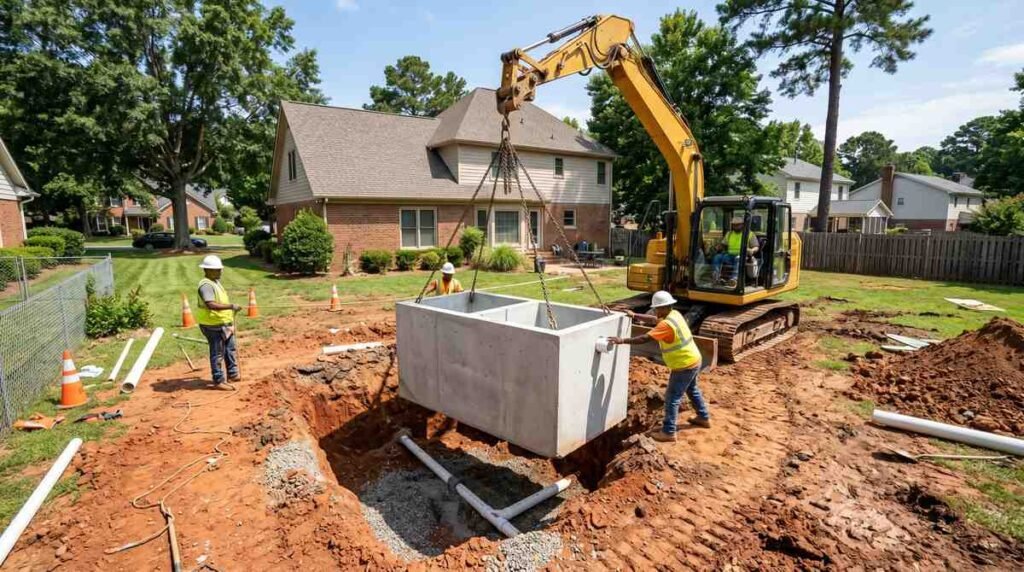
- Tank replacement when necessary
Addressing structural concerns before listing helps avoid major negotiation obstacles.
7. Improper System Size for the Home
In some cases, additions or renovations increase household capacity without corresponding septic system upgrades.
Examples
- Added bedrooms
- Finished basements
- Home expansions
- Converted living spaces
Why This Creates Problems
Local regulations often require septic systems to be sized according to the number of bedrooms or occupants the home can support.
How to Fix It
Consult a septic professional to determine whether the system complies with local requirements. If necessary, upgrade system capacity before selling.
8. Distribution Box Problems
The distribution box directs wastewater evenly throughout the drain field. When it becomes damaged or clogged, wastewater may flow unevenly.
Symptoms
- Localized drain field saturation
- Sewage odors
- Standing water
- Reduced system performance
Inspection Concerns
Uneven wastewater distribution can accelerate drain field failure.
How to Fix It
A septic professional can:
- Clean the distribution box
- Re-level the component
- Repair damaged connections
- Replace deteriorated parts
These repairs are often less expensive than major drain field restoration.
9. Excessive Water Usage Damage
Years of excessive water use can overwhelm septic systems and contribute to premature wear.
Common Sources
- Leaking toilets
- Dripping faucets
- Inefficient appliances
- High household occupancy
Why Buyers Care
Evidence of excessive water loading may suggest shortened system life expectancy.
How to Fix It
Before listing:
- Repair leaks
- Install water-efficient fixtures
- Inspect plumbing systems
- Educate household members on water conservation
Reducing system stress can improve inspection outcomes.
10. Unauthorized Repairs or Modifications
Homeowners sometimes perform DIY septic repairs without permits or professional guidance.
Potential Issues
- Code violations
- Improper installations
- Safety concerns
- Regulatory non-compliance
Why It Matters During a Sale
Inspectors and buyers often request documentation for major repairs or alterations.
How to Fix It
Hire a licensed septic professional to inspect previous work and ensure compliance with local regulations. Correcting deficiencies before listing helps prevent transaction delays.
The Benefits of Scheduling a Pre-Listing Septic Inspection
One of the smartest investments a homeowner can make before selling is a professional septic inspection.
Advantages Include
Early Problem Detection
Identifying issues before buyers discover them provides time to make repairs on your own schedule.
Better Negotiation Position
Sellers who provide recent inspection reports often face fewer buyer objections.
Faster Transactions
Pre-inspected systems reduce uncertainty and streamline the closing process.
Increased Buyer Confidence
Transparency helps establish trust and demonstrates responsible homeownership.
Septic Maintenance Tips Before Putting Your Home on the Market
A few simple maintenance steps can significantly improve your septic system’s condition and presentation.
Pump the Tank
If pumping is due soon, complete it before listing the property.
Repair Plumbing Leaks
Reduce unnecessary water entering the system.
Protect the Drain Field
Avoid parking vehicles or placing heavy structures over the drain field area.
Remove Problematic Vegetation
Address tree roots and invasive landscaping near septic components.
Gather Documentation
Organize maintenance and repair records for prospective buyers.
Schedule an Inspection
A current inspection report provides valuable information and reassurance.
How Septic Problems Affect Home Value
Septic issues can directly influence a property’s marketability and final sale price.
Potential consequences include:
- Lower offers
- Buyer repair requests
- Escrow holdbacks
- Delayed closings
- Financing challenges
- Lost buyer interest
Conversely, a well-maintained septic system can become a selling point, especially in areas where many homes rely on private wastewater treatment systems.
Questions Buyers Often Ask About Septic Systems
Homeowners preparing to sell should be ready to answer common questions, such as:
- When was the system last pumped?
- Has the system ever failed?
- Are maintenance records available?
- Have any repairs been completed recently?
- How old is the system?
- Have there been any backups or drainage issues?
Providing clear, honest answers supported by documentation can strengthen buyer confidence.
When Should Repairs Be Completed?
Ideally, septic repairs should be addressed before the property is listed. Waiting until after an offer is received often results in:
- Reduced negotiating power
- Time pressure
- Potential closing delays
- Emergency repair costs
Early action allows homeowners to obtain multiple repair estimates and complete work under less stressful conditions.
Final Thoughts
A septic system may be hidden underground, but its condition can have a major impact on a home’s sale. Common problems such as overdue pumping, drain field issues, root intrusion, damaged pipes, structural tank defects, and missing maintenance records are frequently uncovered during real estate transactions.
Fortunately, most of these issues can be identified and resolved before listing. Scheduling a professional septic inspection, completing necessary maintenance, and gathering documentation are proactive steps that help reduce buyer concerns and support a smoother sale.
By addressing septic problems before putting a property on the market, homeowners can avoid unexpected surprises, protect their home’s value, and create a more positive experience for both buyers and sellers.