Installing a septic system is a major investment that directly impacts your property’s functionality, safety, and long-term value. While it may seem straightforward, the process involves careful planning, precise execution, and compliance with local regulations. Unfortunately, many homeowners make critical errors during septic installation that lead to costly repairs and system failures.
Understanding these common pitfalls can help you make informed decisions and ensure your system performs efficiently for years.
Why Proper Septic Installation Matters
A septic system is responsible for managing wastewater safely and effectively. When installed correctly, it protects groundwater, prevents contamination, and ensures smooth waste disposal.
Improper installation, on the other hand, can lead to backups, foul odors, environmental hazards, and expensive repairs. That’s why it’s essential to approach the process with careful attention to detail.
Mistake #1: Skipping a Professional Site Evaluation
One of the most common mistakes is failing to conduct a thorough site evaluation before installation.
A proper assessment includes soil testing, drainage analysis, and determining the water table level. Without this information, the system may be installed in unsuitable conditions, leading to poor performance and premature failure.
Professional evaluations ensure the system is designed to match your property’s unique characteristics.
Mistake #2: Choosing the Wrong System Size
Selecting the correct system size is crucial for efficient operation.
An undersized system can become overwhelmed, causing backups and frequent maintenance issues. An oversized system, while less common, can also lead to inefficiencies.
The size should be based on factors such as household size, water usage, and property layout.
Mistake #3: Ignoring Local Regulations
Every region has specific codes and regulations governing septic installation.
Failing to comply with these requirements can result in fines, legal issues, and even the need to redo the entire system.
Permits, inspections, and adherence to guidelines are essential for a successful installation.
Mistake #4: Poor Placement of the System
Location plays a critical role in the effectiveness of a septic system.
Installing the system too close to water sources, buildings, or property lines can create safety and environmental risks.
Proper placement ensures optimal drainage and prevents contamination of nearby areas.
Mistake #5: Using Low-Quality Materials
Cutting costs by using inferior materials can lead to long-term problems.
High-quality tanks, pipes, and components are essential for durability and performance. Investing in reliable materials reduces the risk of leaks and system failure.
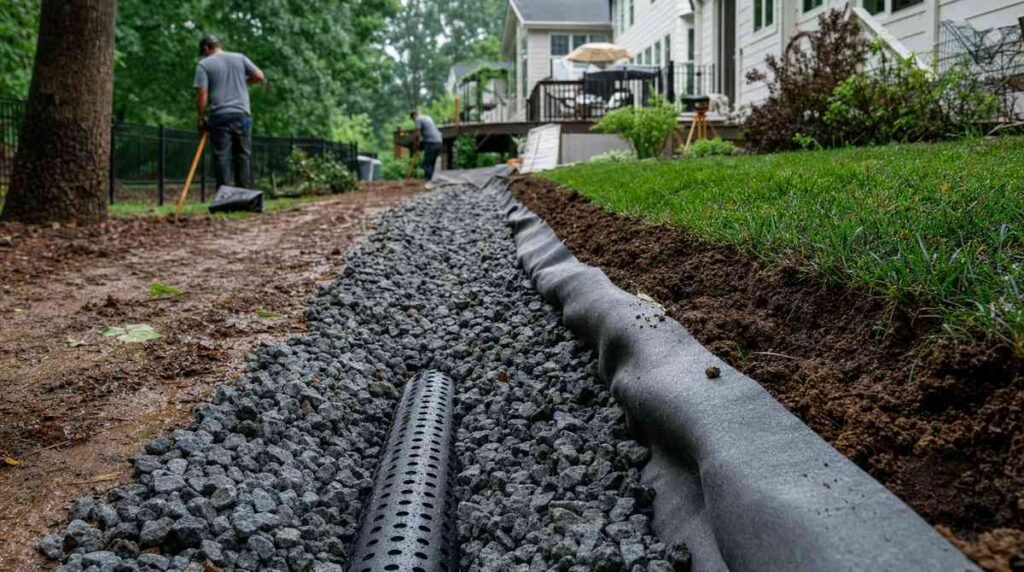
Mistake #6: Improper Drain Field Installation
The drain field is a vital part of the septic system.
If it’s not installed correctly, wastewater may not be properly filtered, leading to soil contamination and system inefficiency.
Ensuring proper spacing, depth, and soil compatibility is key to a functional drain field.
Mistake #7: Overlooking Future Maintenance Needs
Many homeowners focus solely on installation and forget about maintenance.
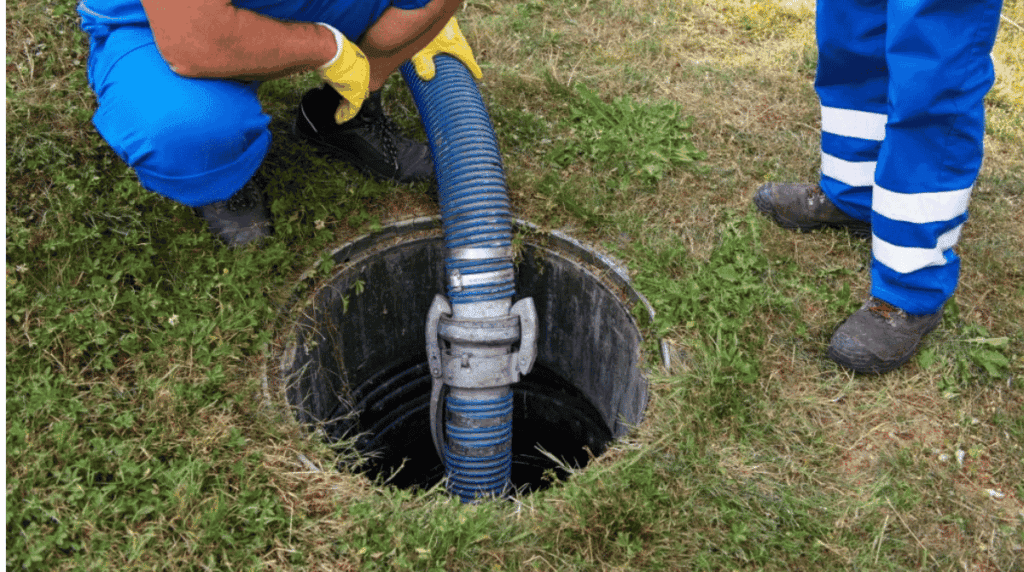
A septic system requires regular inspections, pumping, and care to function properly. Neglecting maintenance can shorten the system’s lifespan and lead to costly repairs.
Planning for easy access and routine servicing is essential.
Mistake #8: Attempting DIY Installation
While DIY projects can save money, septic installation is not one of them.
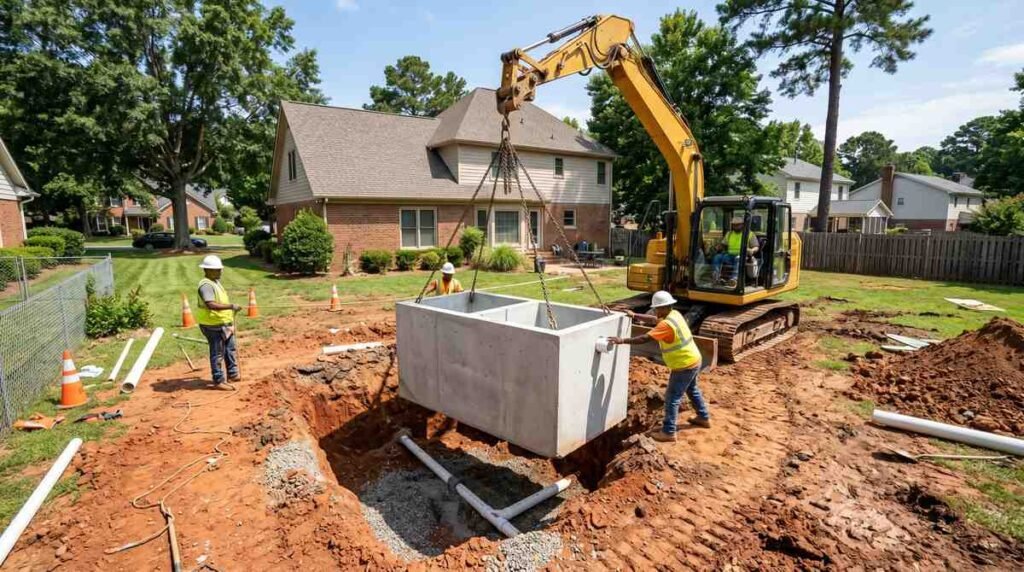
The process involves technical knowledge, specialized equipment, and compliance with regulations. Mistakes can lead to serious health and environmental risks.
Hiring professionals ensures the job is done correctly and safely.
Mistake #9: Poor Water Management Planning
Excessive water usage can overwhelm a septic system.
Failing to plan for water conservation can lead to system overload and reduced efficiency.
Installing water-saving fixtures and managing usage helps maintain system performance.
Mistake #10: Not Considering Soil Type
Soil type significantly affects how well a septic system functions.
Clay soils may not drain properly, while sandy soils may allow wastewater to pass too quickly without adequate filtration.
Understanding soil composition is essential for selecting the right system design.
Benefits of Avoiding These Mistakes
Taking the right approach to septic installation offers numerous advantages:
- Long-lasting system performance
- Reduced maintenance costs
- Improved environmental safety
- Efficient wastewater management
- Increased property value
Avoiding common mistakes ensures your investment pays off in the long run.
Tips for a Successful Septic Installation
To ensure a smooth process, follow these best practices:
- Hire experienced professionals
- Conduct thorough site evaluations
- Use high-quality materials
- Follow local regulations
- Plan for maintenance and accessibility
These steps help create a reliable and efficient system.
Signs of a Poorly Installed Septic System
Recognizing early warning signs can help you address issues before they worsen.
- Slow drains and frequent backups
- Unpleasant odors around the property
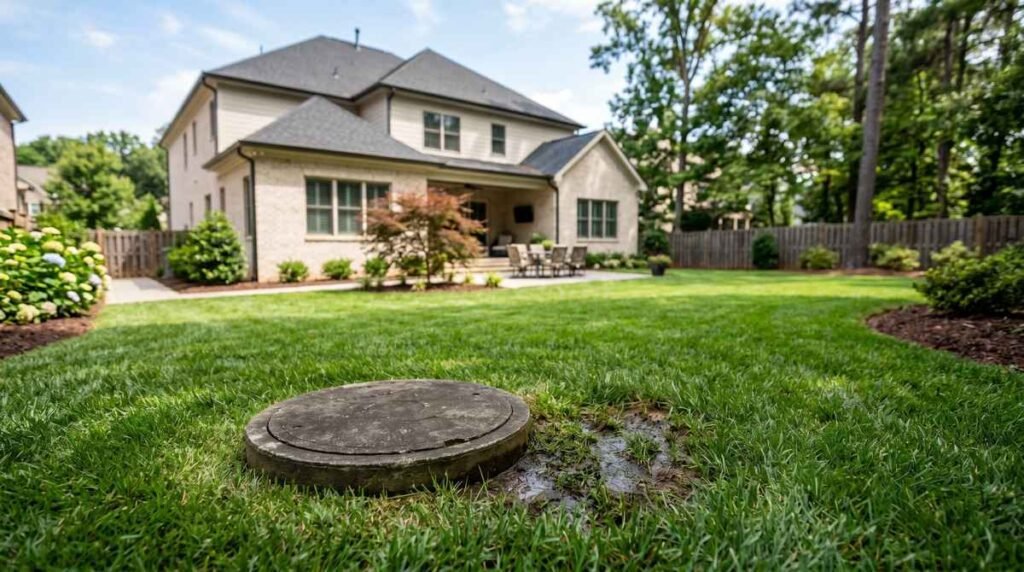
- Standing water near the drain field
- Lush, uneven grass growth
- Contaminated well water
If you notice any of these signs, it’s important to seek professional assistance immediately.
Long-Term Maintenance Tips
Proper care extends the life of your septic system.
- Schedule regular pumping
- Avoid flushing non-biodegradable items
- Use septic-safe products
- Monitor water usage
- Inspect the system periodically
Consistent maintenance ensures optimal performance and prevents costly repairs.
Environmental Impact of Proper Installation
A well-installed septic system protects the environment by preventing contamination of soil and water sources.
It also supports sustainable waste management and reduces the risk of pollution.
Responsible installation and maintenance benefit both your property and the surrounding ecosystem.
Frequently Asked Questions (FAQs)
1. How long does a septic system last?
A properly installed and maintained system can last 20 to 40 years.
2. What is the most important step in septic installation?
A thorough site evaluation is critical to ensure the system is suitable for your property.
3. Can I install a septic system myself?
It’s not recommended due to the complexity and regulatory requirements involved.
4. How often should a septic system be inspected?
Inspections should be done every 1 to 3 years, depending on usage.
5. What causes septic system failure?
Common causes include poor installation, lack of maintenance, and excessive water usage.
Conclusion
Septic installation is a complex process that requires careful planning, expert knowledge, and attention to detail. Avoiding common mistakes such as poor site evaluation, incorrect sizing, and improper placement can save you from costly repairs and long-term issues. By investing in professional services and prioritizing quality, you can ensure a reliable and efficient system that serves your property for decades.
For dependable and expert septic solutions, ProSite and Septic provides professional installation services designed to deliver long-lasting performance and peace of mind.