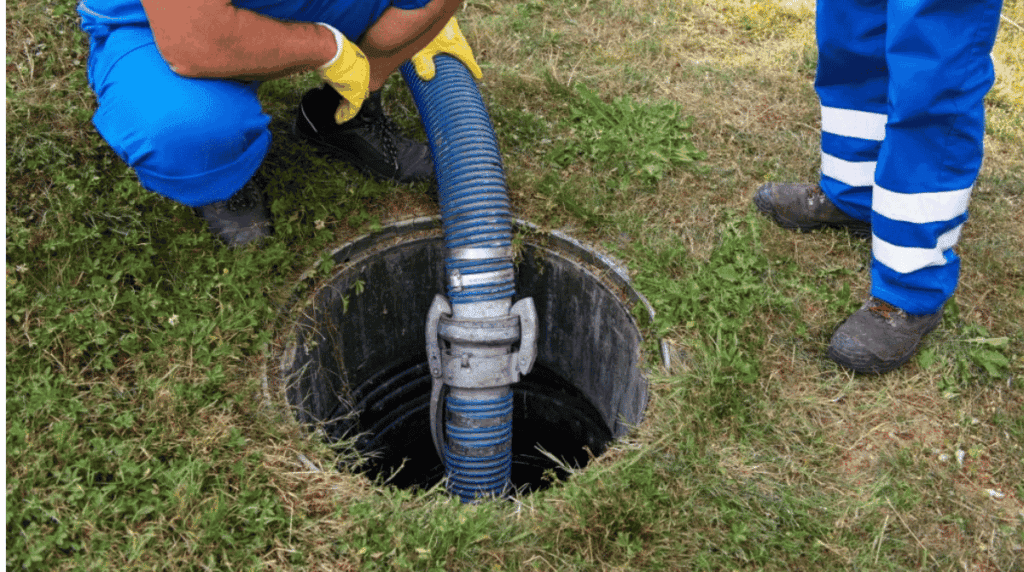

A properly functioning septic system is essential for maintaining a clean, safe, and healthy environment. However, over time, solid waste accumulates inside your tank, leading to slow drainage, foul odors, and even hazardous backups. This is where septic pump-out services play a critical role.
Regular maintenance not only prevents costly repairs but also ensures your system operates efficiently for years. In this guide, we’ll explain everything you need to know about septic tank cleaning, warning signs, benefits, and how professional services can solve your problems quickly.
What Are Septic Pump-Out Services?
Septic pump-out services involve removing accumulated sludge, scum, and wastewater from your septic tank. Over time, waste builds up and reduces the tank’s capacity, making it less effective.
A professional technician uses specialized vacuum equipment to extract waste safely and dispose of it according to environmental regulations. This process restores your system’s functionality and prevents overflow issues.
Why Regular Septic Pumping Is Important
Ignoring septic maintenance can lead to serious problems. Here’s why routine pump-outs are essential:
1. Prevents System Backups
When your tank is full, wastewater has nowhere to go. This can result in sewage backing up into your home—a costly and unpleasant situation.
2. Eliminates Foul Odors
A full septic tank often produces strong, unpleasant smells around your property. Pumping removes the source of these odors.
3. Extends System Lifespan
Regular cleaning reduces strain on your system, helping it last longer and avoiding expensive replacements.
4. Protects the Environment
Overflowing tanks can contaminate soil and groundwater. Proper maintenance keeps your surroundings safe.
5. Saves Money
Routine service is far more affordable than emergency repairs or system replacement.
Signs Your Septic Tank Needs Pumping
Not sure when to schedule a pump-out? Watch for these warning signs:
- Slow-draining sinks and toilets
- Gurgling sounds in plumbing
- Standing water near the drain field
- Strong sewage odors indoors or outdoors
- Sewage backups in drains
If you notice any of these issues, it’s time to act quickly before the problem worsens.
How Often Should You Pump Your Septic Tank?
The frequency of septic pumping depends on several factors:
- Household size
- Tank capacity
- Water usage habits
- Type of waste entering the system
In general, most homes require septic tank cleaning every 3 to 5 years. However, larger households or heavy usage may require more frequent service.
The Septic Pump-Out Process
Understanding the process can help you feel confident when hiring professionals:
Step 1: Inspection
Technicians locate the tank and inspect its condition.
Step 2: Opening the Tank
The lid is carefully removed to access the interior.
Step 3: Waste Removal
A vacuum truck removes sludge, scum, and liquid waste.
Step 4: System Check
Professionals check for damage, leaks, or potential issues.
Step 5: Safe Disposal
Waste is transported and disposed of following regulations.
This thorough process ensures your system is clean, safe, and fully operational.
Benefits of Hiring Professional Pump-Out Services
While some homeowners may consider DIY solutions, professional services offer unmatched advantages:
- Expert Knowledge: Technicians understand septic systems thoroughly
- Proper Equipment: Industrial tools ensure efficient cleaning
- Safety Assurance: Avoid exposure to harmful bacteria and gases
- Compliance: Proper waste disposal meets environmental standards
- Time Efficiency: Quick and hassle-free service
Choosing professionals ensures the job is done right the first time.
Tips to Maintain Your Septic System
To reduce the frequency of pump-outs and keep your system healthy:
- Avoid flushing non-biodegradable items
- Limit grease and oil disposal in drains
- Use water efficiently
- Schedule regular inspections
- Avoid heavy vehicles over the drain field
These simple steps can significantly improve system performance.
Common Mistakes to Avoid
Many homeowners unknowingly damage their septic systems. Avoid these common errors:
- Skipping routine maintenance
- Using harsh chemicals excessively
- Ignoring early warning signs
- Overloading the system with water
- Planting trees near the tank
Preventing these mistakes can save you from costly repairs.
When to Call Emergency Septic Services
Sometimes, immediate action is required. Call professionals if you experience:
- Sudden sewage backup
- Flooded drain field
- Strong, persistent odors
- Multiple clogged drains
Quick response can prevent further damage and health risks.
Choosing the Right Septic Service Provider
Selecting a reliable service provider is crucial. Look for:
- Licensed and experienced technicians
- Positive customer reviews
- Transparent pricing
- Modern equipment
- Emergency service availability
A trusted provider ensures quality work and peace of mind.
Conclusion
Maintaining your septic system is not just about convenience—it’s about protecting your home, health, and environment. Regular septic pump-out services help prevent backups, eliminate odors, and extend the life of your system.
If you’re experiencing issues or it’s been a few years since your last service, now is the perfect time to schedule a professional cleaning. Trust experts like Pro Site & Septic to keep your system running smoothly and efficiently for years to come.
FAQs
1. How long does a septic pump-out take?
Typically, the process takes 1 to 2 hours depending on the tank size and condition.
2. What happens if I don’t pump my septic tank?
Neglecting maintenance can lead to backups, system failure, and costly repairs.
3. Can I use additives instead of pumping?
Additives do not replace pumping. Regular cleaning is still necessary.
4. Is septic pumping messy or disruptive?
Professional services are clean, efficient, and minimally disruptive.
5. How much does septic pump-out service cost?
Costs vary based on tank size, location, and service requirements, but routine maintenance is affordable compared to repairs.