
A properly functioning septic system is one of the most important components of any property that is not connected to a municipal sewer line. It quietly manages wastewater from your home, ensuring safe and efficient disposal underground. However, like any essential system, septic components can wear out, become damaged, or fail over time. When problems occur, prompt septic system repair is critical to preventing costly property damage, health hazards, and environmental concerns.
Many homeowners are unaware of the early warning signs of septic issues until a major problem develops. Slow drains, foul odors, soggy lawns, and sewage backups often indicate that the system requires immediate attention. Understanding the causes of septic failures and knowing when to seek professional assistance can help protect your investment and avoid expensive replacements.
In this guide, we’ll explore common septic problems, repair options, warning signs, maintenance strategies, and the importance of professional service.
What Is a Septic System?
A septic system is an underground wastewater treatment structure commonly used in rural and suburban areas where public sewer systems are unavailable.
The system typically consists of:
- Septic tank
- Distribution box
- Drain field
- Connecting pipes
- Soil absorption area
Wastewater from sinks, toilets, showers, and appliances flows into the tank, where solids settle and liquids move into the drain field for natural filtration.
When any component malfunctions, repairs may be necessary to restore proper operation.
Why Septic System Repair Matters
Ignoring septic issues can lead to significant consequences.
Prompt repairs help:
- Prevent sewage backups
- Protect groundwater quality
- Avoid expensive replacements
- Extend system lifespan
- Maintain property value
- Reduce health risks
- Prevent environmental contamination
Addressing minor problems early often costs far less than dealing with a complete system failure.
Common Signs Your Septic System Needs Repair
Recognizing early warning signs can help homeowners act before a situation becomes severe.
Slow Drains Throughout the Home
If multiple sinks, tubs, and toilets are draining slowly, the issue may be related to the septic system rather than a simple plumbing clog.
Persistent drainage problems often indicate restricted flow or a full tank.
Unpleasant Odors
Foul smells around your yard, near drains, or around the tank area can signal system problems.
Wastewater odors should never be ignored because they often indicate leaks, blockages, or ventilation issues.
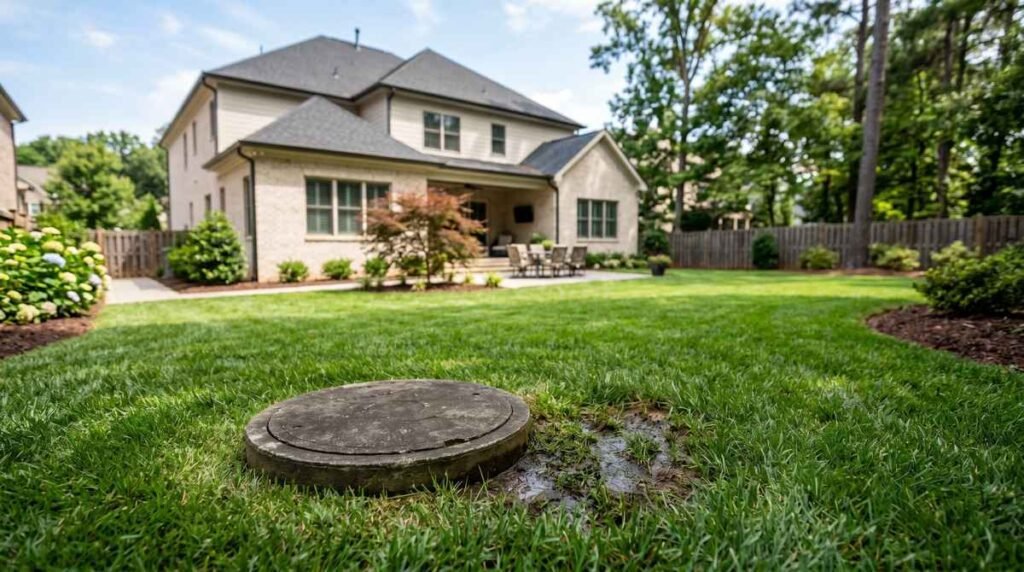
Standing Water in the Yard
Puddles or wet spots near the drain field can indicate that wastewater is not being absorbed properly.
Excess moisture may suggest:
- Drain field failure
- Pipe damage
- Soil saturation
- Distribution problems
Sewage Backups
One of the most serious warning signs is wastewater backing up into sinks, showers, or toilets.
This issue requires immediate professional attention to prevent health hazards and property damage.
Lush Green Grass Near the Drain Field
While healthy grass is generally positive, unusually green or rapidly growing vegetation around the drain field may indicate leaking wastewater.
The nutrients contained in wastewater can stimulate excessive plant growth.
Common Causes of Septic System Problems
Several factors can contribute to septic system damage and malfunction.
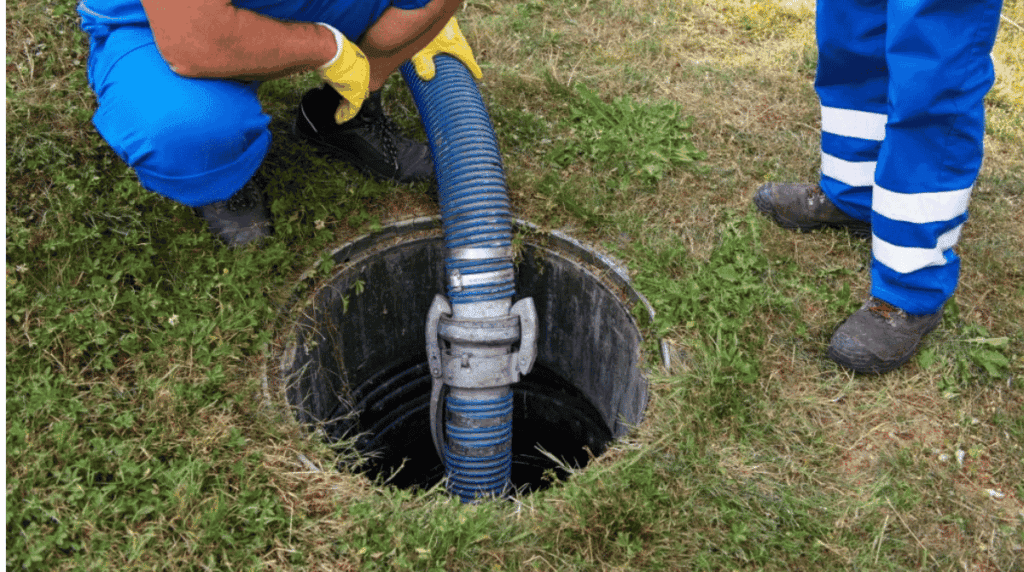
Lack of Regular Pumping
Over time, solid waste accumulates in the tank.
Without routine pumping, excess sludge can enter the drain field and cause serious damage.
Most systems require pumping every three to five years, depending on usage and household size.
Tree Root Intrusion
Tree roots naturally seek moisture and may infiltrate underground pipes.
Roots can:
- Block wastewater flow
- Crack pipes
- Damage tanks
- Interfere with drain field performance
Excessive Water Usage
Large amounts of water entering the system can overwhelm its ability to process wastewater.
Common sources include:
- Leaking fixtures
- Running toilets
- Frequent laundry loads
- Excessive irrigation
Managing water usage helps maintain proper system function.
Flushing Improper Materials
Many septic failures result from items that should never enter the system.
Examples include:
- Wipes
- Paper towels
- Grease
- Feminine hygiene products
- Diapers
- Chemicals
These materials can cause blockages and disrupt bacterial activity inside the tank.
Aging Infrastructure
Like any mechanical system, septic components eventually deteriorate.
Older tanks, pipes, and drain fields may require repairs or upgrades as they reach the end of their service life.
Common Septic System Repair Solutions
The appropriate repair depends on the specific problem affecting the system.
Pipe Repair and Replacement
Cracked, collapsed, or blocked pipes can restrict wastewater flow.
Technicians may repair damaged sections or replace piping entirely to restore functionality.
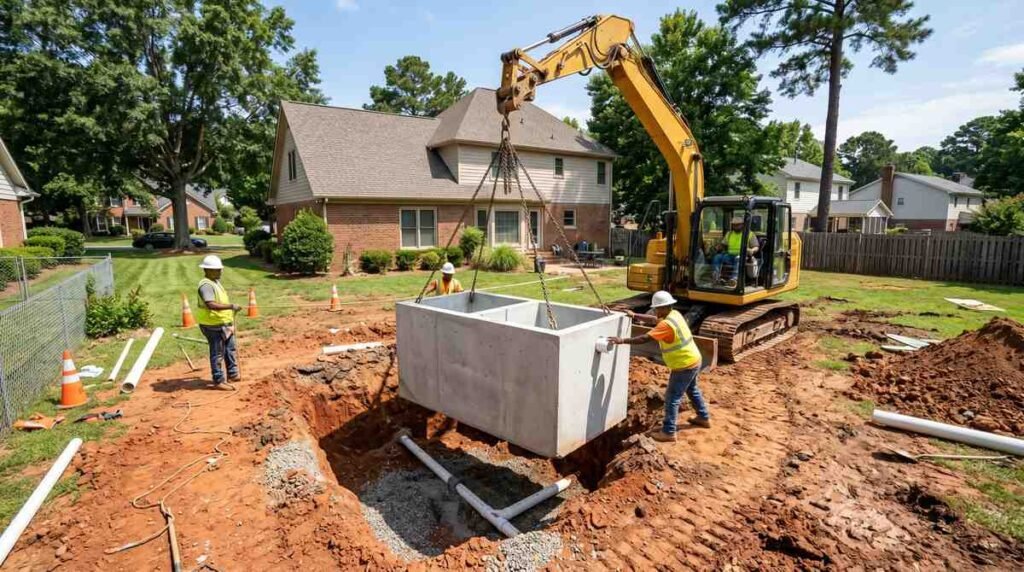
Septic Tank Repair
Tanks may develop:
- Cracks
- Leaks
- Structural damage
- Baffle failures
Professional repairs can often restore tank performance without requiring complete replacement.
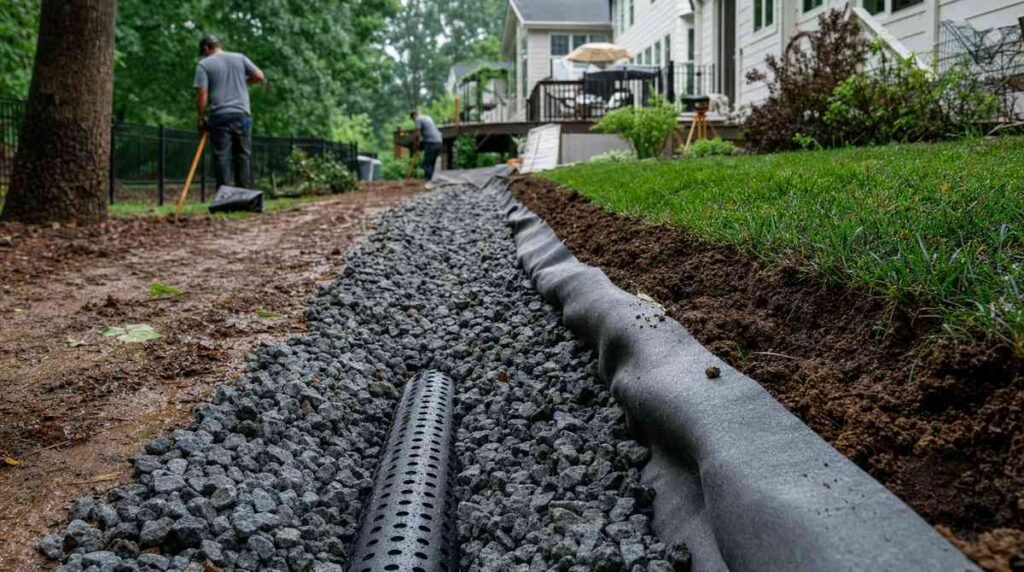
Drain Field Restoration
Drain field issues are among the most challenging septic problems.
Possible solutions include:
- Soil treatment
- Aeration
- Drain field expansion
- Distribution adjustments
Early intervention may help avoid full drain field replacement.
Distribution Box Repair
The distribution box directs wastewater evenly into the drain field.
When it becomes damaged or misaligned, wastewater may not be distributed properly.
Repairs can improve system efficiency and prevent localized failure.
Root Removal
Specialized equipment can remove invasive roots and restore normal wastewater flow.
Preventive measures may also be implemented to reduce future root intrusion.
The Importance of Professional Septic Inspections
Routine inspections play a key role in identifying problems before they become expensive emergencies.
A professional inspection may include:
- Tank evaluation
- Sludge level measurement
- Pipe assessment
- Drain field analysis
- Leak detection
- Component testing
Regular inspections can significantly extend system lifespan while reducing unexpected repair costs.
How Much Does Septic System Repair Cost?
Repair costs vary depending on the type and severity of the problem.
Factors affecting pricing include:
- System size
- Accessibility
- Extent of damage
- Repair method
- Labor requirements
- Local regulations
Minor repairs may involve relatively low costs, while major drain field issues can require more substantial investment.
Obtaining prompt service often helps minimize expenses by preventing additional damage.
Preventing Future Septic Problems
Proper maintenance remains the most effective way to avoid costly repairs.
Schedule Routine Pumping
Regular pumping removes accumulated solids and prevents sludge buildup.
Conserve Water
Reducing unnecessary water use decreases stress on the system.
Avoid Harmful Materials
Only human waste and septic-safe toilet paper should be flushed.
Protect the Drain Field
Keep vehicles, heavy equipment, and structures away from the drain field area.
Excess weight can compact soil and damage underground components.
Monitor Landscaping
Avoid planting large trees too close to septic components.
Root systems can create significant long-term problems.
Benefits of Timely Septic Repairs
Addressing issues quickly provides several important advantages.
Longer System Lifespan
Prompt repairs help preserve critical components and extend operational life.
Improved Property Value
A properly functioning wastewater system contributes to property marketability and value.
Reduced Health Risks
Repairing leaks and backups helps protect residents from exposure to harmful bacteria and contaminants.
Lower Long-Term Costs
Small repairs are typically far less expensive than complete system replacements.
Environmental Protection
Well-maintained systems help prevent groundwater contamination and environmental damage.
When Should You Call a Professional?
Contact a septic specialist immediately if you notice:
- Persistent drainage issues
- Sewage odors
- Standing water
- Frequent backups
- Gurgling plumbing fixtures
- Drain field flooding
Early diagnosis can often prevent extensive repairs and system failure.
Conclusion
A septic system plays a vital role in managing household wastewater safely and efficiently. When problems arise, timely repairs can prevent costly damage, health concerns, and environmental issues. By recognizing warning signs, scheduling regular inspections, and following proper maintenance practices, homeowners can maximize system performance and longevity. Whether addressing a minor issue or a more complex repair, working with experienced professionals ensures reliable solutions and long-term peace of mind. For expert service and dependable septic solutions, Pro Site & Septic provides the knowledge and expertise needed to keep your system operating at its best.
Frequently Asked Questions
1. What are the signs that a septic system needs repair?
Common signs include slow drains, sewage odors, standing water, unusually green grass near the drain field, and wastewater backups.
2. How often should a septic tank be pumped?
Most residential tanks should be pumped every three to five years, depending on household size and usage.
3. Can tree roots damage a septic system?
Yes. Tree roots can infiltrate pipes, crack components, and block wastewater flow, leading to costly repairs.
4. Is it safe to use septic additives?
Some additives may help maintain bacterial balance, but routine pumping and maintenance remain the most effective methods for system care.
5. How long does a septic system typically last?
With proper maintenance, many systems can last 20 to 40 years or more, depending on design, usage, and environmental conditions.